
Reviewed July 27, 2026
HVAC Rescue Editorial Team
Editorial StandardsWhen you need thermostat replacement
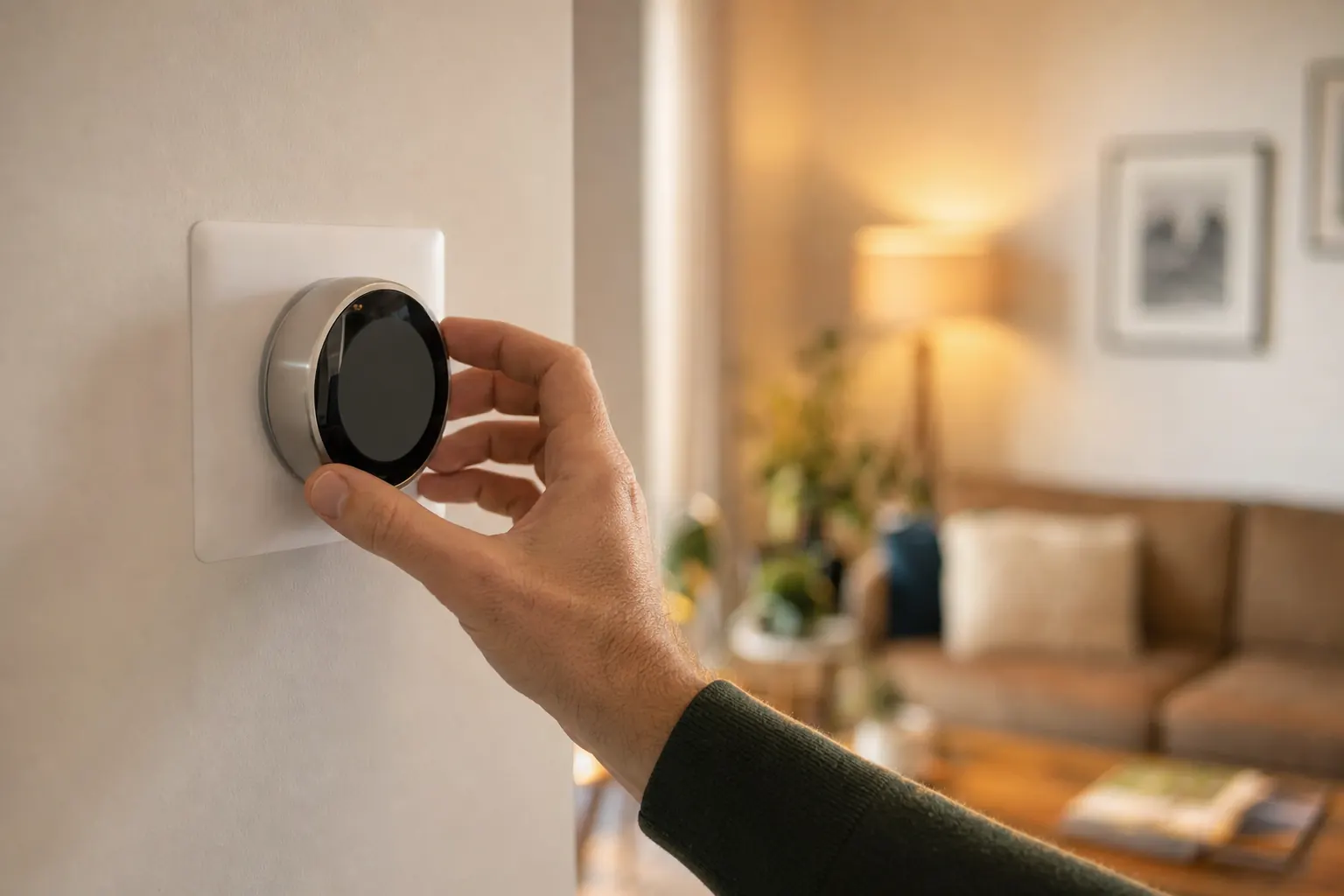
Thermostat replacement is the right starting point when the wall control itself is old, damaged, inaccurate, or no longer dependable. Common clues include a cracked display, buttons that do not respond, temperature readings that stay off from the room, or a thermostat that no longer matches the heating and cooling equipment in the home. It also fits when you want to move from an older manual control to a programmable or smart model for better scheduling and day-to-day control.
This page is about replacing the thermostat, not repairing wiring inside the HVAC equipment and not adding a thermostat where one did not exist before. If the thermostat is clearly the weak link, replacement makes sense. If the heating or cooling equipment still fails even when the thermostat is calling for it, the problem may belong under HVAC repair instead. If the goal is a smart upgrade specifically, the same compatibility questions still matter, especially on heat pumps, multi-stage systems, or homes with accessories.
The decision this service should answer
Decide whether replacing the thermostat solves a proven control need and which compatible model fits the equipment, wiring, placement, zoning, and household priorities.
Thermostat replacement should preserve or intentionally change equipment staging, heat-pump logic, accessories, zones, sensors, and fail-safe behavior while correcting placement or power issues.
Common problems
Start with the symptom you notice
Common causes
- Aging internal parts
- As a thermostat gets older, its internal components can wear out and lose accuracy. That can cause drifting temperature readings, missed schedule changes, or calls for heating and cooling at the wrong time.
- Failed control electronics
- When the thermostat electronics fail beyond a simple battery issue, the screen may stay blank, restart randomly, or stop sending reliable commands to the HVAC system. The equipment may seem inconsistent even though the control on the wall is the real issue.
- Outdated thermostat design
- An older thermostat may still turn the system on and off, but it may not offer the scheduling or smart features a homeowner wants. It may also fall short if newer equipment needs a control that can handle more than a basic single-stage setup.
- Poor system match
- The thermostat has to match the type of heating and cooling equipment it controls. A mismatch can limit system operation, cause incorrect staging, or leave features unused, especially with heat pumps, multi-stage equipment, or added accessories.
- Physical damage
- A cracked screen, loose housing, or broken buttons can make normal control difficult or impossible. Damage can also hide deeper problems with the thermostat body and create unreliable operation that is better solved with replacement than repair.
What you can safely check first
Homeowner checks should stay simple and observational. The goal is to rule out an easy issue, gather useful details about the existing control, and decide whether replacement is likely, without opening equipment or handling low-voltage wiring.
Replace the batteries
If the thermostat uses batteries, install fresh ones first. A weak battery can cause a blank screen, fading display, or erratic behavior, and replacing it may show whether the thermostat itself is failing or just underpowered.
Check the HVAC breaker
Look at the breaker that serves the heating and cooling system and confirm it is on. If it has tripped, reset it once. If power returns and the thermostat wakes up, the issue may have been a simple power interruption. If it trips again, stop there.
Note brand and model
Write down the thermostat brand and model number if it is visible. This helps identify what type of replacement may fit the system and whether the current control is basic, programmable, or part of a more specific equipment setup.
Confirm system type
Check whether the home has heating only, cooling only, or both, and whether there are features such as multiple stages. This does not require opening equipment. It simply helps show whether replacement is likely to be straightforward or needs a closer compatibility review.
When to call a professional
Call for professional help when the next step involves choosing a compatible thermostat, identifying unfamiliar wiring, or configuring controls to match the equipment. At that point, the risk is not just a wrong thermostat on the wall, but a control that does not operate the HVAC system correctly.
- You cannot confirm compatibility
- This matters because not every thermostat works with every system. Heat pumps, multi-stage equipment, and some accessories may need specific setup or models. The system does not usually need to be shut off just for this question.
- Wiring looks unfamiliar
- If the wires behind the thermostat cannot be confidently identified, replacement should stop there. Low-voltage connections still affect how the HVAC equipment runs, and a wrong connection can create incorrect operation. Leave the system off only if the thermostat is already removed or unstable.
- Advanced system features
- Multiple stages, heat pumps, and accessories raise the chance that setup is as important as the physical install. A thermostat can power on and still be configured wrong for the equipment. The system usually can stay on until replacement begins unless control is clearly erratic.
- You want full setup and testing
- A replacement is not complete when the screen lights up. The thermostat should be configured for the equipment and tested in the modes it controls. Professional setup matters most when moving to a programmable or smart model.
How much does thermostat replacement cost?
Thermostat replacement scope is driven by control type, equipment compatibility, available wiring, staging, accessories, and any setup needed for smart or communicating controls.
Thermostat replacement pricing can vary because the wall control is only part of the job. A straightforward like-for-like swap usually costs less than a smart upgrade, and compatibility work can raise the total when the system needs specific models, extra configuration, or added wiring such as a common wire. Multi-zone homes and premium communicating controls can also change where a quote falls in the range.
| Thermostat Replace | Typical range |
|---|---|
| Standard programmable thermostatBasic unit, straightforward like-for-like swap | $175 – $450 |
| Standard with minor wiring workCompatibility adjustments or added wiring | $258 – $628 |
| Smart thermostat (installed)Wi-Fi smart unit with standard setup | $307 – $757 |
| Smart / communicating with extra workC-wire addition, advanced or communicating systems | $510 – $1,325 |
Cost ranges are estimates developed from standardized project scopes and reviewed pricing inputs. Government labor and regional cost data are used where applicable. See our Pricing Methodology for the exact sources, calculations, and review date. Actual prices vary by property, scope, materials or equipment, location, and provider.
See the full thermostat replacement cost guide for the complete breakdown, then call to get a real quote for your home.
Get help with thermostat replacement
One quick call connects you with HVAC pros who service your area. No pressure, no obligation.
What happens during service
A qualified technician starts by identifying the equipment and control type before replacing parts. That includes checking thermostat compatibility with the heating and cooling system, reviewing the existing wiring, and confirming whether features such as multiple stages or a common wire affect the replacement choice. Once the right thermostat is selected, the installation can be wired, configured, and tested so the new control actually matches how the system is meant to run.
- 1
Tell us your goals
Share what is wrong with your current thermostat and whether you want a basic, programmable, or smart replacement.
- 2
Get connected locally
We help match you with HVAC professionals that service your area to handle the replacement. Availability may vary by location and provider.
- 3
Compatibility check
A professional confirms which thermostats work with your specific heating and cooling system and wiring.
- 4
Selection and installation
You choose a thermostat that fits your needs and budget, and it is installed and wired correctly to your system.
- 5
Setup and walkthrough
The new thermostat is configured and tested, and you get a quick walkthrough so you are comfortable using it.
Why homeowners use HVAC Rescue
- One call connects you with HVAC pros who service your area
- Help for repair, maintenance, replacement, and emergencies
- Plain-English guidance on what is likely wrong before anyone visits
- No pressure and no obligation to book
- Available nationwide, year-round
- We point you to the right service for your system, not an upsell
Thermostat Replacement: common questions
How do I know if I need thermostat replacement instead of thermostat repair?
Can any thermostat be replaced with a smart thermostat?
Will a new thermostat fix heating or cooling problems?
What information helps before a thermostat replacement?
Why does thermostat replacement cost vary so much?
Sources and fact-checking
Reviewed July 27, 2026. We favor primary government and standards sources for safety, efficiency, and regulatory claims. These references support the technical and consumer guidance on this page.
- Smart thermostats key product criteriaENERGY STARCertified smart-thermostat capabilities, temperature accuracy, standby power, and measured energy-savings criteria.
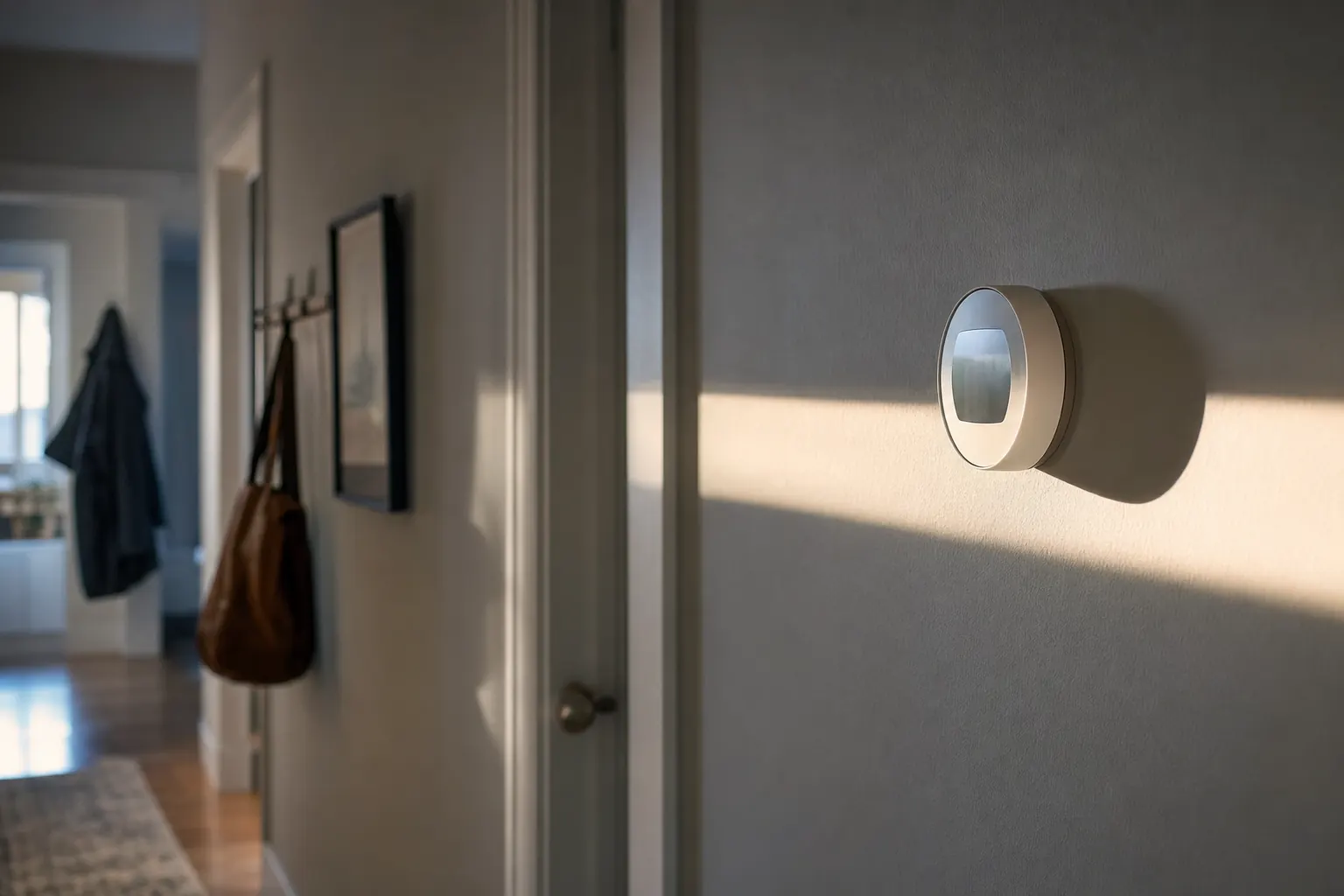
- Guide to installing air-source heat pumpsU.S. Department of Energy Building Science EducationThermostat placement on an interior wall away from direct sunlight, appliances, and drafts.
- ENERGY STAR heating and cooling guidanceENERGY STAREfficiency, replacement planning, qualified equipment, and contractor questions.