Reviewed July 22, 2026
HVAC Rescue Editorial Team
Editorial StandardsWhen you need AC tune-up
An AC tune-up is the right starting point when your air conditioner still runs, but you want it checked before summer or it seems less effective than it used to be. This service fits spring maintenance, a system that sat unused all winter, weaker cooling, higher electric bills, or equipment that has not been serviced in a year. The goal is to inspect, clean, test, and catch wear before the first long hot stretch.
This is different from AC repair, which is for a breakdown or clear no-cooling problem. If the system will not start, blows warm air, or has another major operating problem, that points to repair rather than routine maintenance. It is also different from installation or replacement, because a tune-up is meant for an existing system that is still operating and needs a performance check, cleaning, and inspection.
The decision this service should answer
Prepare a working cooling system for seasonal demand while identifying measured conditions that need a separate repair.
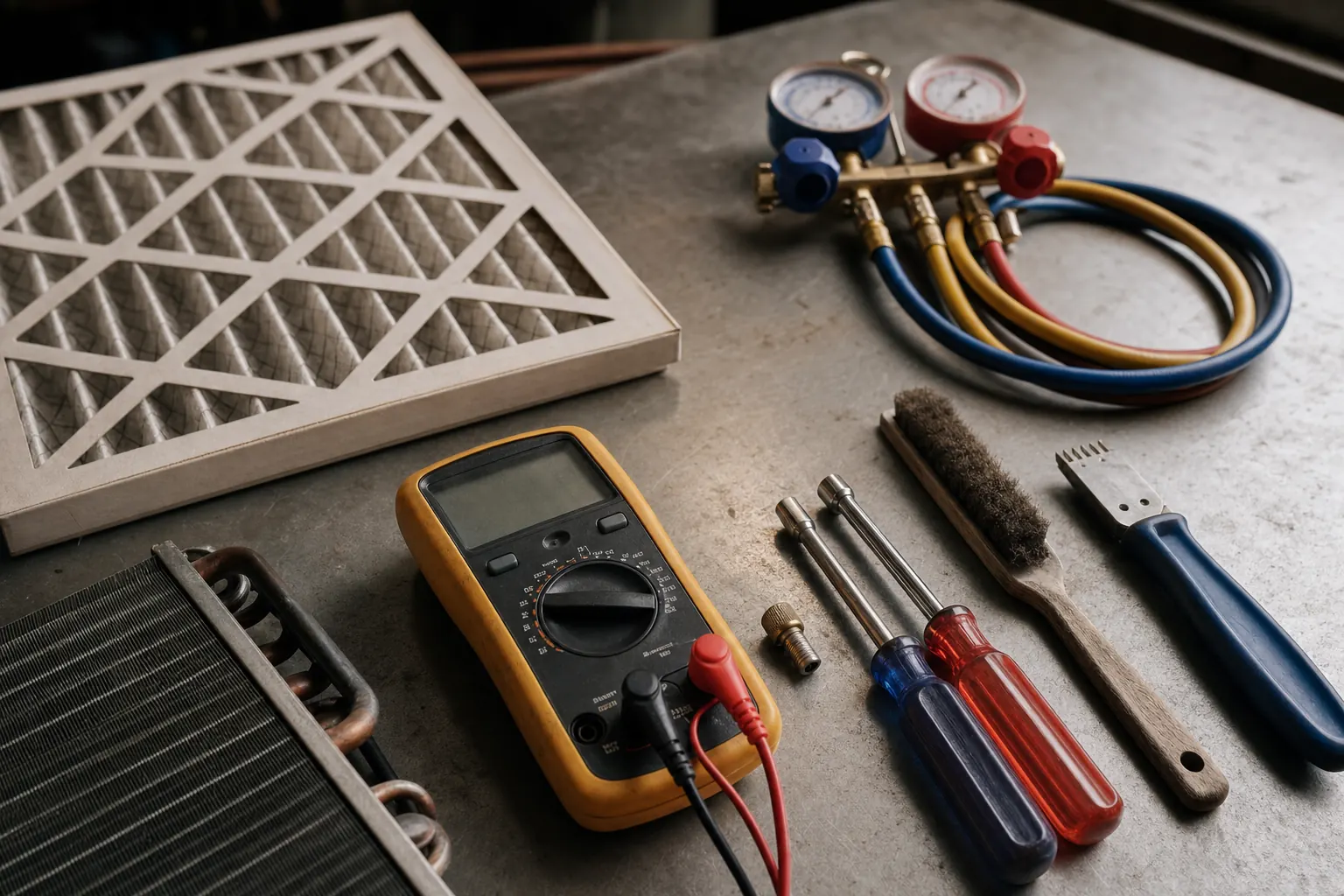
An AC tune-up should inspect and measure controls, airflow, coils, drainage, electrical operation, temperatures, and outdoor-unit condition without suggesting that maintenance prevents every future failure.
Common problems
Start with the symptom you notice
Common causes
- Dirty coils
- Condenser and evaporator coils move heat out of the house. When they collect dirt, the system has to work harder to cool, which can lower efficiency, reduce cooling strength, and raise utility bills.
- Clogged air filter
- A dirty filter restricts airflow through the system. Lower airflow can make rooms feel less cool, strain the equipment, and keep the air conditioner from performing the way it did last season.
- Low refrigerant
- Low refrigerant can point to a developing leak. The system may still run, but cooling can weaken and performance readings may fall outside normal range, which is why this needs professional testing.
- Weak capacitor
- A capacitor helps start and run key AC components. As it weakens, the system may struggle more at startup or operate less reliably, especially when hot weather puts the equipment under heavier demand.
- Clogged condensate drain
- The condensate drain carries away moisture removed during cooling. If it clogs, water may not drain properly, and the problem can affect operation or lead to visible drainage issues around the unit.
What you can safely check first
Homeowner checks should stay simple and external. A basic inspection can catch obvious airflow or debris problems before summer, but it cannot confirm refrigerant condition, electrical health, or deeper performance issues inside the equipment.
Replace the filter
Install a clean air filter before cooling season starts if the system uses one you can safely access. If airflow improves afterward, a dirty filter may have been part of the problem. If cooling still seems weak, a tune-up is the better next step.
Clear the outdoor unit
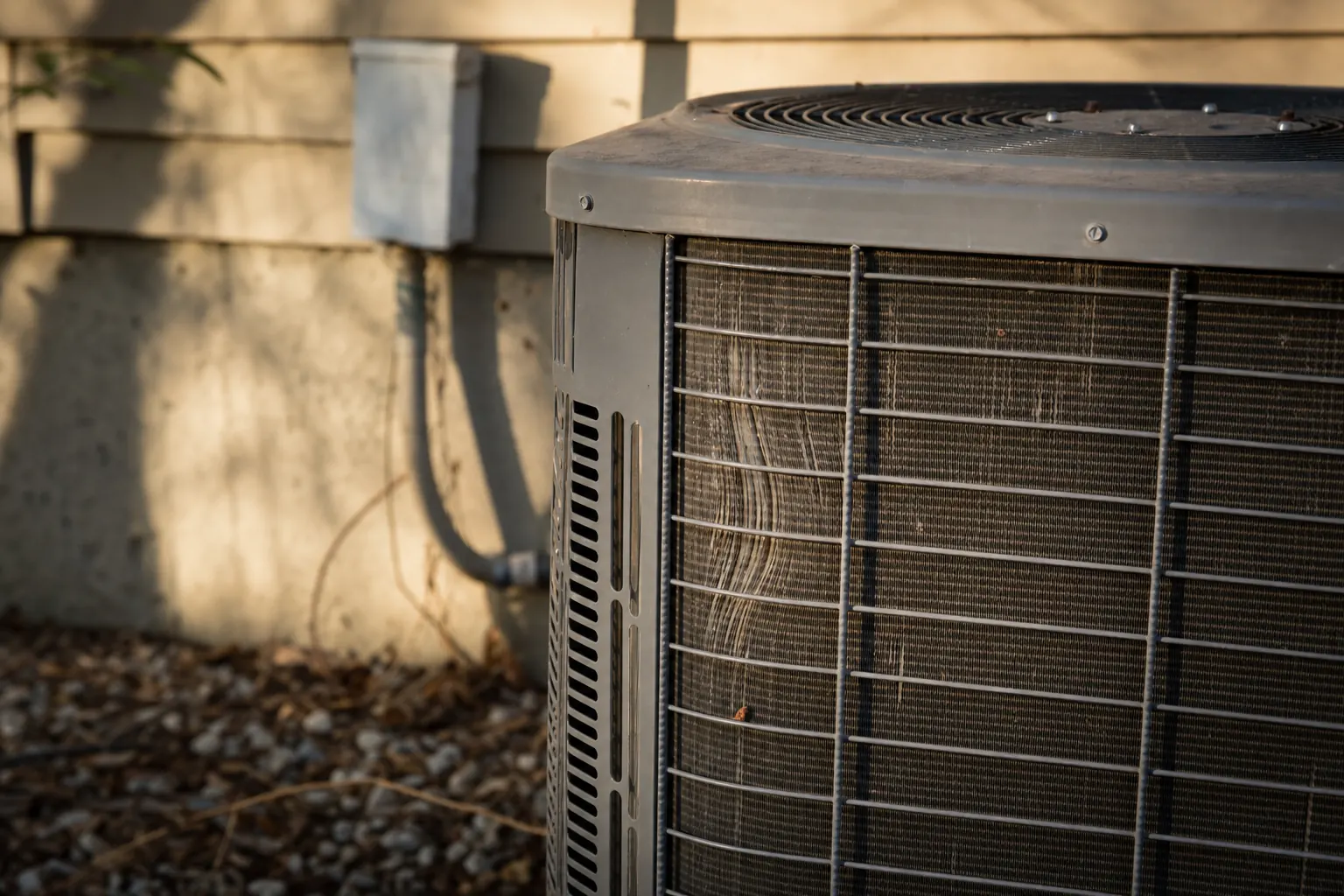
Remove plants, leaves, and loose debris from around the outdoor condenser. Better airflow around that cabinet helps the system release heat. If the area was blocked, clearing it may help performance, but it will not address internal dirt or worn parts.
Open and unblock vents
Walk through the house and make sure supply vents are open and not covered by rugs or furniture. Blocked vents can make rooms feel unevenly cooled and reduce airflow through the system.
Test on a mild day
Run the AC before peak summer heat arrives and notice how it starts, cools, and shuts off. If it seems slower than last year, cycles too often, or does not cool evenly, that is useful information to bring to a professional tune-up visit.
When to call a professional
Call a qualified HVAC professional when the issue goes beyond basic housekeeping or when performance has clearly changed. Maintenance is also the right move if you want the system checked before summer rather than waiting for a breakdown.
- Pre-summer inspection
- If you want the system checked before heavy summer use, schedule a tune-up early. This matters because coils, airflow, and electrical parts can be tested before hot weather puts extra strain on the equipment. The system does not need to be shut off for this reason alone.
- Cooling is weaker
- If the house still cools but takes longer or feels less comfortable than last year, a professional should inspect airflow, coil condition, and refrigerant performance. The system can usually stay on while you arrange service unless comfort is dropping rapidly.
- Bills or short cycling
- Higher bills or frequent on-and-off cycling can point to efficiency or control problems that are not visible from the outside. These changes matter because the system may be working harder than it should. You can usually leave it running, but do not ignore the pattern.
- Overdue annual service
- If it has been a year or more since the last service, a tune-up is a reasonable next step even if the AC still runs. Annual neglect allows dirt, drainage issues, and aging parts to build up without notice. The system does not need to be shut off just because it is overdue.
Get help with ac tune-up
One quick call connects you with HVAC pros who service your area. No pressure, no obligation.
What happens during service
A qualified technician uses inspection and measured performance checks to narrow down whether the problem is airflow, cleanliness, drainage, refrigerant-related performance, or an aging electrical part. That process matters because several AC problems can create similar symptoms, and careful testing helps separate routine maintenance needs from issues that require repair.
- 1
Inspect the cooling system
The technician checks the condenser, coils, and electrical parts.
- 2
Clean components
Coils and the condensate drain are cleaned for efficiency.
- 3
Check refrigerant and airflow
Charge and airflow are measured and verified.
- 4
Test performance
Cooling output and temperatures are confirmed.
- 5
Recommend next steps
You get a summary and any repair recommendations.
Why homeowners use HVAC Rescue
- One call connects you with HVAC pros who service your area
- Help for repair, maintenance, replacement, and emergencies
- Plain-English guidance on what is likely wrong before anyone visits
- No pressure and no obligation to book
- Available nationwide, year-round
- We point you to the right service for your system, not an upsell
AC Tune-Up: common questions
What does an AC tune-up include?
When should an air conditioner be tuned up?
Is an AC tune-up the same as AC repair?
Can a dirty filter really affect cooling performance?
Should I schedule a tune-up if the AC seems to be working fine?
Sources and fact-checking
Reviewed July 22, 2026. We favor primary government and standards sources for safety, efficiency, and regulatory claims. These references support the technical and consumer guidance on this page.
- Heating and cooling maintenance checklistENERGY STARProfessional tune-up scope, filters, airflow, coils, drains, and safety checks.
- Clean heating and coolingENERGY STARCentral-system sizing, efficiency, replacement planning, installation, and maintenance.
- Air cleaners and air filters in the homeU.S. Environmental Protection AgencyFilter performance, indoor-air limitations, and proper use of portable and HVAC filters.