Reviewed July 22, 2026
HVAC Rescue Editorial Team
Editorial StandardsWhen you need heat pump installation
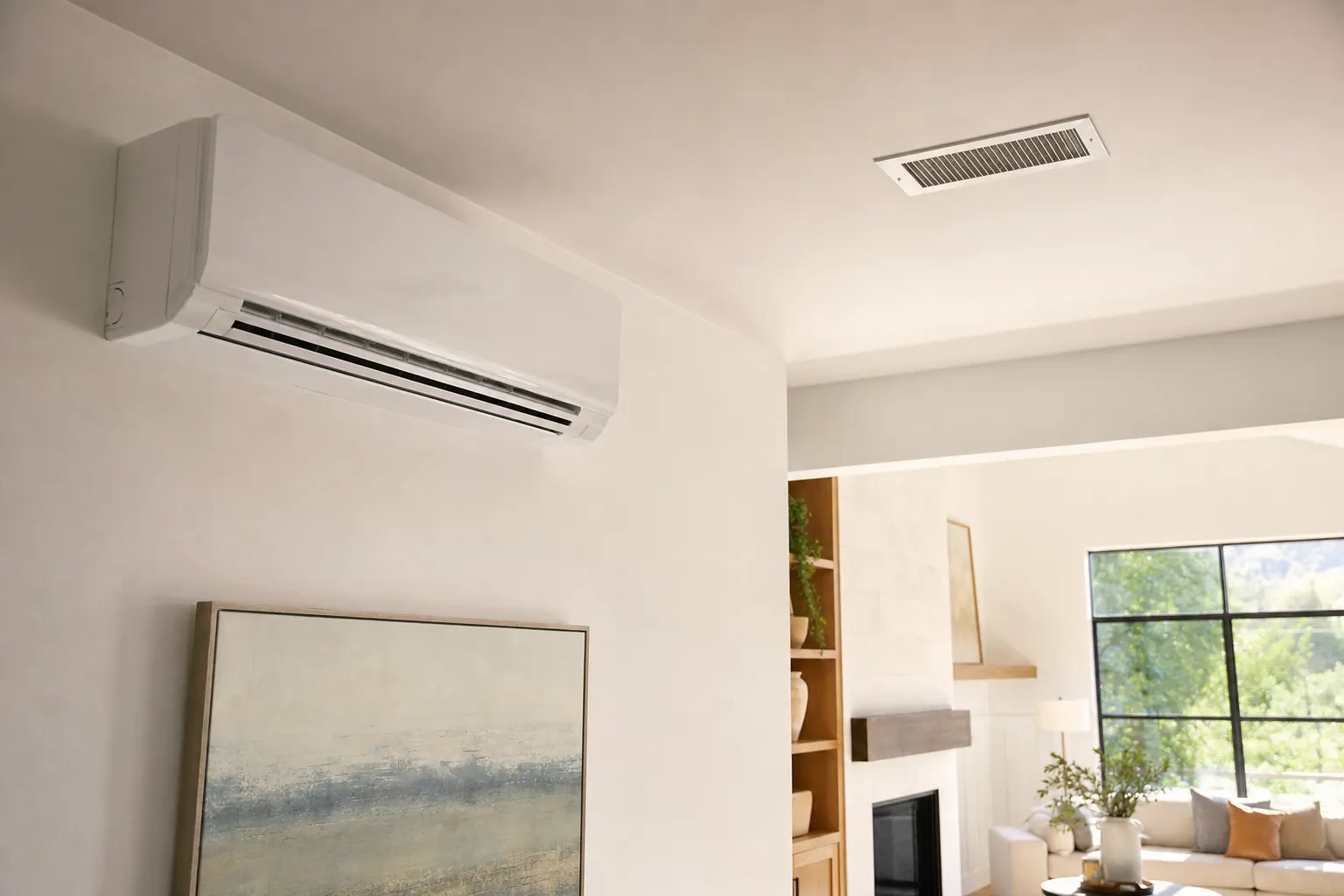
Heat pump installation is the right starting point when you are choosing a new heating and cooling system for the home, not fixing a fault in one you already have. It fits homes with an aging or inefficient system, homes being built or renovated, and homes where the goal is to use one system for both heating and cooling. It also applies when you are considering a ductless setup for zoned comfort because there is no existing ductwork or the layout calls for room-by-room control.
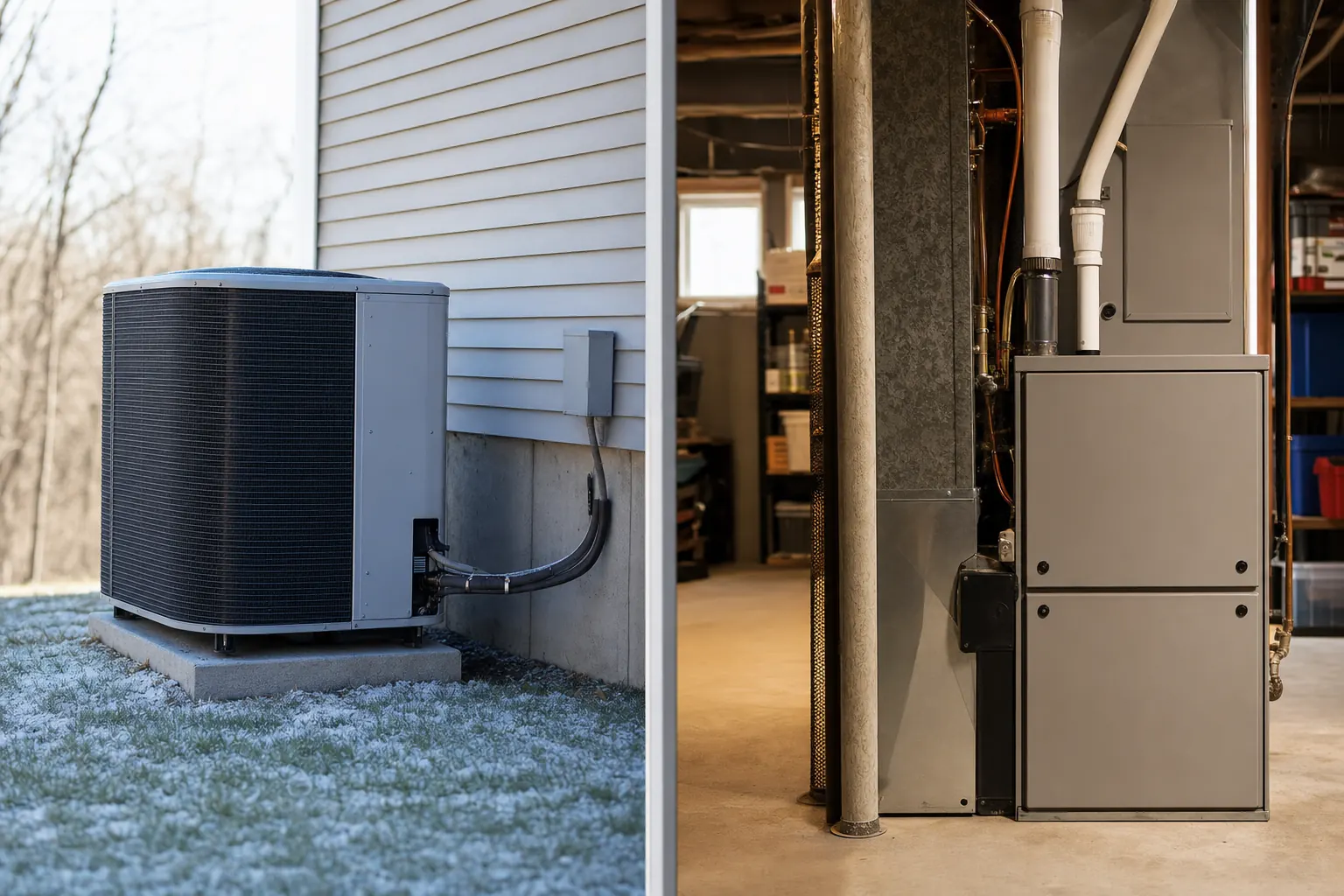
This page is different from heat pump repair, which is about restoring an existing heat pump after a problem, and different from heat pump replacement, which is focused on swapping out an old heat pump that is already known to be at the end of its life. It is also not the same as AC installation or furnace installation, because a heat pump is selected and planned around both cooling needs and winter heating performance.
The decision this service should answer
Plan one matched system for heating, cooling, humidity, low-temperature capacity, distribution, electrical service, controls, and backup heat.
Heat-pump installation should compare room loads and equipment capacity across both seasons, then coordinate the outdoor unit, indoor equipment, ducts or zones, electrical work, drainage, and controls.
Common causes
- Old system wearing out
- When the previous heating or cooling equipment reaches the end of its life, reliability drops and efficiency usually falls with it. That can lead to frequent breakdown decisions, uneven comfort, or the need to replace two separate systems with one heat pump.
- Higher efficiency goals
- A homeowner may want lower energy use than an older system can provide. That changes the equipment choices toward higher-efficiency heat pump models and may bring questions about operating cost, comfort, and whether the home can support the new setup.
- One system for both
- Some homes have separate heating and cooling equipment, or only one of the two. Installing a heat pump combines both functions, which changes how the home is sized, controlled, and supported during cold weather if backup heat is needed.
- Renovation or new space
- Additions, major renovations, and new construction often change the home's heating and cooling load. That can create a need for a fresh design rather than a simple swap, especially if the project adds rooms, changes insulation, or introduces areas without ductwork.
- Moving off older heat
- A switch away from older heating equipment can prompt heat pump planning. The main symptom is not a single breakdown part but a broader decision about comfort, energy use, and how the home will heat during the coldest weather in the local climate.
What you can safely check first
Homeowner checks for a planned heat pump install should stay at the observation level. The goal is to gather useful details about the house, existing system, and comfort needs so a professional can evaluate options, not to test electrical equipment or inspect sealed HVAC components.
Note winter temperatures
Think about your typical winter lows and whether the home sees long cold spells. This helps frame whether standard heat pump performance may be enough or whether backup heat options should be part of the discussion.
Look at ductwork presence
Check whether the home already has ducts and whether the rooms are generally served by them. If there are no ducts, or some spaces are hard to condition, that points toward a ductless or mixed approach rather than a simple central ducted install.
List comfort priorities
Write down what you want the new system to improve, such as more even temperatures, better efficiency, or room-by-room control. Those goals affect whether ducted or ductless equipment makes more sense and how the system should be sized and configured.
Check panel information
If you know where the electrical panel is, note the label size or any obvious lack of open breaker space without removing covers. This does not confirm suitability, but it can signal that electrical capacity may need closer review during planning.
When to call a professional
Call for professional guidance once the questions move beyond simple observations and into design, sizing, or electrical readiness. Heat pump installation depends on climate, load calculation, airflow, controls, and sometimes backup heat planning, so the decision should not be based only on the old system's size or a rough online estimate.
- Climate fit is unclear
- If you are unsure whether a heat pump suits your winters, that matters because heating output changes with outdoor temperature. A professional can compare local conditions and equipment performance. There is no need to shut off the current system unless it is already failing for another reason.
- Ducted or ductless question
- If you are comparing central ductwork to ductless indoor units, the layout affects comfort, installation scope, and cost. This is a planning issue rather than a repair symptom, and the existing system can usually stay in use while options are evaluated.
- Sizing or backup concerns
- If you are asking how large the system should be or whether backup heat is needed, professional sizing is important. Oversized or undersized equipment can create comfort and efficiency problems, so this is not a guesswork step. The current system does not need to be shut off solely for this reason.
- Electrical capacity may change
- If the home may need new circuits, disconnects, or other electrical work, that affects the installation plan and quote. Electrical evaluation belongs to a qualified professional. Do not open panels or attempt electrical checks yourself.
How much does heat pump installation cost?
A heat pump handles both heating and cooling; capacity, SEER2/HSPF2 efficiency, cold-climate performance, staging, electrical work, and the existing distribution system shape the installation scope.
Heat pump installation quotes vary because the equipment and labor can be simple or involved. The main cost drivers are system capacity, efficiency level, cold-weather performance, whether backup heat is part of the design, the condition of any existing ductwork, and the amount of electrical or line-set work the home needs. Permits and inspection requirements can also affect the final number.
| Heat Pump Install | Typical range |
|---|---|
| Standard single-stage heat pumpEntry-level efficiency, like-for-like swap | $5,967 – $12,000 |
| Mid-range / higher-efficiencyHigher SEER2/HSPF2 for typical homes | $8,267 – $16,167 |
| Cold-climate or multi-stageEnhanced low-temperature performance or variable-speed equipment | $11,000 – $21,500 |
| Premium or complex installTop-tier equipment, ductwork, or backup heat integration | $15,667 – $32,333 |
Cost ranges are estimates developed from standardized project scopes and reviewed pricing inputs. Government labor and regional cost data are used where applicable. See our Pricing Methodology for the exact sources, calculations, and review date. Actual prices vary by property, scope, materials or equipment, location, and provider.
See the full heat pump installation cost guide for the complete breakdown, then call to get a real quote for your home.
Get help with heat pump installation
One quick call connects you with HVAC pros who service your area. No pressure, no obligation.
Efficiency standards, rebates & the rules that matter
A few federal rules shape any heating or cooling project today. Knowing them helps you buy the right system and avoid surprises.
Efficiency standards changed in 2023 (SEER2)
Since January 1, 2023 the U.S. Department of Energy rates cooling efficiency as SEER2 and sets regional minimums — higher in the South and Southwest than in the North. New equipment has to meet the floor for its region, so a system installed today starts at a higher efficiency baseline than one from a few years ago.
New equipment is moving to lower-GWP refrigerants
EPA technology-transition rules restrict new residential and light-commercial equipment that uses high-global-warming-potential HFCs. Most newly manufactured split systems now use A2L refrigerants such as R-454B or R-32, while existing R-410A systems and qualifying repair components remain serviceable. Ask which refrigerant a proposed system uses and confirm that every indoor and outdoor component is listed as a compatible match.
Current incentives are state, utility, and program specific
The federal Energy Efficient Home Improvement Credit (Section 25C) generally ended for property placed in service after December 31, 2025. Home Energy Rebate programs may still be available through participating states, territories, and Tribes, and some utilities offer separate incentives. Program status, eligible equipment, income limits, and funding can change, so verify the current rules before treating an incentive as part of a project budget.
Anyone handling refrigerant must be EPA-certified
Federal law (EPA Section 608) requires any technician who opens a refrigerant circuit to hold EPA certification. Confirming it is a quick, fair check before you hire — alongside proof of license where your state requires one, and insurance.
Sources: U.S. DOE — central AC & heat pump regional efficiency standards · eCFR — 10 CFR 430.32 minimum efficiency standards · U.S. EPA — Technology Transitions Program · IRS — Energy Efficient Home Improvement Credit (§25C) · U.S. DOE — Home Energy Rebates · DSIRE — database of state & utility energy incentives · U.S. EPA — Section 608 technician certification
What happens during service
A qualified professional starts by evaluating the home, the climate, and the way the current setup delivers comfort before any equipment is chosen. That process helps narrow the real installation needs, avoid sizing by guesswork, and identify details like duct condition, control setup, condensate routing, line-set needs, and electrical readiness so the proposed system matches the house rather than only the old equipment.
- 1
Assess home and climate
A professional reviews your climate, ductwork, and comfort needs.
- 2
Size the system
A load calculation guides capacity and backup-heat planning.
- 3
Choose ducted or ductless
You select the configuration that fits your home.
- 4
Install and connect
The system is installed, charged, and connected to controls.
- 5
Test heating and cooling
Both modes are verified for proper performance.
Why homeowners use HVAC Rescue
- One call connects you with HVAC pros who service your area
- Help for repair, maintenance, replacement, and emergencies
- Plain-English guidance on what is likely wrong before anyone visits
- No pressure and no obligation to book
- Available nationwide, year-round
- We point you to the right service for your system, not an upsell
Heat Pump Installation: common questions
Is heat pump installation the same as heat pump replacement?
Can a heat pump work in a cold climate?
How do I know if I need ducted or ductless heat pump installation?
What should a professional evaluate before installing a heat pump?
Why can one heat pump installation quote be much higher than another?
Sources and fact-checking
Reviewed July 22, 2026. We favor primary government and standards sources for safety, efficiency, and regulatory claims. These references support the technical and consumer guidance on this page.
- Heat pumpsU.S. Department of EnergyHeat-pump operation, system types, climate considerations, and backup heat.
- Heat pump equipment key product criteriaENERGY STARCurrent cold-climate heat-pump efficiency, capacity-retention, and low-ambient performance criteria.
- Heating and cooling maintenance checklistENERGY STARProfessional tune-up scope, filters, airflow, coils, drains, and safety checks.
- ENERGY STAR heating and cooling guidanceENERGY STAREfficiency, replacement planning, qualified equipment, and contractor questions.