Reviewed July 22, 2026
HVAC Rescue Editorial Team
Editorial StandardsWhen you need HVAC replacement
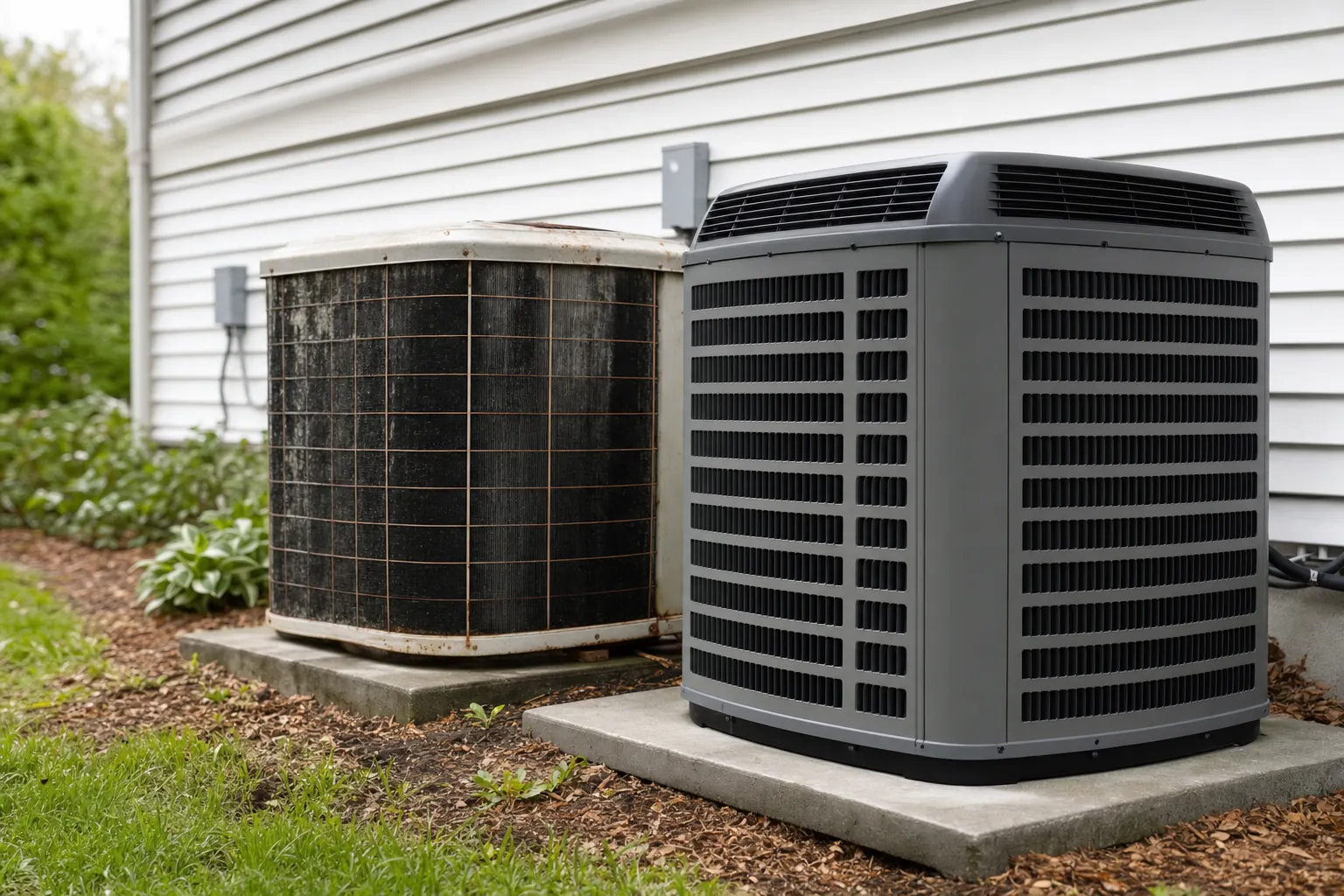
HVAC replacement is the right starting point when the whole heating and cooling system is aging out, breaking down often, or no longer keeping the house comfortable. This page is for replacing a central system, not for a one-time fix, seasonal tune-up, or a first-time installation in a home that does not already have comparable equipment. It also differs from AC-only replacement or furnace-only installation because the decision here is about the larger system, its fit for the home, and whether a matched upgrade makes more sense than another repair.
Replacement becomes more likely when expensive repairs keep coming, energy bills rise without a change in usage, or a major part such as the compressor or heat exchanger fails. It can also be the better path when the system has always struggled because it was never sized well for the home. Planning ahead before peak heating or cooling season gives you more time to compare equipment and sizing options instead of making a rushed decision during a breakdown.
The decision this service should answer
Compare repairing the current system with replacing a coordinated heating, cooling, airflow, and controls system based on evidence and full scope.
HVAC replacement should recalculate loads and correct distribution, matching, electrical, drainage, fuel, controls, and commissioning issues rather than simply copying old equipment labels.
Common causes
- Years of normal wear
- After many seasons of heating and cooling, motors, coils, and controls wear down together. The result is often more frequent repairs, longer run times, and a system that still runs but does less work than it used to.
- Wrong system size
- An undersized system can run too long and still leave rooms uncomfortable. An oversized system can cycle on and off too quickly, which can hurt comfort and leave the home feeling uneven.
- Deferred maintenance buildup
- When basic upkeep is missed over time, airflow and component condition can decline faster. That added strain can push older equipment toward repeated breakdowns and make replacement more practical than catching up on repairs.
- Outdated equipment design
- Older systems can use less efficient technology than newer matched equipment. Even if they still operate, they may use more energy to deliver the same heating or cooling and may struggle to control comfort evenly.
- Major component failure
- When a compressor or heat exchanger fails, the repair can be large enough to change the decision. On an older system, replacing one major part may not solve the fact that the rest of the equipment is the same age.
What you can safely check first
Homeowner checks should stay simple and low risk. The goal is to rule out basic airflow, thermostat, or power issues and gather useful information about the system's age and symptoms. Do not open sealed equipment, handle wiring, or investigate gas, refrigerant, or burning-smell problems yourself.
Find the system age
Look for a label or any paperwork that shows the unit's approximate age. If the system is older and has a history of repairs, that supports a replacement conversation rather than assuming the next problem is minor.
Replace a dirty filter
Check the air filter and replace it if it is clogged. A dirty filter can restrict airflow and make the system seem weak or uneven, so changing it helps show whether the problem is simple airflow or something larger.
Check thermostat basics
Confirm the thermostat is set to the correct mode and temperature, and replace the batteries if your model uses them. If the settings were wrong or the display was weak, that may explain why the system was not responding as expected.
Check power and clearance
If the system is unresponsive, reset the breaker once. Then clear leaves, grass, and debris away from the outdoor unit. If it starts working again, note that change, but if the breaker trips again or performance stays poor, stop there and move to professional help.
When to call a professional
Call for professional evaluation when the problem points to system age, major component failure, or a comfort problem that simple checks do not change. At that point, the question is not just why it stopped working, but whether the equipment is still worth repairing and how a replacement should be sized.
- Major part has failed
- A failed compressor or heat exchanger can make repair impractical, especially on older equipment. Do not keep forcing the system to run; leave it off and have a qualified professional assess whether replacement is the better path.
- Repairs are adding up
- When estimates start approaching the value of the equipment, another repair may only delay the next problem. This matters because repeated spending on an aging system does not address size, efficiency, or overall condition.
- Comfort keeps getting worse
- If the home stays uneven, the system runs constantly, or it cannot keep up in normal weather, the issue may be larger than a single failed part. Continued operation is not usually dangerous by itself, but it signals that sizing, airflow, or equipment condition needs professional review.
- You need sizing guidance
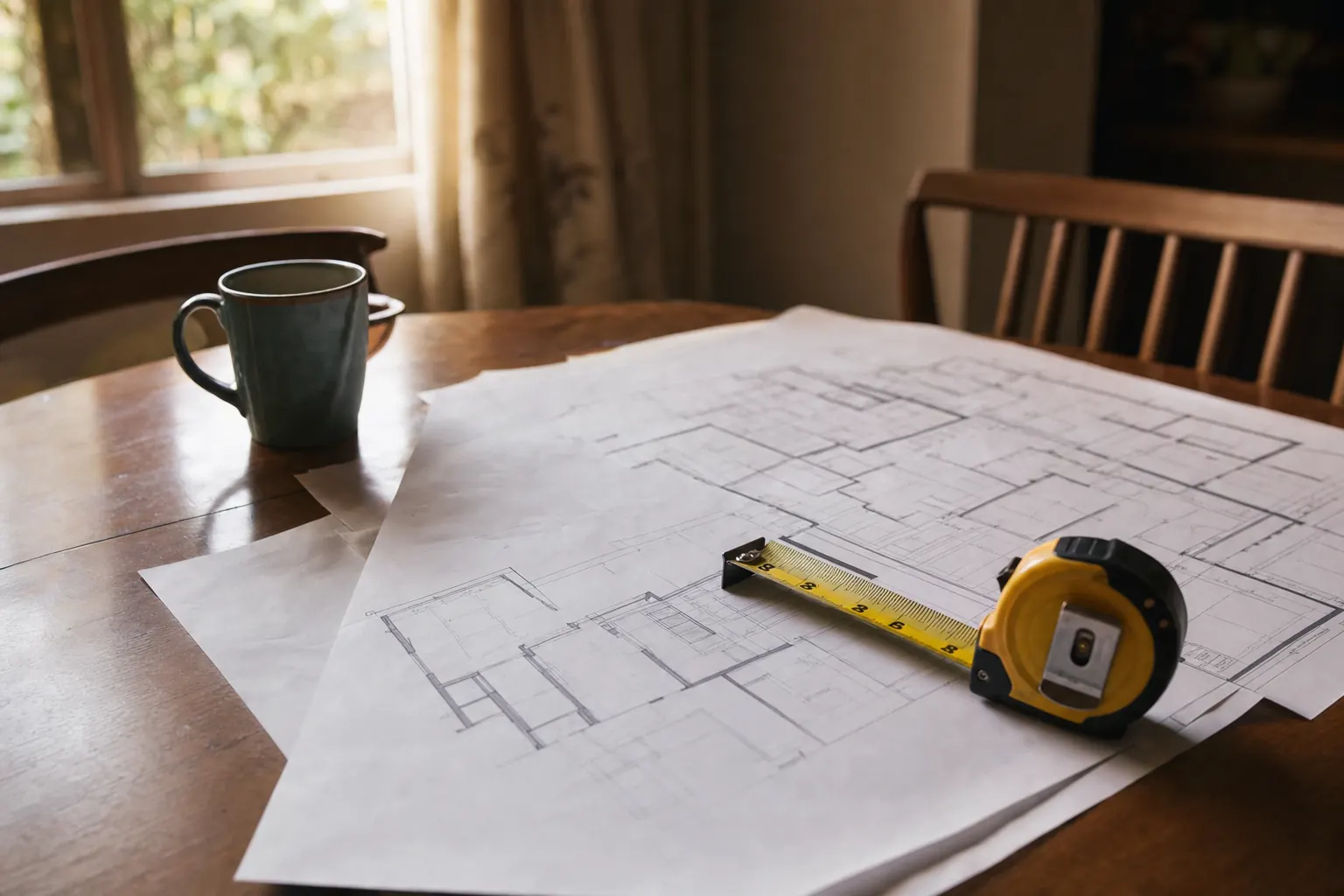
- A replacement should be based on a professional load calculation, not just the size of the old unit. This matters because a new system that is too large or too small can repeat the same comfort and efficiency problems from day one.
How much does HVAC replacement cost?
HVAC replacement scope depends on the equipment configuration, capacity, efficiency, home layout, access, ductwork, electrical work, and installation requirements. This guide explains the main cost drivers and scope questions.
Replacement quotes can vary because the job is not just about swapping one cabinet for another. Price changes with system capacity, blower type, whether a compatible evaporator coil can be reused, whether electric heat strips are added, and how difficult the location is to access. Cabinet orientation, sheet-metal transitions, and permit-related items can also affect labor and materials, so two homes with similar symptoms may still receive very different quotes.
| HVAC Replacement Cost | Typical range |
|---|---|
| AC or heat pump replacementVaries by capacity, efficiency, and home. | $5,500 – $15,000 |
| Furnace replacementVaries by efficiency and fuel type. | $3,967 – $10,933 |
| Full system (heating + cooling)Replacing both at once, with possible duct work. | $9,767 – $25,667 |
Cost ranges are estimates developed from standardized project scopes and reviewed pricing inputs. Government labor and regional cost data are used where applicable. See our Pricing Methodology for the exact sources, calculations, and review date. Actual prices vary by property, scope, materials or equipment, location, and provider.
See the full HVAC replacement cost guide for the complete breakdown, then call to get a real quote for your home.
Repair or Replace Your HVAC System?
Deciding between one more repair and a full replacement comes down to the age of the system, the cost of the fix, and how reliably it still keeps your home comfortable. A newer system with an isolated issue is usually worth repairing, while an older system facing a major failure often makes a stronger case for replacement.
A qualified professional can weigh the repair cost against the remaining life of your equipment and your efficiency goals. HVAC Rescue connects you with HVAC professionals that service your area so you can get that assessment and compare your options.
Repair often makes sense when
- The system is relatively new and well maintained
- The failed part is minor and affordable
- It is an isolated problem rather than a pattern
- The system still heats and cools your home effectively
Consider replacement when
- A major component like the compressor or heat exchanger has failed
- Repairs are becoming frequent and expensive
- The system can no longer keep up with demand
- You want significantly better efficiency and comfort
Get help with hvac replacement
One quick call connects you with HVAC pros who service your area. No pressure, no obligation.
Efficiency standards, rebates & the rules that matter
A few federal rules shape any heating or cooling project today. Knowing them helps you buy the right system and avoid surprises.
Efficiency standards changed in 2023 (SEER2)
Since January 1, 2023 the U.S. Department of Energy rates cooling efficiency as SEER2 and sets regional minimums — higher in the South and Southwest than in the North. New equipment has to meet the floor for its region, so a system installed today starts at a higher efficiency baseline than one from a few years ago.
New equipment is moving to lower-GWP refrigerants
EPA technology-transition rules restrict new residential and light-commercial equipment that uses high-global-warming-potential HFCs. Most newly manufactured split systems now use A2L refrigerants such as R-454B or R-32, while existing R-410A systems and qualifying repair components remain serviceable. Ask which refrigerant a proposed system uses and confirm that every indoor and outdoor component is listed as a compatible match.
Current incentives are state, utility, and program specific
The federal Energy Efficient Home Improvement Credit (Section 25C) generally ended for property placed in service after December 31, 2025. Home Energy Rebate programs may still be available through participating states, territories, and Tribes, and some utilities offer separate incentives. Program status, eligible equipment, income limits, and funding can change, so verify the current rules before treating an incentive as part of a project budget.
Anyone handling refrigerant must be EPA-certified
Federal law (EPA Section 608) requires any technician who opens a refrigerant circuit to hold EPA certification. Confirming it is a quick, fair check before you hire — alongside proof of license where your state requires one, and insurance.
Sources: U.S. DOE — central AC & heat pump regional efficiency standards · eCFR — 10 CFR 430.32 minimum efficiency standards · U.S. EPA — Technology Transitions Program · IRS — Energy Efficient Home Improvement Credit (§25C) · U.S. DOE — Home Energy Rebates · DSIRE — database of state & utility energy incentives · U.S. EPA — Section 608 technician certification
What happens during service
A qualified professional narrows the problem by looking at the current system, the home's comfort issues, and whether the equipment is still a good candidate for repair. For replacement planning, that assessment typically includes the home's load, ductwork, cabinet fit, and whether the indoor and outdoor equipment should be matched so the new system is sized and set up correctly.
- 1
Describe your needs
Tell us about your current system, your home, and the comfort problems you want to solve.
- 2
Get connected
We connect you with HVAC professionals that service your area, subject to availability by location and provider.
- 3
On-site assessment
A professional evaluates your home, ductwork, and load to recommend a properly sized replacement.
- 4
Review your options
Compare equipment choices, efficiency levels, and quotes before making a decision.
- 5
Installation and start-up
The chosen provider removes the old system, installs the new one, and verifies it is running correctly.
Why homeowners use HVAC Rescue
- One call connects you with HVAC pros who service your area
- Help for repair, maintenance, replacement, and emergencies
- Plain-English guidance on what is likely wrong before anyone visits
- No pressure and no obligation to book
- Available nationwide, year-round
- We point you to the right service for your system, not an upsell
HVAC Replacement: common questions
How do I know if I need HVAC replacement instead of HVAC repair?
Does replacing the system mean replacing both the indoor and outdoor equipment?
Can a new HVAC system fix uneven temperatures in my house?
Should I replace my HVAC system before it completely fails?
What should a replacement evaluation cover?
Sources and fact-checking
Reviewed July 22, 2026. We favor primary government and standards sources for safety, efficiency, and regulatory claims. These references support the technical and consumer guidance on this page.
- ENERGY STAR heating and cooling guidanceENERGY STAREfficiency, replacement planning, qualified equipment, and contractor questions.
- Clean heating and coolingENERGY STARCentral-system sizing, efficiency, replacement planning, installation, and maintenance.
- Manual J residential load calculationAir Conditioning Contractors of AmericaRoom-by-room heating and cooling load calculations used for equipment sizing.
- Consumer central air conditioners and heat pumpsU.S. Department of EnergySEER2, EER2, HSPF2, test procedures, and current federal efficiency standards.
- How to avoid a home improvement scamFederal Trade CommissionWritten estimates, contractor verification, payment cautions, and fraud warning signs.