Reviewed July 27, 2026
HVAC Rescue Editorial Team
Editorial StandardsWhen you need boiler repair
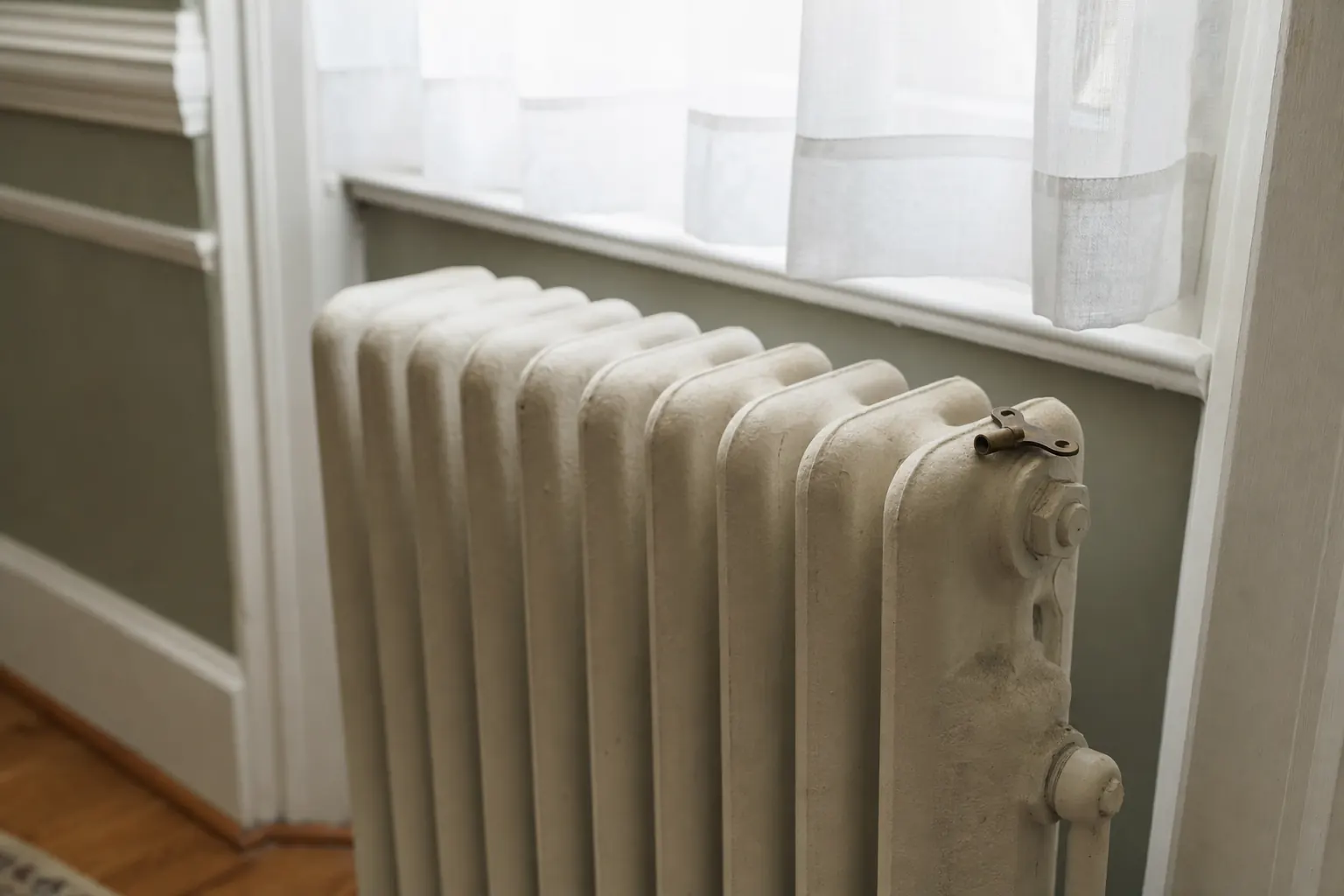
Boiler repair is the right starting point when the problem is tied to the boiler itself or to hot-water heat moving through radiators or baseboards. Common signs include a boiler that will not start, a fault code on the display, radiators that stay cold or heat unevenly, pressure that keeps dropping, banging or rumbling sounds, or water collecting under the unit. These symptoms point to a fault in the boiler, its controls, or the hydronic system around it.
This page is for fixing an existing boiler, not replacing it or installing a new one. It is also different from furnace repair and general heating repair. A furnace pushes warm air through ducts, while a boiler heats water and depends on system pressure, a circulator pump, and radiators or baseboards. If the main complaint is cold radiators, low boiler pressure, kettling, or a leaking relief valve, boiler repair is the more exact fit.
The decision this service should answer
Determine whether the boiler complaint starts with controls, pressure, water flow, pumps, zones, ignition, fuel, venting, heat transfer, steam distribution, or leakage.
Boiler repair should identify the system type and follow the call for heat through controls, burner or electric heat, venting, pressure, circulation, temperature, distribution, and safeties.
Common problems
Start with the symptom you notice
Common causes
- Low system pressure
- A hot-water boiler needs enough pressure to move heat through the home. A slow leak, recent radiator bleeding, or another pressure problem can leave radiators cool and may stop the boiler from operating normally.
- Scale on the exchanger
- Mineral buildup on the heat exchanger can make the boiler overheat in spots. That often creates kettling sounds such as banging or rumbling and can reduce steady heat output.
- Ignition sensor problems
- A dirty flame sensor, failed thermocouple, or other ignition fault can keep the boiler from firing. The result may be a no-heat call, repeated lockouts, or a fault code on the display.
- Failed circulator pump
- The circulator pump moves heated water through the system. If it seizes or fails, the boiler may fire but heat will not travel well to radiators or baseboards, leading to uneven or missing heat.
- Expansion or relief issues
- A waterlogged expansion tank or a stuck pressure-relief valve can make system pressure behave abnormally. That may show up as pressure swings, water discharging from the relief valve, or leakage around the boiler.
What you can safely check first
Homeowner checks should stay basic and observational. They can confirm whether the boiler has power, whether the thermostat is asking for heat, and whether pressure is in a normal range, but they do not replace a diagnosis. Do not open panels or attempt repairs on gas, oil, electrical, venting, or combustion parts.
Set the thermostat
Set the thermostat to heat and raise it above room temperature. If the boiler still does not respond, that points away from a simple temperature setting issue and toward the boiler, its controls, or power supply.
Read the pressure gauge
On most hot-water boilers, cold pressure is about 12 to 15 psi, or 1 to 1.5 bar. If the reading is well below that, low pressure may be part of the reason heat is not reaching the home properly.
Confirm power and reset once
Make sure the boiler power switch is on and the breaker has not tripped. If there is a fault code, note it and try one reset only. Repeated resets can hide an unsafe or worsening fault.
Bleed or thaw carefully
If a radiator is hot at the bottom but cold at the top, bleeding it may release trapped air. In freezing weather, an exposed condensate pipe on a condensing boiler may freeze; thaw it gently with warm, never boiling, water. If the problem returns, the system needs professional attention.
When to call a professional
Call for professional boiler repair when the basic checks do not restore normal heat or when the symptom involves leakage, repeated pressure loss, or internal components. Problems with the circulator pump, gas valve, expansion tank, controls, and safety devices are not do-it-yourself work.
- Still no heat
- If the boiler will not heat after thermostat, pressure, power, and reset checks, the fault is likely deeper than a simple setting issue. The system can stay on unless a leak, unusual noise, or another hazard is present, but it needs diagnosis.
- Pressure keeps dropping
- Pressure that falls again after topping up usually means a leak or another system problem. If the relief valve is discharging water, shut the system off and have it checked, because unstable pressure can affect safe operation.
- Leaks or kettling
- Water under the boiler, discharge from the relief valve, or loud banging and rumbling all point to problems that should not be ignored. Shut the system off if leaking is active or noises are severe, then arrange service.
- Gas smell or alarm
- If you smell gas, a carbon-monoxide alarm sounds, or you notice smoke or a burning-electrical smell, leave the building right away. Do not reset or inspect the boiler. Contact the gas utility or emergency services from outside.
Repair or replace your boiler?
Most boiler problems — ignition components, circulator pumps, expansion tanks, pressure-relief valves, zone valves — are repairable, and boilers reward repair more than most heating equipment: a well-maintained hot-water boiler commonly lasts 15 to 30 years, with cast-iron units at the long end of that range.
Replacement makes more sense when the heat exchanger itself is leaking or cracked, when an older boiler in the 60–70% AFUE range is driving high fuel bills, or when repairs are stacking up on a unit near the end of its life. Moving to a condensing boiler at 90%+ AFUE can meaningfully cut fuel use, though it usually requires new venting and a condensate drain.
Repair often makes sense when
- The boiler is under about 15 years old
- The failed part is a pump, valve, sensor, or ignition component
- The heat exchanger is sound and not leaking
- It is an isolated issue, not a pattern of breakdowns
Consider replacement when
- The heat exchanger is cracked or leaking
- The boiler is 20+ years old with low efficiency and rising fuel bills
- Repairs are frequent or a single repair approaches a third of replacement cost
- Parts for the model are discontinued or hard to source
Get help with boiler repair
One quick call connects you with HVAC pros who service your area. No pressure, no obligation.
What happens during service
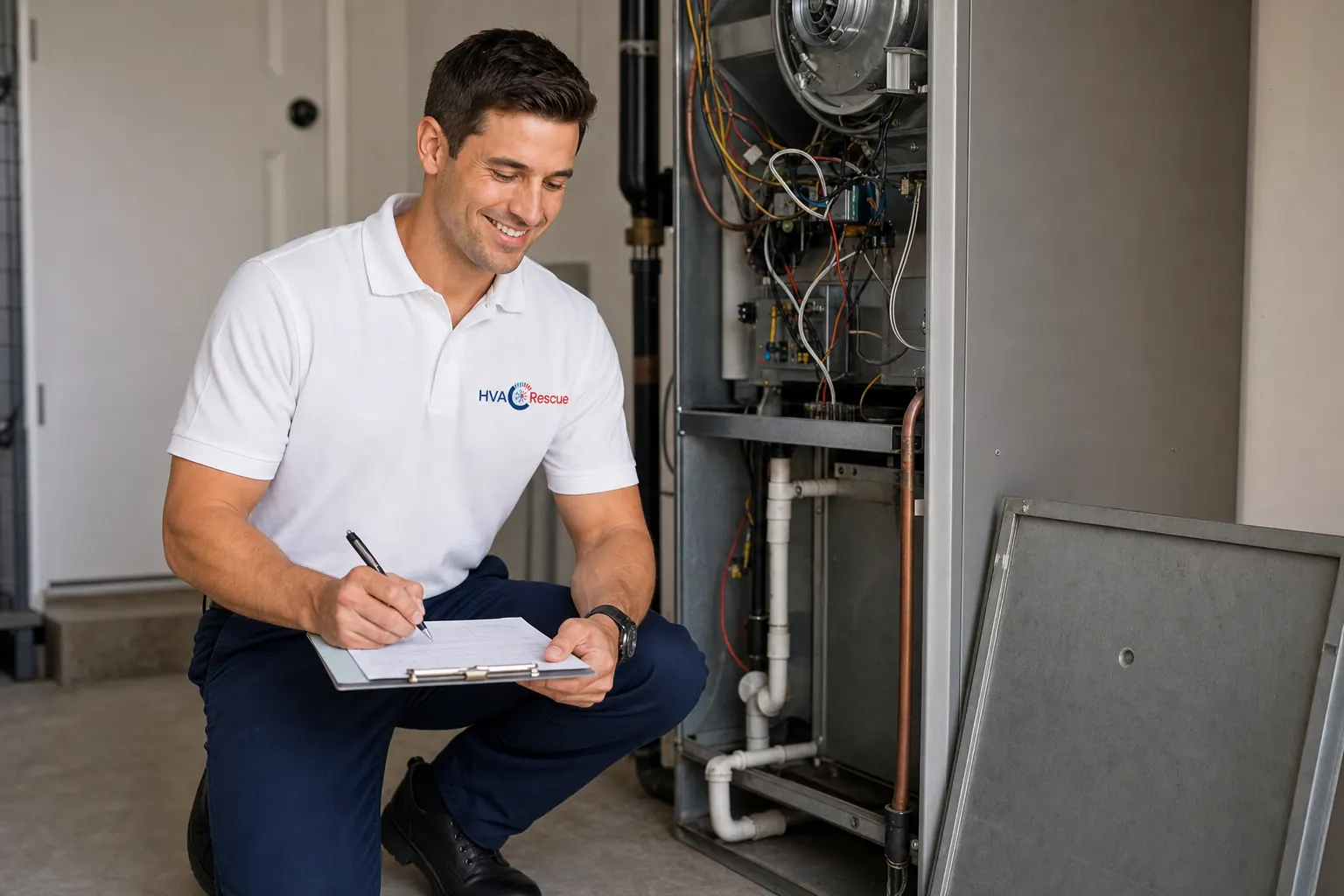
A qualified technician starts by narrowing the fault to the ignition side, the heat exchanger, the pump and water flow side, the controls, or a pressure-related problem. Good diagnosis matters because the same symptom can come from different causes. A boiler that will not fire, a boiler that fires but does not move heat, and a boiler that leaks all follow different repair paths, so parts should match the symptom and test results rather than guesswork.
- 1
Describe the symptom
Note whether the boiler fires, shows a fault code, loses pressure, or leaves radiators cold.
- 2
Run safe checks
Thermostat, pressure gauge, power switch, breaker, radiator bleeding, and the condensate line in winter.
- 3
Connect with a pro
HVAC Rescue helps connect you with boiler repair professionals that service your area.
- 4
Inspect the boiler
The technician checks ignition, the heat exchanger, circulator pump, expansion tank, controls, and safety components.
- 5
Repair and test
Repairs are completed, system pressure is set, and the boiler is run through a full cycle to verify safe, even heat.
Why homeowners use HVAC Rescue
- One call connects you with HVAC pros who service your area
- Help for repair, maintenance, replacement, and emergencies
- Plain-English guidance on what is likely wrong before anyone visits
- No pressure and no obligation to book
- Available nationwide, year-round
- We point you to the right service for your system, not an upsell
Boiler Repair: common questions
What does it mean if my boiler is on but the radiators are still cold?
Is it normal for boiler pressure to keep dropping?
Why does my boiler make banging or rumbling sounds?
Can I reset my boiler if it shows a fault code?
How is boiler repair different from furnace repair?
Sources and fact-checking
Reviewed July 27, 2026. We favor primary government and standards sources for safety, efficiency, and regulatory claims. These references support the technical and consumer guidance on this page.
- Heating and cooling maintenance checklistENERGY STARProfessional tune-up scope, filters, airflow, coils, drains, and safety checks.
- FurnacesENERGY STARResidential furnace efficiency, equipment features, buying guidance, and replacement considerations.
- Carbon monoxide fact sheetU.S. Consumer Product Safety CommissionCarbon-monoxide sources, alarm placement, annual heating-system inspection, and emergency precautions.
- Stay safe while staying warm this winterU.S. Consumer Product Safety CommissionFuel-burning heating-system inspection, blocked-vent risks, and carbon-monoxide safety precautions.
- How to avoid a home improvement scamFederal Trade CommissionWritten estimates, contractor verification, payment cautions, and fraud warning signs.