Reviewed July 27, 2026
HVAC Rescue Editorial Team
Editorial StandardsWhen you need smart thermostat installation
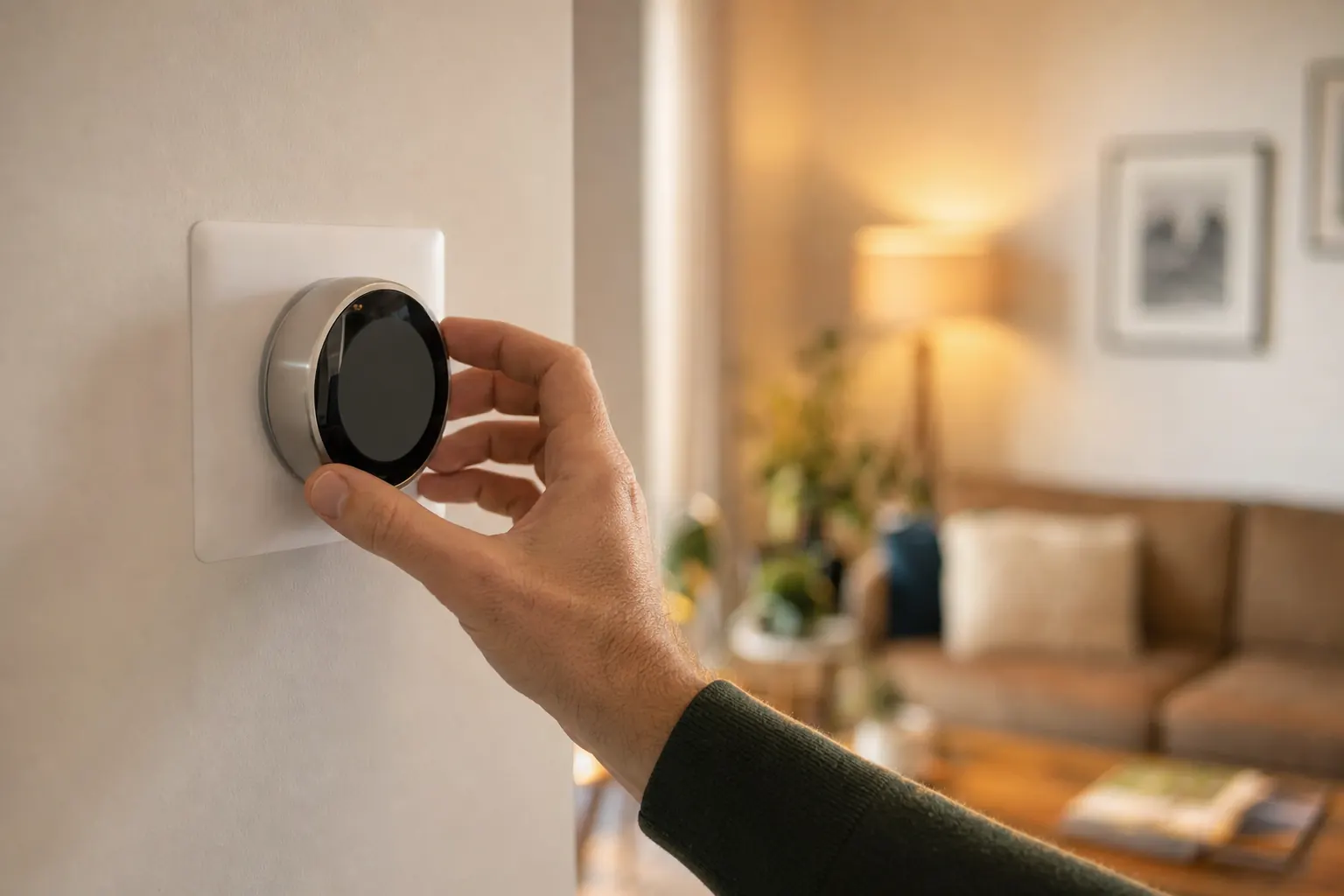
Smart thermostat installation is the right starting point when your heating and cooling system basically works, but the wall control no longer fits how you use the house. Common examples are an older dial thermostat, a basic digital model without app control, or a thermostat that is so awkward to program that schedules never get used. This service also fits when you want phone control, Wi-Fi setup, and schedules that match your routine.
It is different from standard thermostat installation because the goal is a smart, programmable, Wi-Fi-connected upgrade that must be matched to your system and configured correctly. It is also different from thermostat repair or replacement pages that focus on a failed control. If the main question is compatibility, wiring, app setup, or getting a new smart model working with your existing equipment, this page is the better fit.
The decision this service should answer
Choose smart controls only after confirming HVAC compatibility, wiring and power, stages, heat-pump logic, accessories, sensors, zoning, privacy, and useful features.
Smart-thermostat installation should verify electrical and equipment compatibility, representative placement, account setup, schedules, sensors, and every operating mode instead of assuming Wi-Fi support means system support.
Common causes
- Older wall control
- A non-programmable or outdated thermostat can still turn the system on and off, but it cannot offer app access, learning features, or flexible schedules. That often leads to uneven routines, missed setbacks, and a control that feels harder to use than the equipment itself.
- Common wire uncertainty
- Many smart thermostats need steady low-voltage power. If a common wire is missing or unclear, the thermostat may not power up properly, may reboot, or may not stay connected the way it should. This is one of the most common reasons a simple swap turns into an installation job.
- New device needs setup
- Opening the box is easy; matching the thermostat to the equipment is the harder part. A new smart model may need correct terminal connections, Wi-Fi pairing, and setup choices for the system type before heating, cooling, and fan commands work normally.
- Schedule and energy goals
- A homeowner may want smarter scheduling to better match work hours, sleep, or time away from home. The thermostat itself changes how the system is controlled, and poor setup can limit those features even if the screen lights up and the app installs correctly.
- System compatibility questions
- Not every smart thermostat works the same way with every HVAC system. Heat pumps, auxiliary heat, and multi-stage equipment can require specific settings. If the thermostat does not support the system or is configured wrong, comfort problems can show up even though the old thermostat worked.
What you can safely check first
Homeowner checks should stay simple and low risk. The goal is to gather useful information and rule out a basic setup issue, not to remove wiring or open HVAC equipment. If anything seems unsafe, stop there and leave electrical or system-side work to a qualified professional.
Check Wi-Fi signal
Confirm that your home Wi-Fi works where the thermostat will be installed. If the signal is weak or the network is down, a smart thermostat may still power on but remote control, app pairing, and some features may not work as expected.
Note thermostat details
Write down the brand and model of the current thermostat, and the smart model you have or are considering. This helps identify likely compatibility questions before anyone touches the wiring, especially if the home has a heat pump or other less basic setup.
Look at the display
Check whether the current thermostat display is responsive and set correctly. If it is blank or frozen, replace the batteries if that model uses them. A battery issue can mimic a larger problem, while a responsive display suggests the control still has at least some power.
Reset the breaker once
If the thermostat is unresponsive, reset the HVAC system breaker one time. If the thermostat comes back, note what happened. If it stays blank or trips again, stop there. Repeated resets do not solve a wiring or equipment problem and can hide the real cause.
When to call a professional
Call for professional help when the project moves beyond basic observation and into compatibility, wiring, or setup decisions. A smart thermostat can be the wrong match for the system, and a correct install depends on more than getting the screen to turn on.
- Compatibility is unclear
- This matters because the thermostat has to match the equipment type and control method. A professional can confirm whether the smart model supports your system before installation begins. The system does not usually need to be shut off just for this question.
- Wiring is not obvious
- Unclear terminal labels or a possible missing common wire can change whether the thermostat will power and control the system correctly. Do not move wires to test guesses. The system should remain off during any actual wiring work handled by a qualified professional.
- New thermostat will not communicate
- If the smart thermostat powers on but does not call for heating, cooling, or fan operation correctly, the issue may be configuration, wiring, or system compatibility. Shut the system off if operation becomes erratic, such as wrong-mode behavior or repeated reboots during testing.
- You want full setup help
- Installation is only part of the job. Proper scheduling, Wi-Fi connection, app pairing, and equipment settings affect how useful the upgrade feels day to day. Professional setup matters most when you want the thermostat installed and configured start to finish.
Get help with smart thermostat installation
One quick call connects you with HVAC pros who service your area. No pressure, no obligation.
What happens during service
A qualified technician starts by identifying the equipment type and confirming that the smart thermostat can work with the existing system and wiring. That prevents a wall-control upgrade from turning into a trial-and-error parts swap. After compatibility is clear, the installer can connect the thermostat correctly, power it properly, and test that heating, cooling, fan, Wi-Fi, and schedule features all behave the way the system requires.
- 1
Tell us your setup
Share your system type and the smart thermostat you have or are considering.
- 2
Get connected
We connect you with HVAC professionals that service your area, subject to availability by location and provider.
- 3
Compatibility check
A professional confirms the thermostat works with your system and wiring.
- 4
Installation
The chosen provider installs the thermostat and connects it correctly to your system.
- 5
Setup and walkthrough
The provider configures schedules and Wi-Fi, then shows you how to use the features.
Why homeowners use HVAC Rescue
- One call connects you with HVAC pros who service your area
- Help for repair, maintenance, replacement, and emergencies
- Plain-English guidance on what is likely wrong before anyone visits
- No pressure and no obligation to book
- Available nationwide, year-round
- We point you to the right service for your system, not an upsell
Smart Thermostat Installation: common questions
Do I need a common wire for a smart thermostat?
Is smart thermostat installation the same as thermostat replacement?
Can a smart thermostat work with any HVAC system?
What if my new smart thermostat turns on but will not control the system?
Will the installer help set up Wi-Fi and schedules?
Sources and fact-checking
Reviewed July 27, 2026. We favor primary government and standards sources for safety, efficiency, and regulatory claims. These references support the technical and consumer guidance on this page.
- Smart thermostats key product criteriaENERGY STARCertified smart-thermostat capabilities, temperature accuracy, standby power, and measured energy-savings criteria.
- Guide to installing air-source heat pumpsU.S. Department of Energy Building Science EducationThermostat placement on an interior wall away from direct sunlight, appliances, and drafts.
- ENERGY STAR heating and cooling guidanceENERGY STAREfficiency, replacement planning, qualified equipment, and contractor questions.