Reviewed July 27, 2026
HVAC Rescue Editorial Team
Editorial StandardsWhen you need indoor air quality
Indoor air quality service is the right starting point when the heating or cooling system still runs, but the air in the home feels wrong. Common clues include allergies that seem worse indoors, rooms that feel stale or stuffy, lingering odors, too much dust, or a house that feels humid and clammy in summer or dry and static in winter. These problems point to filtration, humidity, ventilation, or duct-related issues rather than a simple temperature problem.
This is different from a standard HVAC breakdown call. If the system will not start, misses the thermostat by several degrees, or has weak airflow at every vent, the main problem may be heating or cooling performance. Indoor air quality service focuses on what is moving through the house and how that air affects comfort, odors, and breathing conditions.
The decision this service should answer
Define whether the concern is moisture, particles, odor, ventilation, filtration, source control, or HVAC operation before choosing equipment.
Indoor-air planning should identify and control sources and moisture first, then evaluate ventilation, filtration, humidity control, airflow, and equipment compatibility without making medical claims.
Common problems
Start with the symptom you notice
Common causes
- Basic filter limits
- A basic filter may catch larger debris but miss finer particles that stay in the air longer. That can leave furniture dusty, let allergens circulate, and make the house feel less clean even when the system is operating normally.
- Humidity out of balance
- Too much moisture can make the home feel muggy and sticky, while too little can lead to dry air and static. Humidity problems often show up as discomfort first, even when indoor temperature seems acceptable.
- Leaky return ducts
- Leaks in ductwork can pull dust and other unwanted particles into the system before air reaches the filter. That can add more dirt to the air stream and make dust buildup or allergy complaints worse indoors.
- Not enough fresh airflow
- When ventilation is limited, stale air and odors can linger instead of clearing out. Kitchens, baths, and tightly closed homes can hold onto smells and stuffiness if air is not exchanged well.
- System buildup over time
- Dust and grime can collect in parts of the air-moving system over time. That buildup can affect airflow quality, contribute to odors, and reduce how well the system supports a fresh, comfortable indoor environment.
What you can safely check first
Homeowner checks should stay simple and low risk. The goal is to notice patterns and correct easy upkeep issues, not to open equipment, test components, or diagnose the duct system. If basic steps do not improve conditions, the next step is a professional evaluation.
Check the air filter
Look at the filter size and condition, then replace it with a quality filter that fits properly and change it regularly. A dirty or low-performing filter can let more particles circulate. If dust and allergy complaints improve after replacement, filtration was likely part of the problem.
Keep vents open
Walk through the home and make sure supply and return vents are open and not blocked by rugs, furniture, or boxes. Steady airflow helps the system move and filter air more consistently. If one room still feels stale after vents are cleared, the issue may go beyond simple airflow blockage.
Use exhaust fans
Run kitchen and bathroom exhaust fans during and after cooking or bathing. These fans help remove moisture and odors at the source. If the house still feels damp or smells linger despite regular fan use, the home may need better humidity control or ventilation planning.
Watch indoor humidity
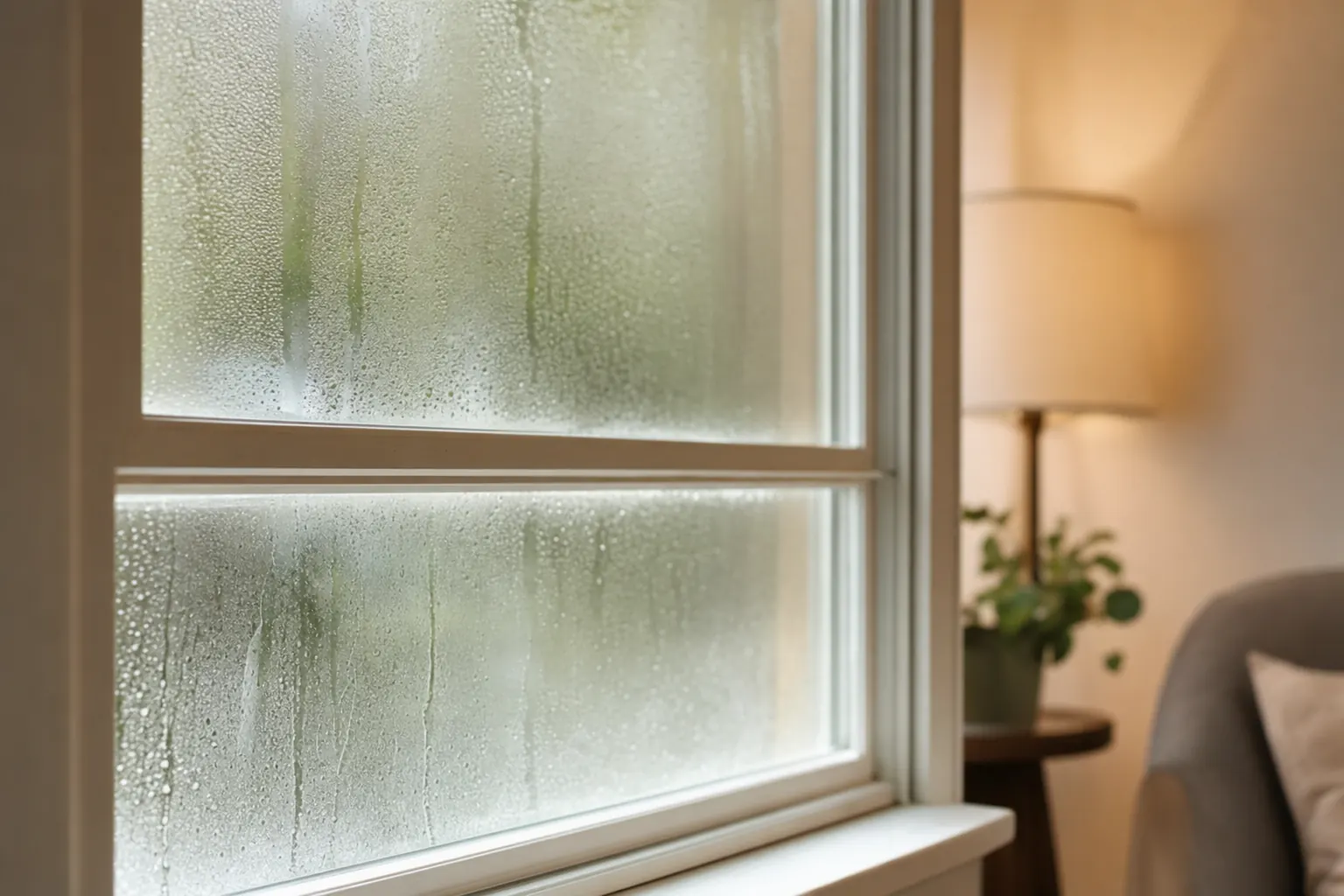
Pay attention to whether the home feels clammy, dry, or unusually static. Window condensation in cooler weather or a muggy feel in warm weather can signal humidity imbalance. If those patterns repeat across seasons, it suggests the issue is ongoing rather than a one-time comfort complaint.
When to call a professional
Call for professional indoor air quality help when simple upkeep does not change the problem, or when the issue seems tied to the whole house rather than one room. Persistent humidity, dust, odors, or allergy complaints usually need the system, ductwork, and air movement evaluated together.
- Filters are not enough
- If regular filter changes and a better-rated filter do not noticeably reduce dust, stale air, or allergy irritation, the problem may involve duct leaks, ventilation, or system buildup. The system does not usually need to be shut off, but the issue is unlikely to resolve with filter swaps alone.
- Humidity keeps returning
- Repeated muggy conditions, dry air, or static after normal fan use and thermostat operation point to moisture control issues. Persistent humidity matters because it affects comfort and how the home feels day to day. The system can usually stay on while the cause is assessed.
- Odors or contamination concerns
- If smells keep coming back after cleaning, or you suspect dust or contamination is being pulled through the ducts, a closer inspection is warranted. This matters because the source may be in the air-moving path rather than on visible surfaces. The system does not need to be shut off unless there is smoke or a burning-electrical smell.
- Whole-home IAQ upgrade
- If you want whole-home purification, upgraded filtration, or added humidity control, a professional can determine whether the existing system can support it. This matters because equipment choice, airflow, and installation details affect results. The system can remain in normal operation during planning.
Get help with indoor air quality
One quick call connects you with HVAC pros who service your area. No pressure, no obligation.
What happens during service
A qualified technician narrows an indoor air quality problem by matching your symptoms to how air moves through the house. That usually means asking where and when you notice dust, odors, humidity, or allergy issues, then evaluating filtration, humidity, ventilation, and ductwork before recommending equipment. The aim is to identify why the air feels off, not to replace parts without a clear reason.
- 1
Identify the concern
Note whether the issue is dust, humidity, odors, or allergies.
- 2
Improve filtration
A better-rated filter or upgraded filtration can capture more particles.
- 3
Connect with a pro
HVAC Rescue helps connect you with indoor air quality professionals that service your area.
- 4
Assess the home
A professional evaluates filtration, humidity, ventilation, and ductwork.
- 5
Recommend solutions
Options may include purification, humidity control, or duct improvements.
Why homeowners use HVAC Rescue
- One call connects you with HVAC pros who service your area
- Help for repair, maintenance, replacement, and emergencies
- Plain-English guidance on what is likely wrong before anyone visits
- No pressure and no obligation to book
- Available nationwide, year-round
- We point you to the right service for your system, not an upsell
Indoor Air Quality: common questions
What problems does indoor air quality service address?
Will a better filter solve indoor air quality problems?
How do humidity issues show up in a home?
Is indoor air quality the same as duct cleaning?
When should I seek professional help for indoor air quality?
Sources and fact-checking
Reviewed July 27, 2026. We favor primary government and standards sources for safety, efficiency, and regulatory claims. These references support the technical and consumer guidance on this page.
- What can I do to improve indoor air quality in my home?U.S. Environmental Protection AgencyIndoor moisture control, ventilation, filtration, and recommended relative-humidity ranges.
- Air cleaners and air filters in the homeU.S. Environmental Protection AgencyFilter performance, indoor-air limitations, and proper use of portable and HVAC filters.
- Should you have the air ducts in your home cleaned?U.S. Environmental Protection AgencyWhen duct cleaning may be warranted, limitations, and consumer cautions.
- Use and care of home humidifiersU.S. Environmental Protection AgencyHumidifier types, moisture limits, cleaning, mineral exposure, and safe operating practices.