Reviewed July 22, 2026
HVAC Rescue Editorial Team
Editorial StandardsWhen you need HVAC
General HVAC service is the right starting point when your home is uncomfortable but you do not yet know whether the problem is heating, cooling, airflow, or a mix of all three. This fits problems like rooms that never match each other, a system that turns on and off too often, weak airflow, or a thermostat reading that does not match how the house feels. It is also a good fit when you want one place to begin instead of guessing which part of the system is at fault.
This page is broader than repair, maintenance, replacement, or installation. If you already know you need a specific repair, a new thermostat, ductwork work, or a full system replacement, those are narrower services. HVAC service is for the earlier stage, when the symptom crosses categories and the main need is to sort out what is actually causing the comfort problem before deciding on the next step.
The decision this service should answer
Identify whether the comfort concern begins with heating, cooling, airflow, controls, humidity, maintenance, or whole-system planning.
Broad HVAC help should organize the observable need first, then trace controls, airflow, operating equipment, distribution, and building conditions without forcing the home into a cooling-only or heating-only answer.
Common problems
Start with the symptom you notice
Common causes
- Thermostat problems
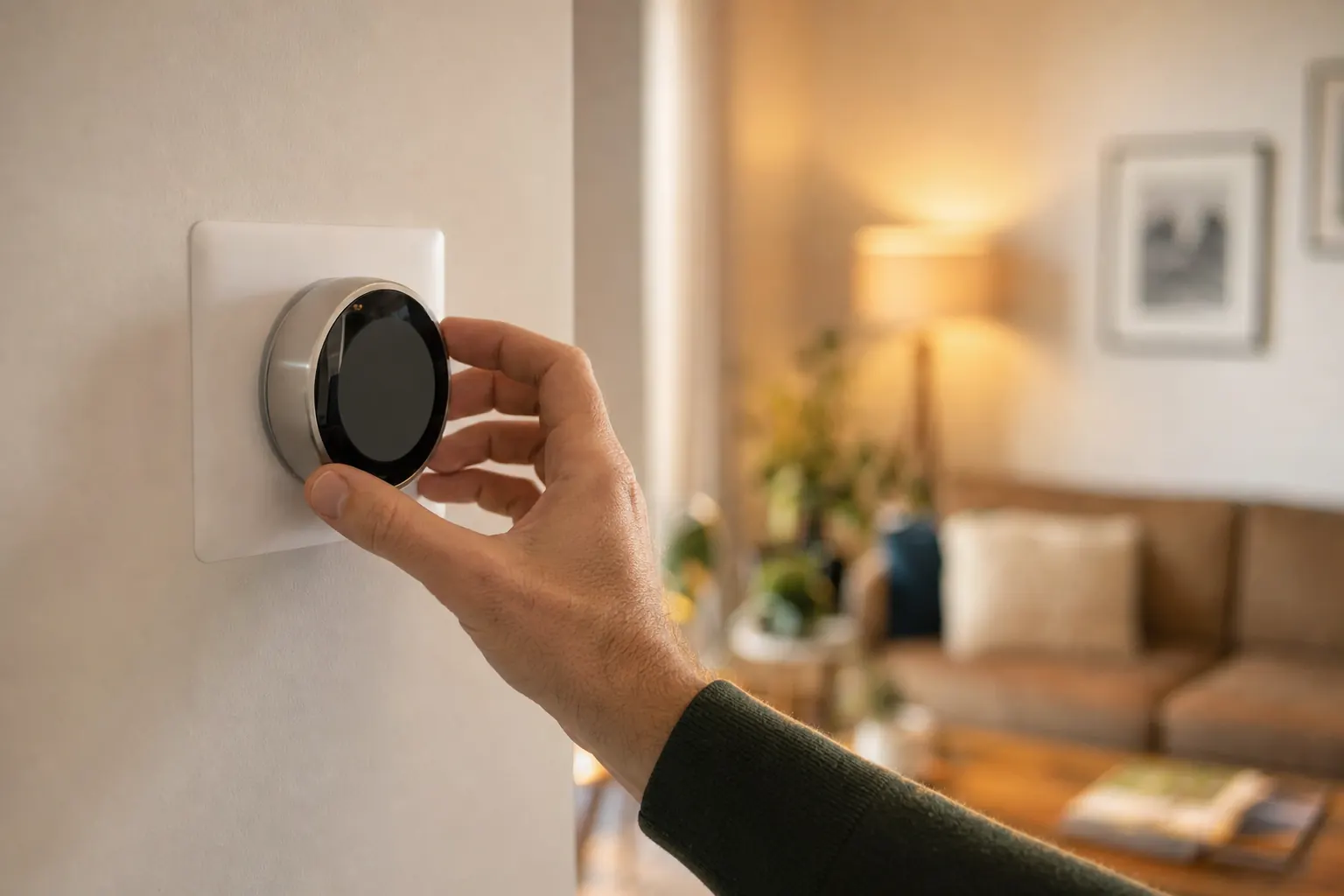
- Incorrect settings, loose wiring, or a thermostat that is not communicating clearly can make the system run at the wrong time or stop too soon. That can show up as no heating, no cooling, short cycling, or a room temperature that does not match the display.
- Dirty air filter
- A clogged filter restricts airflow through the system. Reduced airflow can make rooms feel stuffy or uneven, cause longer run times, and sometimes lead to heating or cooling that seems weak even though the equipment is turning on.
- Cooling charge issues
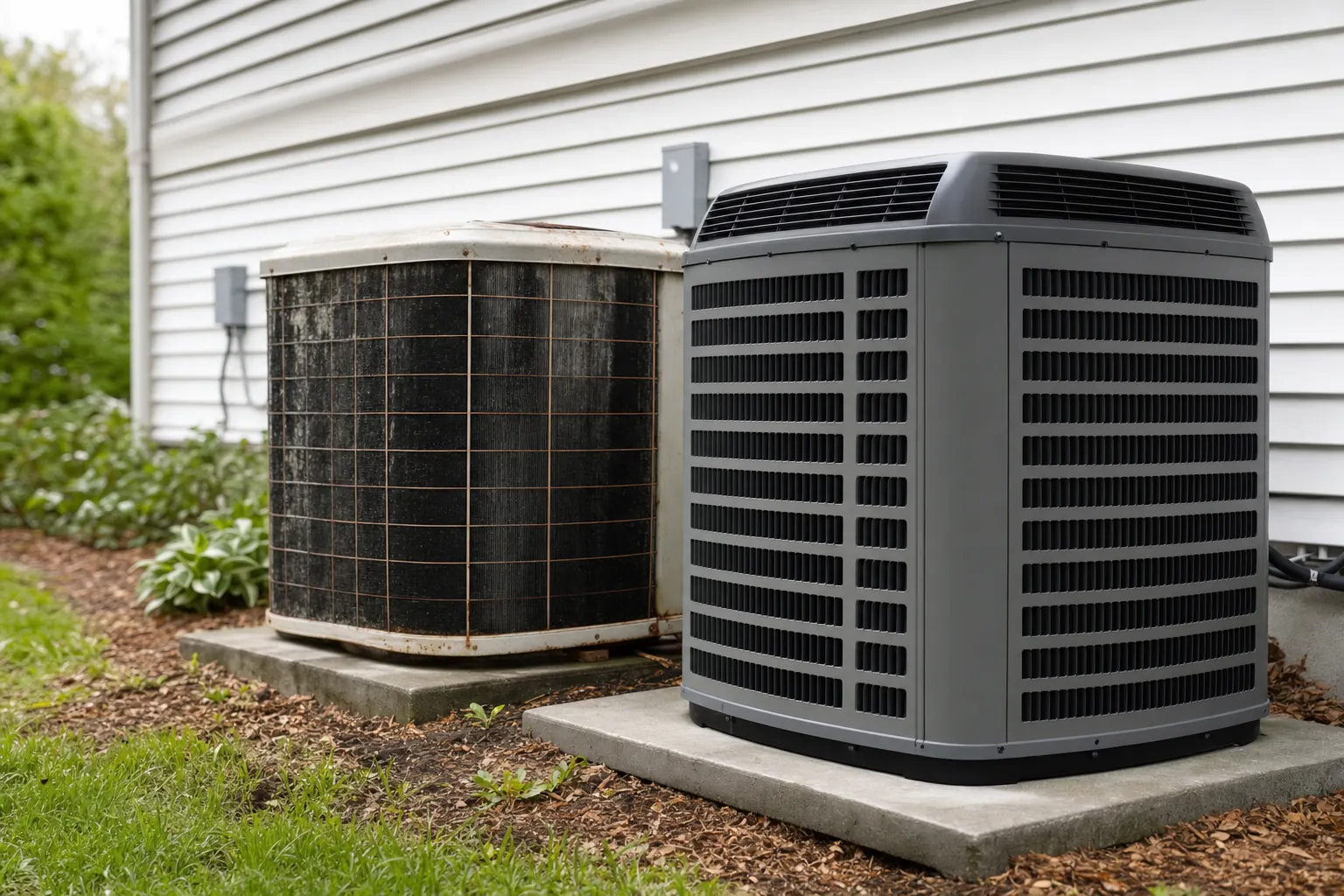
- Refrigerant-related problems can reduce the system's ability to remove heat from the home. The result may be poor cooling, longer cycles, or a house that never quite reaches the thermostat setting during warm weather.
- Worn electrical parts
- Motors, capacitors, and control components help the blower and outdoor equipment start and run correctly. As these parts wear down, the system may buzz, struggle to start, shut off too often, or lose heating or cooling performance.
- Ductwork airflow problems
- Leaky or undersized ducts can keep conditioned air from reaching the rooms that need it most. That often causes hot or cold spots, weak airflow at vents, and a system that seems to run normally while comfort stays uneven.
What you can safely check first
A few basic checks can rule out simple causes, but they should stay basic. The goal is to confirm settings, airflow, and power status without opening equipment or handling parts that involve high voltage, combustion, or the sealed cooling system.
Check thermostat settings
Make sure the thermostat is set to heat or cool as needed and set a few degrees past the current room temperature. If the setting is correct and the system still does not respond, the problem may be elsewhere in the controls, wiring, or equipment.
Inspect the air filter
Look at the filter and replace it if it appears dirty. A heavily loaded filter can choke airflow and create comfort problems on its own, so a clean filter helps show whether the issue is simply restriction or something deeper.
Open and clear vents
Walk through the home and confirm supply and return vents are open and not blocked by furniture, rugs, or curtains. If airflow improves after clearing them, the issue may be distribution related rather than a complete equipment failure.
Check breaker and outdoor area
See whether a breaker for the system has tripped, and clear leaves, grass, and debris away from the outdoor unit. If a breaker trips again or the system still does not run normally after the area is cleared, it points to a problem that needs professional diagnosis.
When to call a professional
Call for qualified HVAC help when the system still cannot heat or cool after those checks, or when the symptoms suggest more than a simple setting or airflow issue. Broad comfort problems often involve several parts working together, so replacing parts without diagnosis can miss the real cause.
- No comfort after basic checks
- If the thermostat, filter, vents, and breaker all look normal but the house still will not heat or cool, the fault is likely inside the controls, airflow path, or equipment. The system can stay on unless it is making alarming noises or odors.
- Grinding, buzzing, or banging
- Unusual noises can point to failing motors, electrical parts, or other internal problems. Shut the system off if the sound is loud, sudden, or worsening, because continued operation may cause more damage.
- Musty or burning odors
- A musty smell can signal moisture-related issues, while a burning odor can indicate an electrical problem or overheating component. Shut the system off for a burning smell. If you notice smoke or a burning-electrical smell, leave the building and contact emergency services from outside.
- Bills rise without reason
- A sudden jump in energy use can mean the system is running longer than it should because of restricted airflow, control problems, duct losses, or declining equipment performance. The system may still operate, but the underlying problem should be diagnosed before it grows into a larger repair or replacement decision.
How much does HVAC cost?
HVAC repair scope depends on the failed part, system type, diagnosis, access, labor, and urgency. This guide explains the common cost drivers and questions to use when comparing itemized proposals.
HVAC quotes can vary because this service may lead to very different next steps. One visit may uncover a basic airflow or control problem, while another may point to multiple worn parts, duct issues, or a larger repair-versus-replacement decision. The scope depends on what the inspection finds, which equipment is involved, and whether the final recommendation is repair, maintenance, or a broader system change.
| HVAC Repair Cost | Typical range |
|---|---|
| Minor repair (capacitor, filter, simple part)Small, common fixes. | $173 – $652 |
| Moderate repair (motor, sensor, control board)Mid-range components and labor. | $450 – $1,650 |
| Major repair (compressor, heat exchanger work)Significant parts and labor; sometimes points toward replacement. | $1,867 – $6,600 |
Cost ranges are estimates developed from standardized project scopes and reviewed pricing inputs. Government labor and regional cost data are used where applicable. See our Pricing Methodology for the exact sources, calculations, and review date. Actual prices vary by property, scope, materials or equipment, location, and provider.
See the full HVAC repair cost guide for the complete breakdown, then call to get a real quote for your home.
Get help with hvac
One quick call connects you with HVAC pros who service your area. No pressure, no obligation.
What happens during service
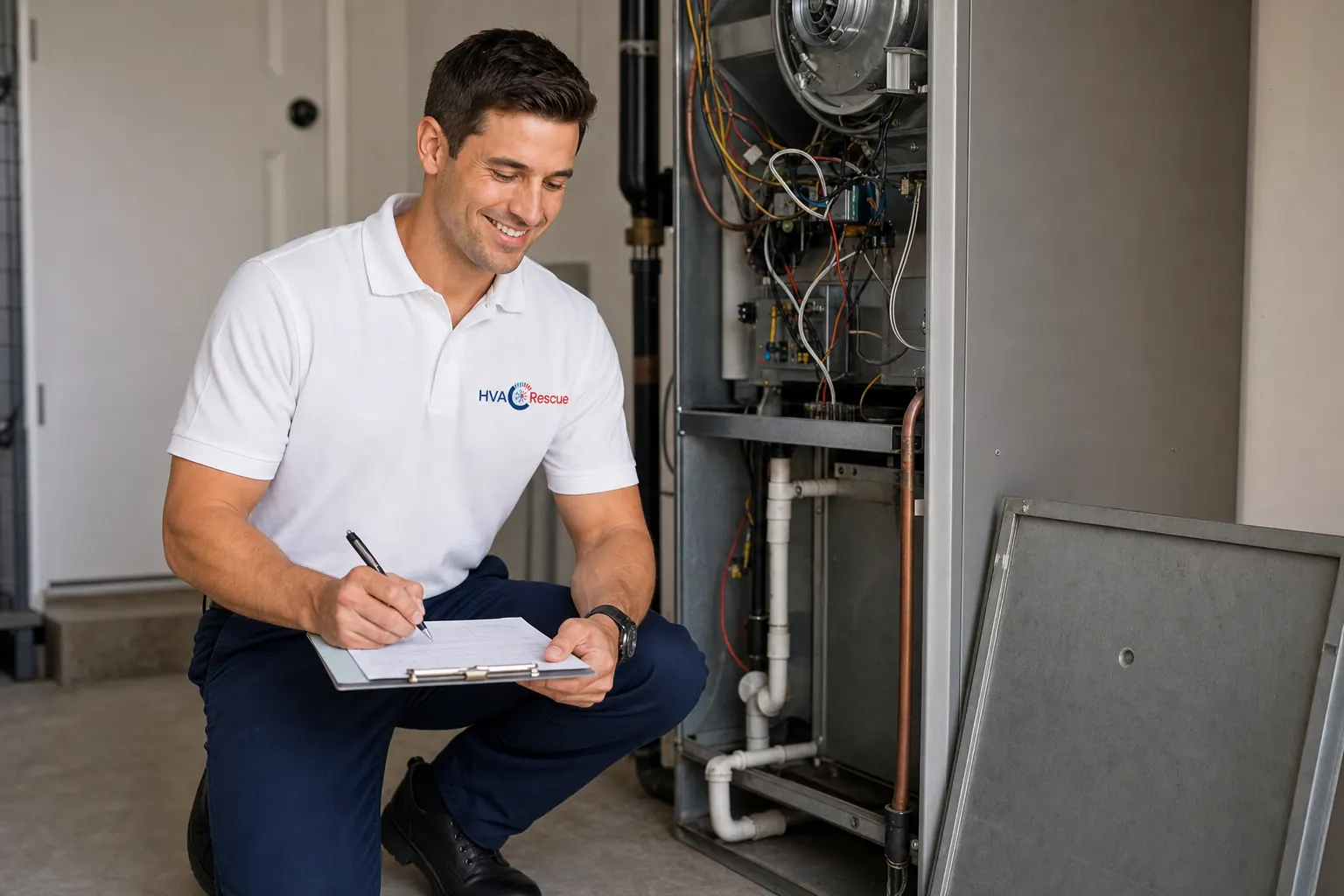
A qualified technician starts with the symptom, then narrows the fault by checking how the thermostat, airflow, electrical components, and heating or cooling equipment are working together. The useful result is a diagnosis that separates the immediate problem from larger system issues, instead of guessing at one part and hoping it fixes the comfort complaint.
- 1
Identify the symptom
Describe what the system is doing — no heat, no cooling, poor airflow, noises, or high bills.
- 2
Check homeowner-safe items
Confirm thermostat settings, the air filter, open vents, and the breaker before anything else.
- 3
Connect with HVAC help
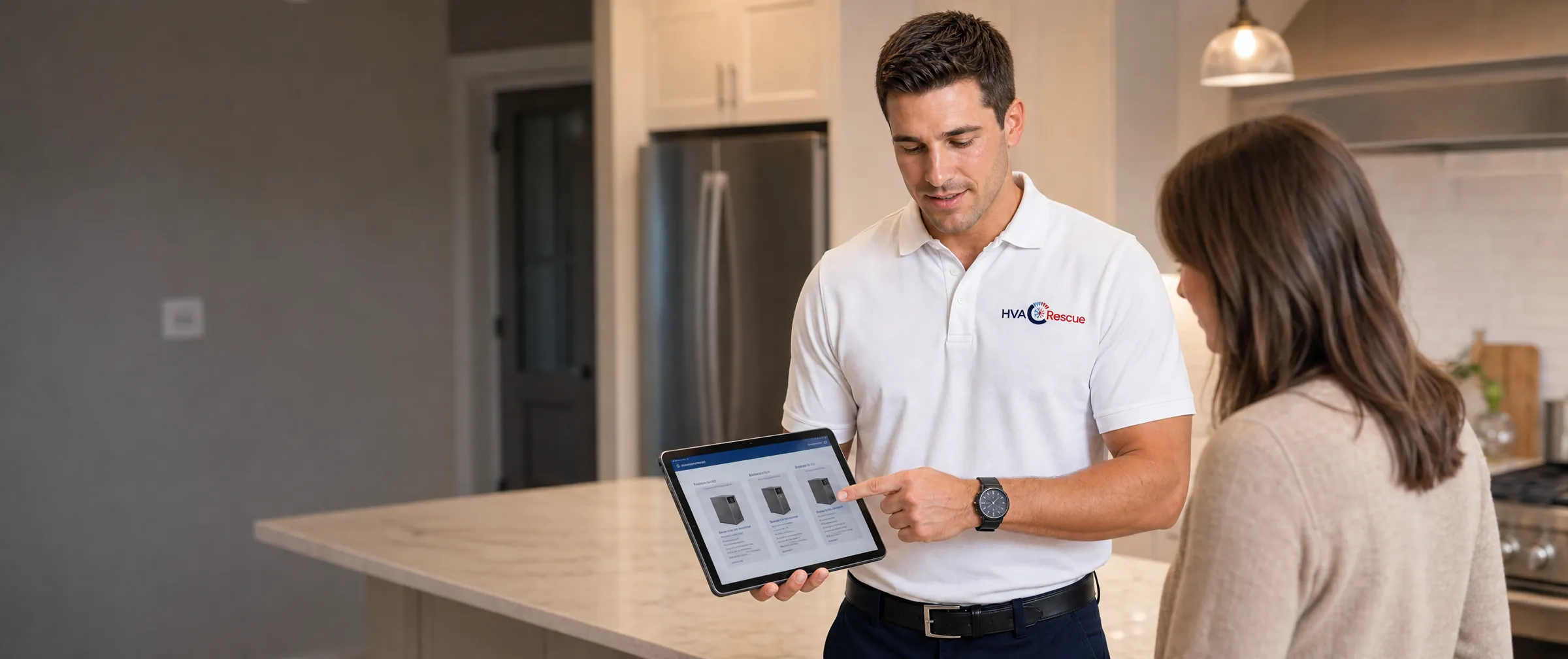
HVAC Rescue helps match your issue to the right service and connect you with professionals that work in your area.
- 4
Inspect and diagnose
A technician inspects the thermostat, airflow, electrical components, and equipment to find the root cause.
- 5
Repair, replace, or maintain
Based on the diagnosis, they repair, replace parts, clean the system, or recommend next steps.
- 6
Confirm performance
The system is tested to confirm proper heating or cooling before normal use resumes.
Why homeowners use HVAC Rescue
- One call connects you with HVAC pros who service your area
- Help for repair, maintenance, replacement, and emergencies
- Plain-English guidance on what is likely wrong before anyone visits
- No pressure and no obligation to book
- Available nationwide, year-round
- We point you to the right service for your system, not an upsell
HVAC: common questions
What does general HVAC service include?
How do I know if I need HVAC service or HVAC repair?
Can a dirty filter really make the whole house feel off?
Why does my system keep turning on and off too often?
Should I shut the system off if it smells strange?
Sources and fact-checking
Reviewed July 22, 2026. We favor primary government and standards sources for safety, efficiency, and regulatory claims. These references support the technical and consumer guidance on this page.
- Heating and cooling maintenance checklistENERGY STARProfessional tune-up scope, filters, airflow, coils, drains, and safety checks.
- Clean heating and coolingENERGY STARCentral-system sizing, efficiency, replacement planning, installation, and maintenance.
- Air cleaners and air filters in the homeU.S. Environmental Protection AgencyFilter performance, indoor-air limitations, and proper use of portable and HVAC filters.