Reviewed July 25, 2026
HVAC Rescue Editorial Team
Editorial StandardsWhy HVAC size matters more than most homeowners think
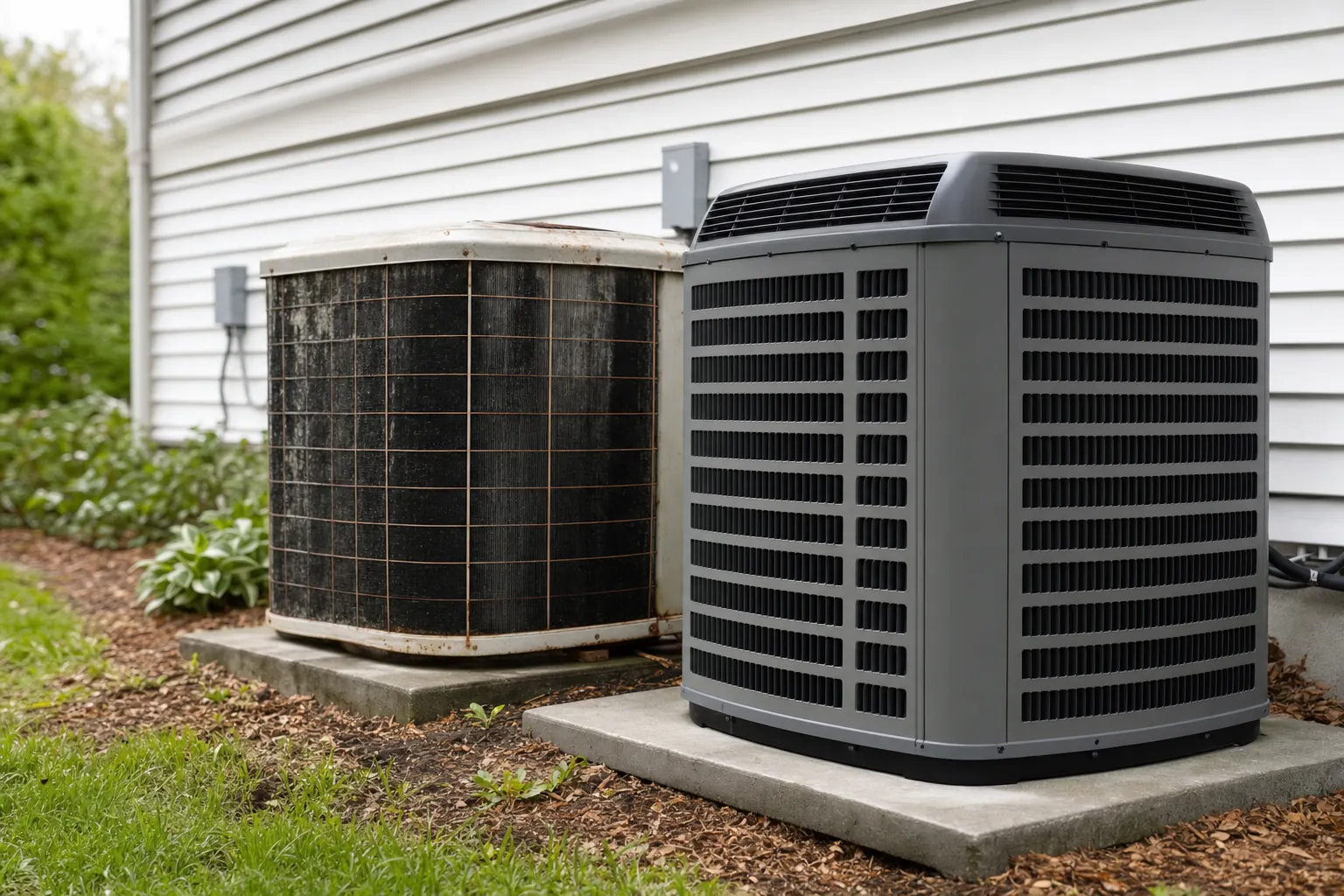
Choosing the right size heating and cooling system is not about getting the most powerful unit you can afford. It is about matching the equipment to the amount of heating and cooling your home actually loses and gains. A system that is too large or too small can miss the mark on comfort, efficiency, humidity control, noise, and equipment life. The result is often a home that never feels quite right, even if the equipment is new and expensive.
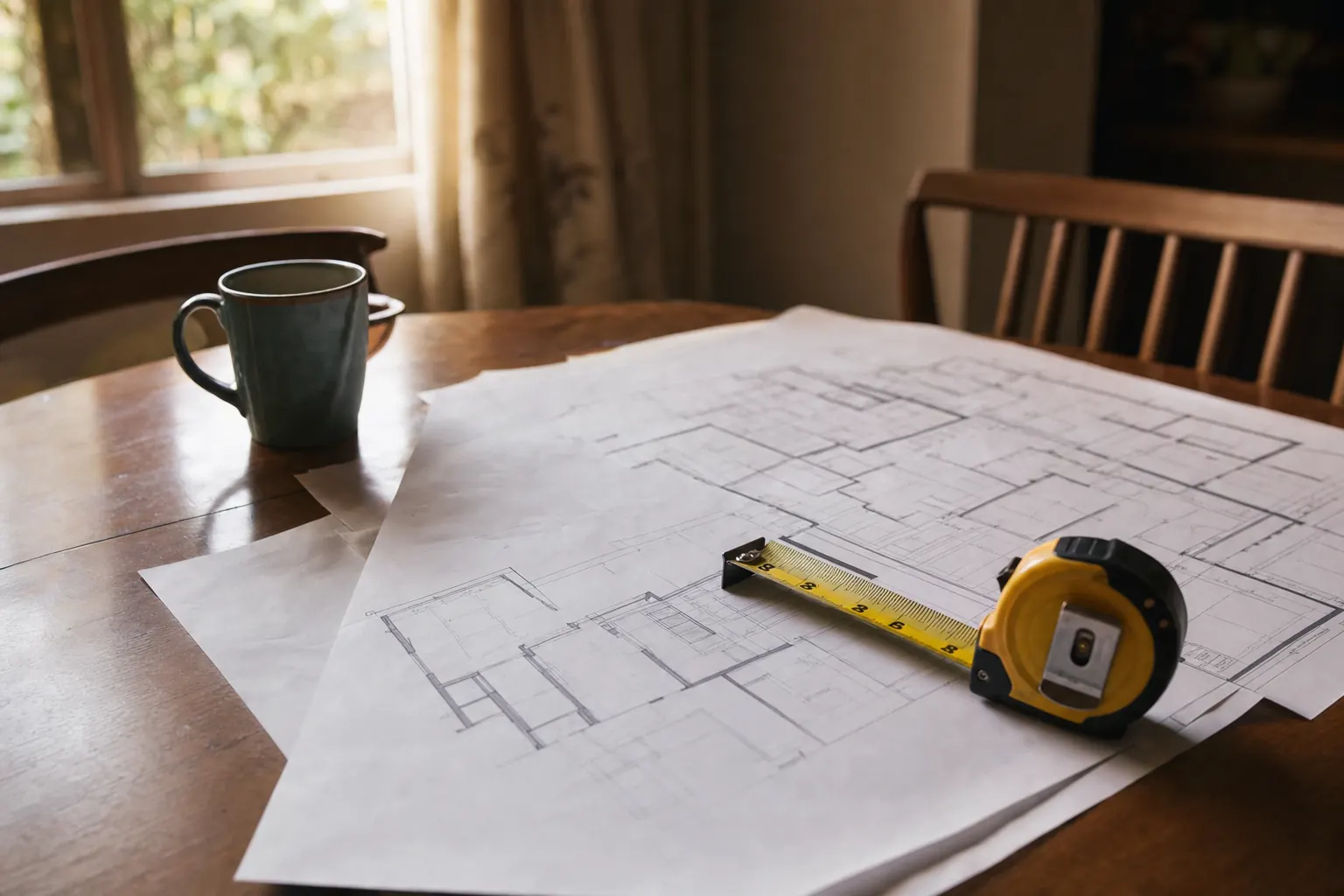
This is why sizing should be treated as a technical calculation, not a sales shortcut. A proper recommendation starts with measuring the home and calculating its heating and cooling load room by room or for the house as a whole. That process is more detailed than using square footage alone or simply replacing the old unit with the same size. HVAC Rescue helps homeowners find independent HVAC contractors who can evaluate the home and explain the reasoning behind a size recommendation.
Why bigger is not better
Many homeowners assume an oversized air conditioner or heat pump will cool faster and therefore do a better job. It is true that a larger system can lower the temperature quickly, but that is only part of the job. Air conditioning also removes moisture. If the system satisfies the thermostat too fast, it shuts off before it has run long enough to pull enough humidity out of the air. The house may reach the set temperature but still feel sticky, cool, and clammy.
Oversizing also leads to short cycling, meaning frequent starts and stops instead of longer, steadier run times. Starting is one of the harder parts of a cycle for motors and compressors. A system that turns on and off every few minutes can wear faster, make more noise, and create larger temperature swings from room to room. In homes with single-stage equipment, oversizing can be especially noticeable because the system is either fully on or fully off, with little ability to match lighter conditions.
- An oversized air conditioner may cool the thermostat area quickly while leaving bedrooms or far rooms uneven.
- Short run times often mean poorer humidity removal during mild but muggy weather.
- Frequent cycling can reduce efficiency because the system repeatedly pays the energy penalty of starting.
- Oversized equipment may need larger duct capacity than the home's ductwork can deliver, which can increase noise and airflow problems.
Why undersizing is a problem too
A system that is too small has the opposite problem. Instead of running in controlled cycles, it can run for very long stretches or nearly all day during peak weather and still fail to reach the thermostat setting. That can leave the house warm on the hottest afternoons or chilly on the coldest mornings. Some amount of long runtime is normal for well-sized equipment during design conditions, but there is a difference between steady operation and a system that simply cannot catch up.
Undersizing often shows up first in the rooms that are hardest to condition. Upstairs bedrooms, bonus rooms over garages, and areas with large west-facing windows may remain uncomfortable even when the rest of the house seems acceptable. The constant demand can also raise utility bills and increase wear over time. For heating equipment, undersizing can be especially noticeable during cold snaps, when the system may rely heavily on electric resistance backup heat or still fall short of the set point.
That said, there is nuance here. A carefully sized variable-speed heat pump or air conditioner may run for long periods by design, because modulating output up and down is how it maintains even temperatures efficiently. Runtime alone does not prove a system is undersized. What matters is whether it can maintain comfort at expected outdoor conditions without excessive swings, excessive backup heat, or obvious strain.
What actually determines the right size
Proper sizing is usually based on a load calculation, often referred to as a Manual J calculation in the residential HVAC trade. The idea is simple: estimate how much heat the house gains in summer and loses in winter, then select equipment whose capacity matches those needs. Two houses with the same square footage can have very different loads if one has better attic insulation, tighter construction, shaded windows, lower ceilings, or a different orientation to the sun.
Square footage matters, but it is only one input. A 2,000-square-foot ranch in a mild climate with good insulation may need far less cooling and heating capacity than a 2,000-square-foot two-story home with older windows and significant air leakage. Contractors also look at the direction windows face, because west and south exposures can add substantial summer heat gain. Skylights, recessed lights into the attic, chimney chases, crawlspaces, and attached garages can all affect the load.
- Insulation levels in the attic, walls, and floors affect how quickly the home gains or loses heat.
- Window area, glass type, shading, and orientation can change cooling load significantly from one house to another.
- Air leakage around doors, attic hatches, ducts, and penetrations can add to both heating and cooling demand.
- Ceiling height and room volume matter because conditioning more cubic feet of air is different from conditioning the same floor area with 8-foot ceilings.
- Occupants, lighting, appliances, and cooking add internal heat that influences cooling load.
- Duct location and condition matter because ducts in a hot attic or vented crawlspace can lose a meaningful amount of delivered capacity.
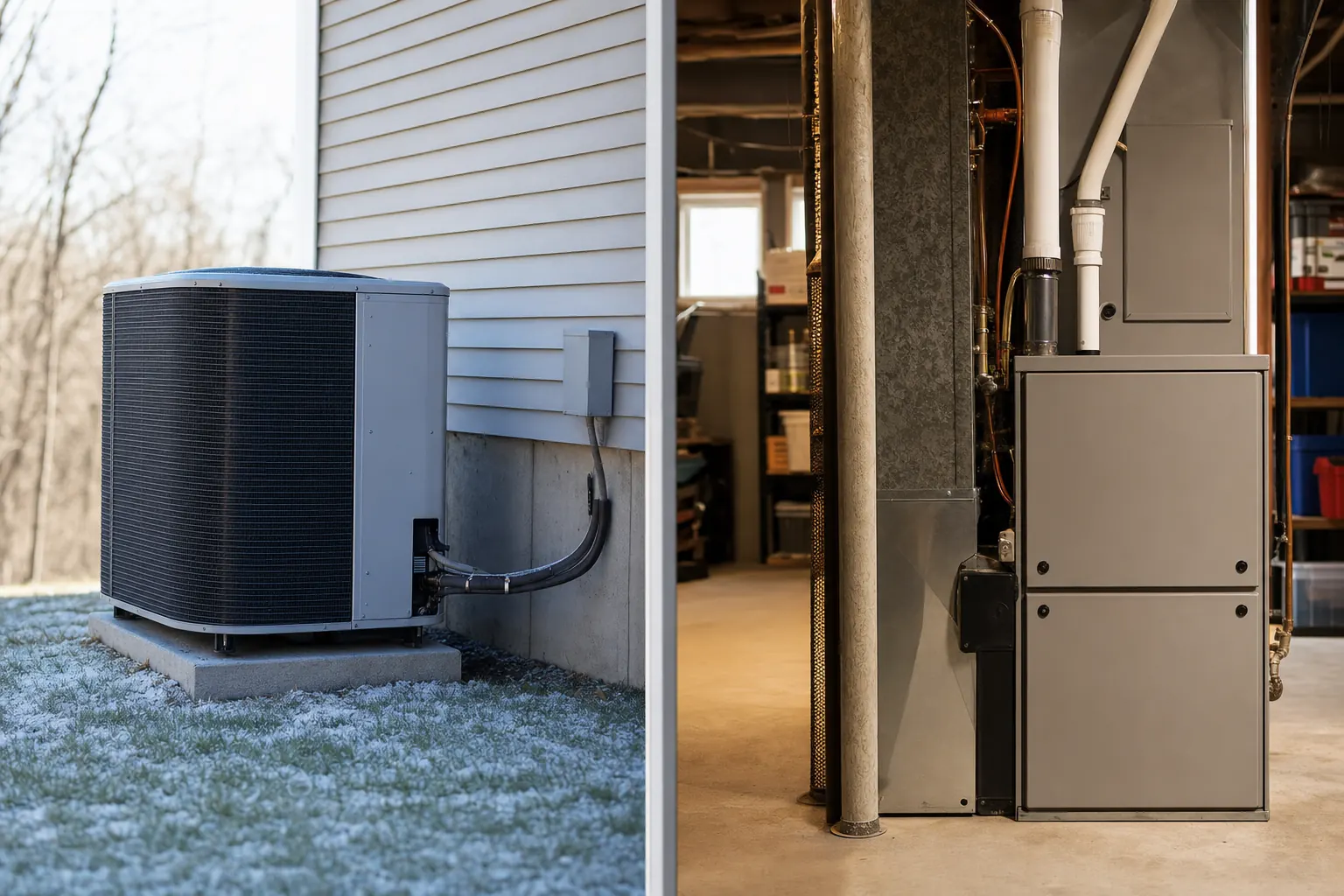
The output of the heating equipment matters too. A furnace with a 100,000 BTU input rating does not deliver 100,000 BTU to the home. Its delivered heat depends on efficiency. For example, a 96 percent AFUE furnace with 100,000 BTU input has about 96,000 BTU of output under rated conditions. Cooling equipment is often discussed in tons, where 1 ton equals 12,000 BTU per hour. A 3-ton air conditioner is roughly 36,000 BTU per hour of cooling capacity, but actual delivered performance still depends on airflow, ductwork, and installation quality.
Why square-foot rules of thumb fail
You may hear rules like one ton for every 500 square feet or a furnace size based only on floor area. Those shortcuts can sometimes land in the general neighborhood, but they are not reliable enough for purchase decisions. They ignore climate, insulation, window performance, infiltration, and the house layout. In one region, 2,000 square feet might reasonably pair with a 2. 5-ton system. In another, the same size home might need 4 tons or more. The shortcut does not tell you which one applies.
Replacing the old unit with the same nominal size can be just as misleading. The existing system may have been oversized from day one, or the home may have changed since it was installed. Air sealing, new windows, attic insulation, a finished basement, or an addition can all change the load. Even if the old system seemed acceptable, that does not prove the size was correct. It only proves the home adapted to it well enough that the problems were tolerated.
The duct system can also limit what size equipment makes sense. A larger air conditioner generally needs more airflow, often around 350 to 400 cubic feet per minute per ton depending on equipment and climate. If the duct system cannot move that air without excessive static pressure, upsizing the equipment can backfire. You can end up with noisy registers, weak airflow in some rooms, coil issues, reduced efficiency, and worse comfort rather than better performance.
How contractors size a system and what to ask
A thorough contractor visit usually includes measuring the home, checking insulation levels where visible, noting window sizes and directions, evaluating duct layout, and asking about comfort problems in specific rooms. They may inspect the attic, crawlspace, basement, or mechanical room to understand duct losses and leakage points. They should also ask about occupancy patterns, thermostat settings, and whether parts of the home have been remodeled. This is the groundwork for a real load calculation rather than a fast guess.
After the load calculation comes equipment selection. In the trade, this is often tied to Manual S, which matches the chosen equipment's performance data to the calculated load. That matters because equipment capacity changes with outdoor temperature and indoor conditions. A heat pump that is labeled 3 tons may not deliver the same heating output at 17 degrees Fahrenheit as it does at 47 degrees. Good sizing means looking beyond the model label to the performance tables.
- Ask whether the recommendation is based on a Manual J or similar room-by-room load calculation.
- Ask what indoor and outdoor design temperatures were used for your location.
- Ask whether your ductwork was evaluated for airflow and static pressure, not just equipment size.
- Ask how the contractor handled known problem rooms, such as upstairs bedrooms or rooms over garages.
- Ask for the model numbers being proposed so capacities and efficiency ratings can be checked.
If two bidders recommend different sizes, that does not automatically mean one is wrong. One may be proposing a single-stage system and another a two-stage or variable-speed system that can better handle part-load conditions. But the contractor should be able to explain the logic plainly. Vague answers like this is what we always put in homes this size are a warning sign. A homeowner does not need to perform the calculation personally, but should expect a clear, specific explanation.
Matching size to equipment type and your comfort goals
The right size also depends on what kind of equipment you are buying. Single-stage systems run at one full output, so exact sizing is especially important to avoid short cycling or chronic underperformance. Two-stage systems can operate at a lower output much of the time and step up when needed, which can improve comfort and humidity control. Variable-speed or inverter-driven systems can modulate across a wide range, often making them more forgiving and better at maintaining steady indoor conditions.
This does not mean variable-speed equipment can solve every sizing mistake. Even modulating systems have minimum and maximum capacities. If the maximum is too low, the system may still struggle in extreme weather. If the minimum is too high for the home's light-load conditions, it may still cycle more than ideal. Proper load calculations still matter. The benefit is that well-matched modulating equipment can stay closer to the actual load for more hours of the year, which usually helps comfort.
Humidity deserves special attention in cooling climates. Homeowners often focus only on temperature, but relative humidity strongly affects how the house feels. Around 45 to 55 percent indoor relative humidity is often a comfortable target in summer, though actual indoor conditions vary by climate and home. A right-sized system that runs long enough tends to control humidity better than an oversized one. If humidity has been a recurring problem, ask whether the recommendation addresses airflow settings, thermostat strategy, and the need for supplemental dehumidification.
Typical sizes, costs, and how to make a buying decision
Many homes end up with cooling systems somewhere in the 1. 5-ton to 5-ton range, and furnaces commonly fall around 40,000 to 120,000 BTU input. Those numbers are broad and not a shortcut for your house. They are useful only as context when reading proposals. A small, efficient home in a moderate climate may need less equipment than neighbors expect, while an older, leakier home in a harsher climate may need more. The calculation should settle the question, not a rough average.
Installed cost depends on equipment type, efficiency tier, duct modifications, electrical work, controls, and local labor conditions. Central air conditioner replacement, gas furnace replacement, and a whole heat pump system each have a separate standardized pricing scenario. Use the scenario for the equipment actually being quoted rather than borrowing a nearby range from another system type. Variable-speed equipment, major duct repairs, zoning changes, line-set replacement, and panel upgrades can push projects higher. The lowest bid is not always the best value if the sizing work is thin.
A practical buying approach is to compare at least two or three detailed proposals, then focus on how each contractor arrived at the size, not just on the brand name or SEER2 rating. Read the scope for duct changes, airflow adjustments, and thermostat setup. If one proposal includes load calculations and duct evaluation and another does not, that difference matters. Correct sizing is foundational. Even excellent equipment cannot deliver good comfort if it is matched poorly to the home.
Sources and fact-checking
Reviewed July 25, 2026. We favor primary government and standards sources for safety, efficiency, and regulatory claims. These references support the technical and consumer guidance on this page.
- Manual J residential load calculationAir Conditioning Contractors of AmericaRoom-by-room heating and cooling load calculations used for equipment sizing.
- Clean heating and coolingENERGY STARCentral-system sizing, efficiency, replacement planning, installation, and maintenance.
- ENERGY STAR heating and cooling guidanceENERGY STAREfficiency, replacement planning, qualified equipment, and contractor questions.