Reviewed July 27, 2026
HVAC Rescue Editorial Team
Editorial StandardsWhen you need heating repair
Heating repair is the right starting point when the house is not warming properly but the exact cause is still unknown. This fits problems like no heat at all, cool air from the vents in heat mode, short cycling, or rooms that stay cold while other areas feel normal. The issue may be in the thermostat, controls, airflow, blower, or the heating equipment itself, so the symptom matters more than the equipment name at first.
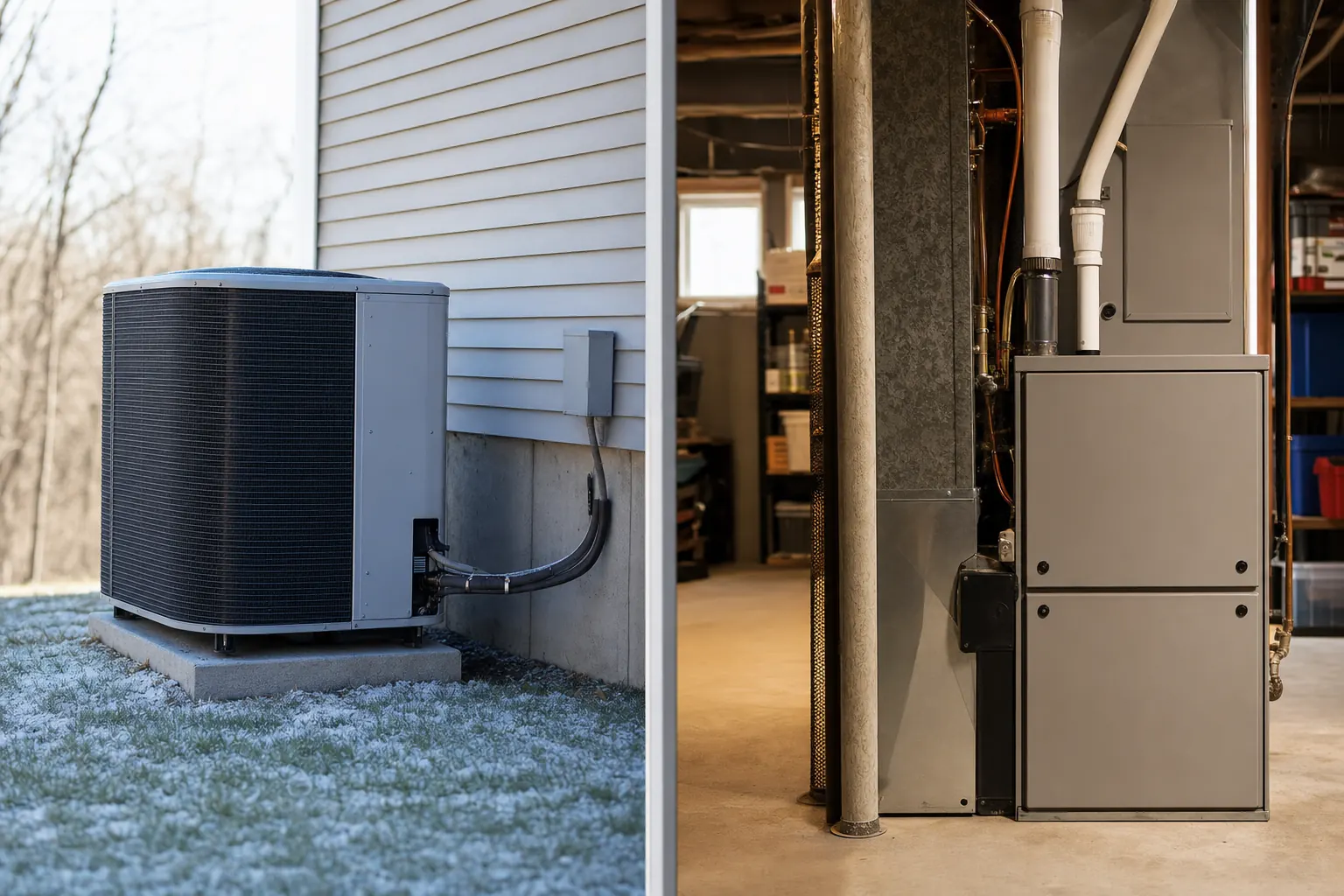
This page stays broader than furnace repair, heat pump repair, or boiler repair. If you already know the problem is specific to one system type, a more targeted page may fit better. If you do not know whether the fault is in the furnace, heat pump, boiler, controls, or air distribution, heating repair is the better match because diagnosis comes before part replacement.
The decision this service should answer
Identify whether the no-heat or weak-heat complaint comes from controls, airflow, fuel, ignition, distribution, a heat pump, a furnace, or a boiler.
Heating repair should establish safe operation and the actual heating sequence before narrowing the fault, especially when fuel-burning and electric systems can produce similar room symptoms.
Common problems
Start with the symptom you notice
Common causes
- Thermostat or control issue
- If the thermostat is not calling for heat correctly, the system may not start at all or may stop before the house reaches the set temperature. Control faults can also create uneven heating because the equipment does not run when it should.
- Ignition or flame trouble
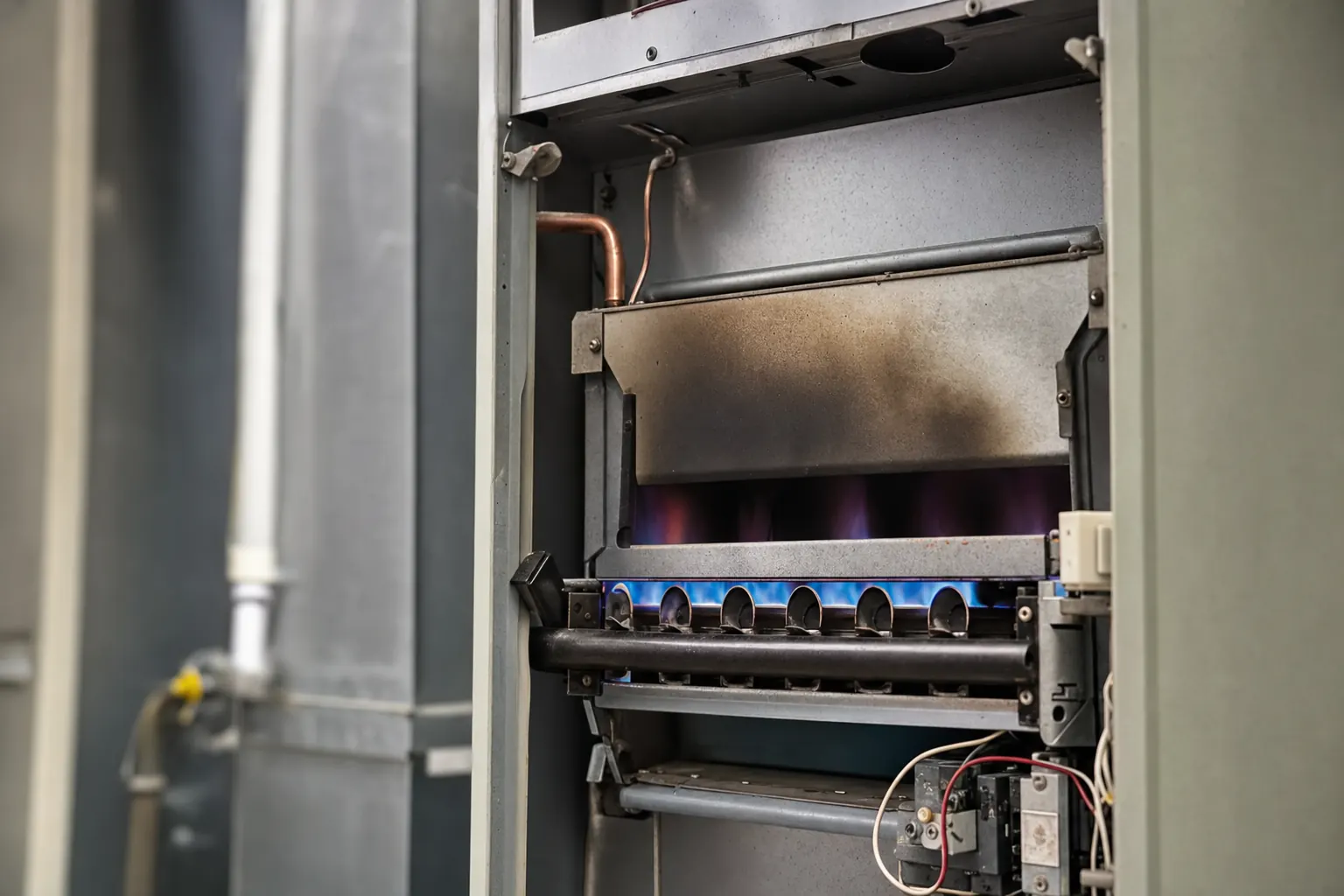
- On a furnace, ignition parts and the flame-sensing system control whether heat can start and stay on. When those parts fail, the furnace may try to start, shut off quickly, or blow cool air because the heating cycle never completes.
- Blower motor problems
- The blower moves warmed air through the house. A failed blower motor or capacitor can reduce airflow, leave some rooms cold, or cause the system to overheat and shut down early instead of completing a normal heating cycle.
- Restricted airflow
- A clogged filter or closed vents can choke airflow. That can make rooms heat unevenly, reduce warm air at the registers, or cause short cycling because the system cannot move enough air across the heating components.
- Heat pump heating faults
- A heat pump can feel like it has no heat when it is stuck in defrost, not switching fully into heat mode, or not delivering expected warm air. To a homeowner, the symptom may simply feel like cool airflow or a house that keeps falling behind.
What you can safely check first
A few basic checks are safe because they focus on settings, airflow, and power you can see without opening panels or handling parts. Stop there. Anything involving gas, burners, ignition, wiring, high voltage, or internal components should be left to a qualified professional.
Set the thermostat correctly
Make sure the thermostat is set to heat and the target temperature is above the current room temperature. If nothing starts after that change, the problem may be beyond a simple setting issue.
Replace a dirty filter
If the air filter looks loaded with dust, replace it. A clogged filter can reduce airflow enough to cause weak heat, uneven heating, or short cycling.
Open vents and registers
Check that supply vents and registers are open and not blocked by rugs, furniture, or closed dampers you can access normally. If several rooms improve after opening airflow paths, the problem may be distribution-related rather than a total equipment failure.
Check power and switch
See whether the heating system breaker has tripped and make sure the furnace or air handler switch is on. If power appears normal and there is still no heat, the fault likely needs professional diagnosis.
When to call a professional
Call for heating repair if the system still does not heat normally after those basics, or if it starts but behaves in a way that suggests a control, airflow, ignition, or mechanical fault. Certain warning signs also mean the equipment should be shut off and the home left immediately.
- No heat after basics
- If thermostat settings, filter, vents, breaker, and the system switch all look normal but the house still has no heat, the problem is no longer a simple homeowner fix. Leave diagnosis of internal controls and components to a qualified technician.
- Gas smell or alarm
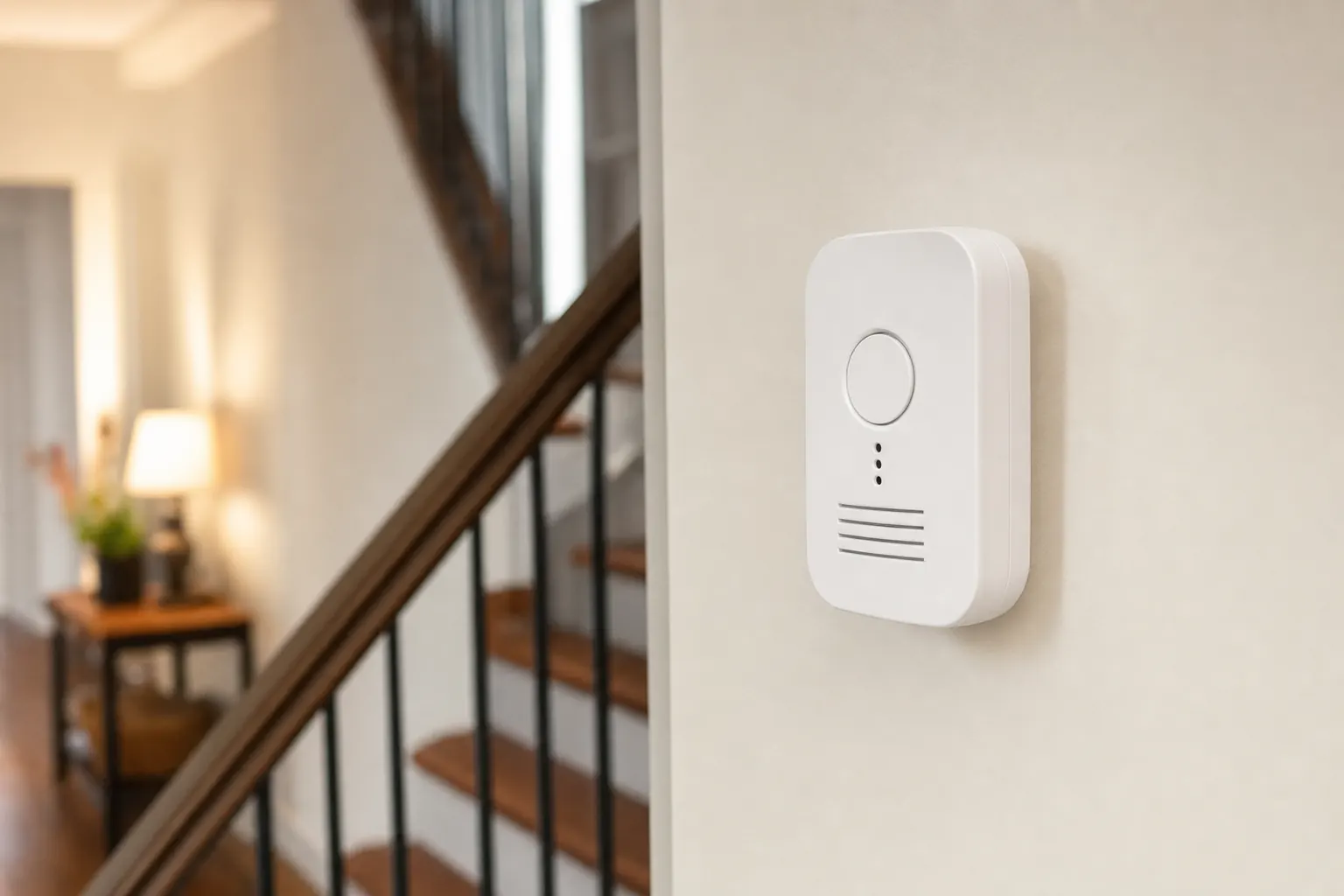
- If you smell gas, a carbon-monoxide alarm sounds, or there is smoke or a burning-electrical smell, leave the building and contact the gas utility or emergency services from outside. Do not keep troubleshooting, and do not keep the system running.
- Burning marks or scorching
- Visible scorching or a burning smell can point to overheating or electrical damage. Shut the system off and have it inspected before using it again.
- Banging or grinding sounds
- Grinding or banging during a heating cycle can mean a failing motor, airflow problem, or another mechanical fault. Shut the system off if the noise is strong or worsening, because continued operation may cause more damage.
How much does heating repair cost?
Furnace repair scope depends on the failed component, furnace type, diagnosis, access, controls, venting, labor, and urgency. This guide explains the common cost drivers and comparison questions.
Heating repair quotes can vary because the same symptom can come from very different causes. A simple airflow or control problem is not the same job as a failed motor, ignition issue, or equipment-specific repair on a furnace, heat pump, or boiler. The final quote usually depends on what failed, how accessible the part is, and how much diagnostic work is needed to prove the repair under normal operation.
| Furnace Repair Cost | Typical range |
|---|---|
| Minor repair (igniter, flame sensor, filter)Common, affordable fixes. | $170 – $575 |
| Moderate repair (blower motor, control board)Mid-range parts and labor. | $500 – $1,575 |
| Major repair (heat exchanger)A cracked heat exchanger often points toward replacement. | $1,300 – $3,900 |
Cost ranges are estimates developed from standardized project scopes and reviewed pricing inputs. Government labor and regional cost data are used where applicable. See our Pricing Methodology for the exact sources, calculations, and review date. Actual prices vary by property, scope, materials or equipment, location, and provider.
See the full furnace repair cost guide for the complete breakdown, then call to get a real quote for your home.
Get help with heating repair
One quick call connects you with HVAC pros who service your area. No pressure, no obligation.
What happens during service
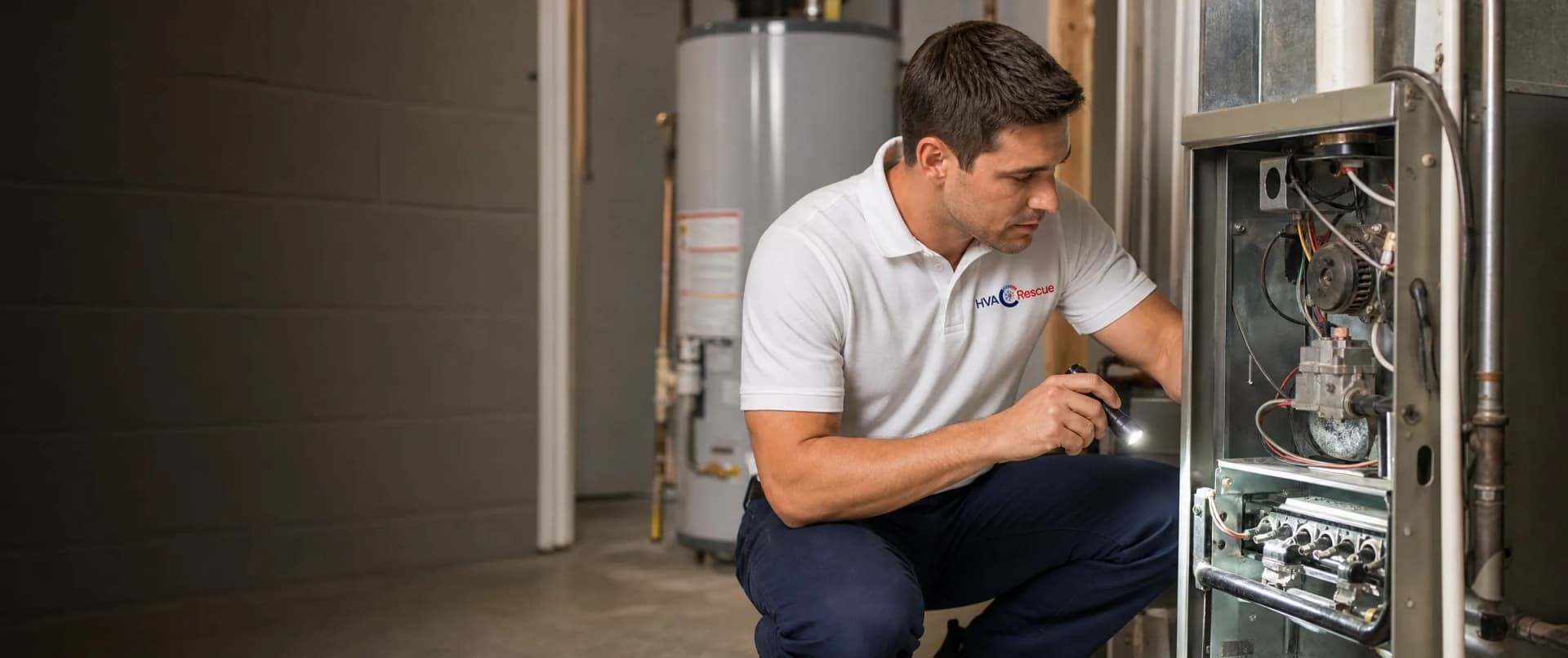
A qualified technician narrows the fault by matching the symptom to system behavior instead of guessing at parts. That usually means checking controls, power, airflow, and how the heating cycle starts, runs, and shuts down on the actual equipment type before any repair is confirmed.
- 1
Identify the symptom
Note whether there is no heat, weak heat, or uneven heat, and when it began.
- 2
Run safe checks
Confirm thermostat, filter, vents, breaker, and the system switch.
- 3
Connect with a pro
HVAC Rescue helps connect you with heating repair professionals that service your area.
- 4
Diagnose the heat source
The technician checks the furnace, heat pump, or boiler, plus controls and airflow.
- 5
Repair and confirm heat
Repairs are made and heating performance is verified before normal use.
Why homeowners use HVAC Rescue
- One call connects you with HVAC pros who service your area
- Help for repair, maintenance, replacement, and emergencies
- Plain-English guidance on what is likely wrong before anyone visits
- No pressure and no obligation to book
- Available nationwide, year-round
- We point you to the right service for your system, not an upsell
Heating Repair: common questions
Is heating repair the right page if I do not know what part failed?
Why is my heater blowing cool air when the thermostat is set to heat?
Can a dirty filter really cause heating problems?
What sounds mean I should stop using the heater?
What will a technician usually check during heating repair?
Sources and fact-checking
Reviewed July 27, 2026. We favor primary government and standards sources for safety, efficiency, and regulatory claims. These references support the technical and consumer guidance on this page.
- Heating and cooling maintenance checklistENERGY STARProfessional tune-up scope, filters, airflow, coils, drains, and safety checks.
- FurnacesENERGY STARResidential furnace efficiency, equipment features, buying guidance, and replacement considerations.
- Carbon monoxide fact sheetU.S. Consumer Product Safety CommissionCarbon-monoxide sources, alarm placement, annual heating-system inspection, and emergency precautions.
- Stay safe while staying warm this winterU.S. Consumer Product Safety CommissionFuel-burning heating-system inspection, blocked-vent risks, and carbon-monoxide safety precautions.
- How to avoid a home improvement scamFederal Trade CommissionWritten estimates, contractor verification, payment cautions, and fraud warning signs.