Reviewed July 27, 2026
HVAC Rescue Editorial Team
Editorial StandardsWhen you need emergency HVAC repair
Emergency HVAC repair is the right starting point when heating or cooling has failed in a way that makes the home unsafe, or could become unsafe quickly. This includes no AC during dangerous heat, no heat in cold weather, a full system shutdown that will not restart, or a home where a medically vulnerable person needs stable indoor temperatures. It also applies when you see ice on the system, smell burning, or see sparking from the equipment.
This is narrower than a general HVAC repair visit. A noisy unit that still runs, weak airflow in one room, damaged ductwork, or a thermostat upgrade usually belongs on a different service page. Emergency HVAC repair is for an urgent loss of heating or cooling, or a shutdown tied to a possible safety issue.
The decision this service should answer
Separate an immediate life-safety hazard from an urgent loss of heating, cooling, airflow, or property protection.
Emergency HVAC begins with triage: protect people first, prevent avoidable equipment or property damage second, and diagnose only after the site is safe.
Common problems
Start with the symptom you notice
Common causes
- Compressor or motor failure
- The compressor and fan or blower motors move heat and air through the system. If one fails, the unit may stop completely, blow room-temperature air, or run without actually cooling or heating the home.
- Control board problem
- The control board coordinates startup and safety checks. When it fails, the thermostat may call for heating or cooling but the equipment may not respond, may shut down early, or may lock out and refuse to restart.
- Electrical or safety trip
- A tripped breaker, float switch, or other safety device can shut the system down to prevent damage. The symptom is often sudden loss of operation, especially if the thermostat appears normal but the equipment does nothing.
- Refrigerant loss or ice
- On the cooling side, low refrigerant or restricted airflow can let the coil get too cold and freeze. Ice blocks airflow and can stop cooling altogether, even if the blower still runs.
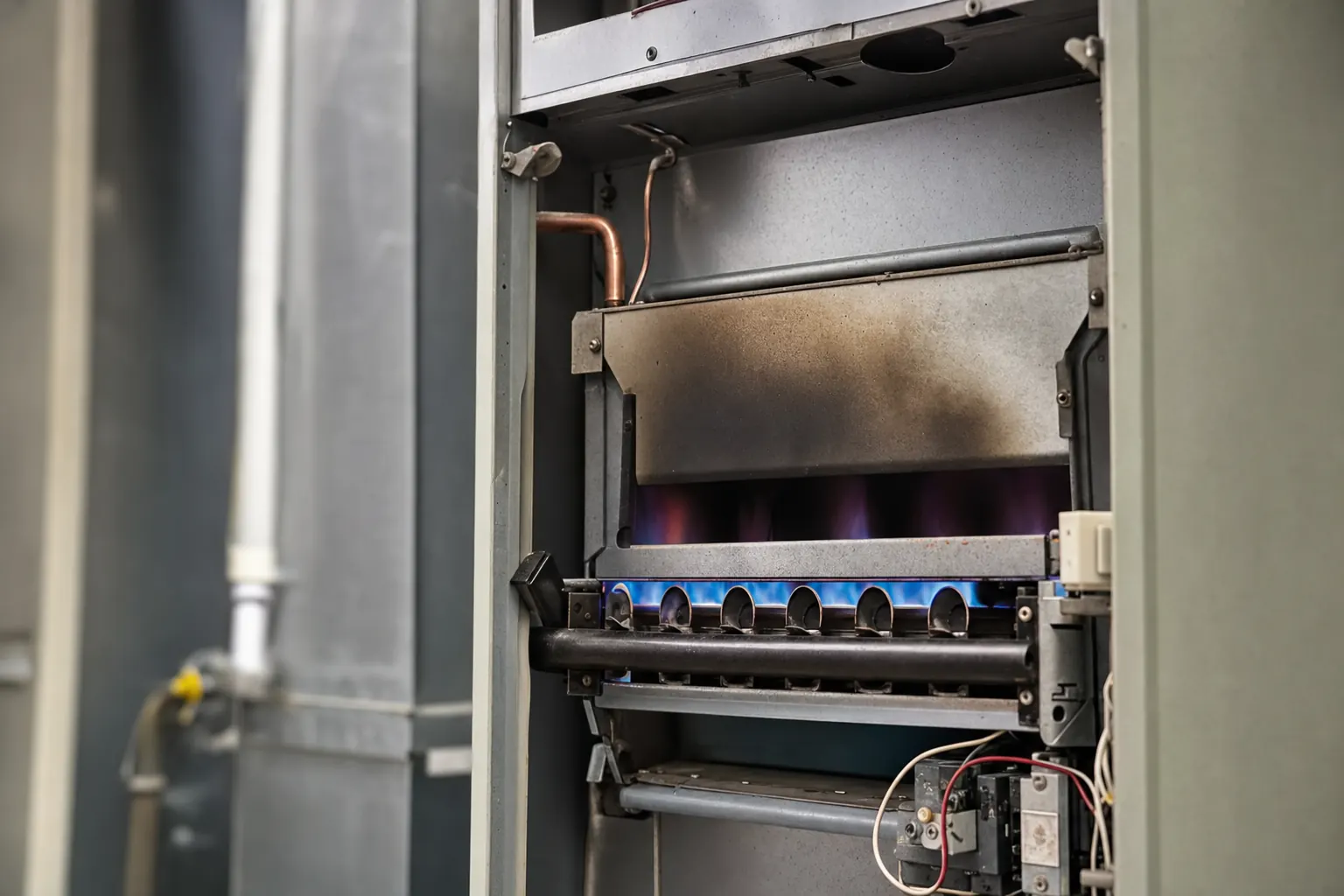
- Ignition sensor trouble
- On the heating side, a problem with ignition or flame sensing can keep the furnace or heat pump from producing heat. The unit may try to start, then shut itself back off because it cannot complete the normal heating sequence safely.
What you can safely check first
Homeowner checks should stay simple and safe. The goal is only to rule out a few obvious problems and gather useful observations, not to open panels, test wires, or force the system to run. If there is a gas smell, a carbon-monoxide alarm, smoke, or a burning-electrical smell, leave the building and contact the gas utility or emergency services from outside.
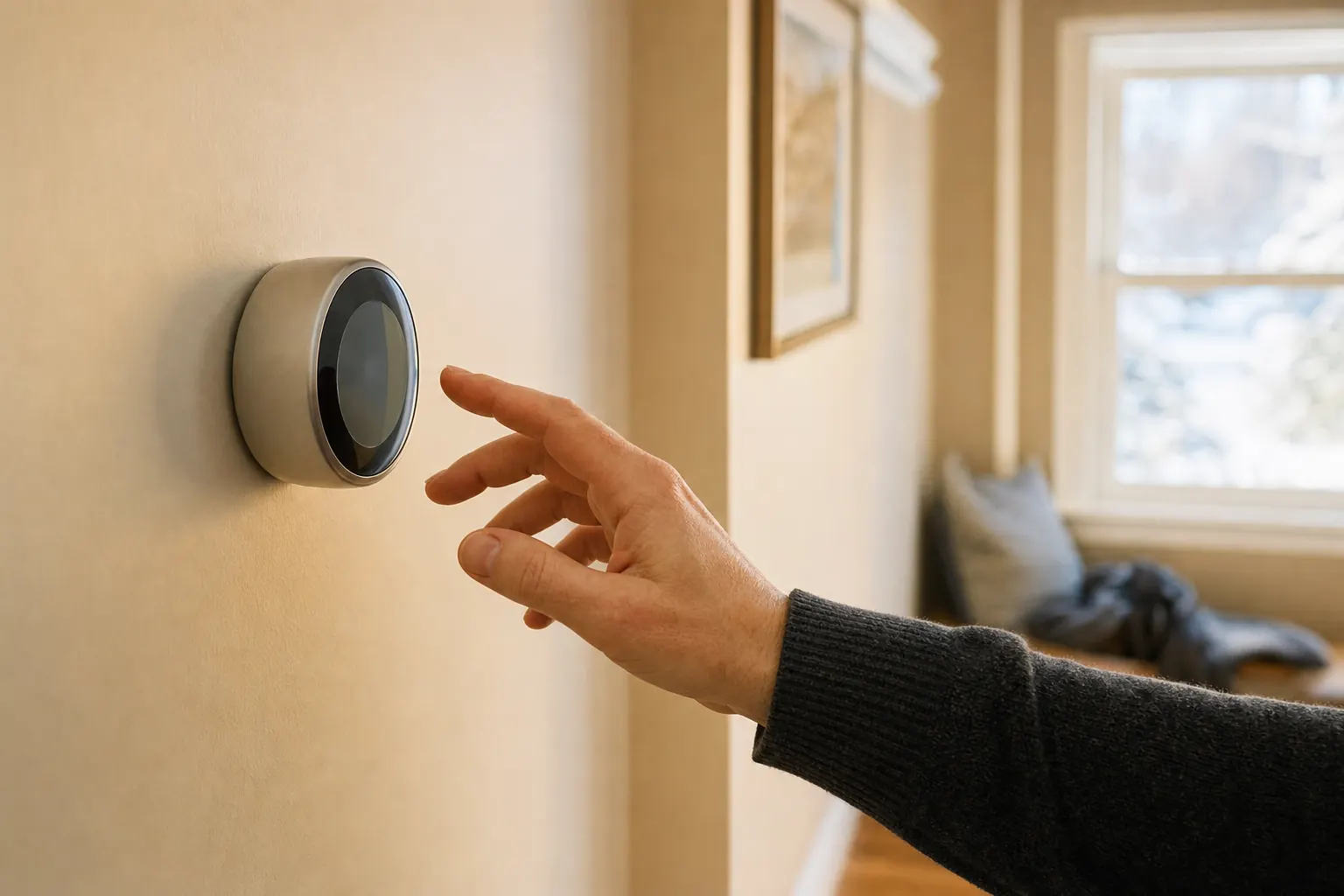
Confirm thermostat settings
Make sure the thermostat is on the correct mode and set far enough above or below room temperature to call for heat or cooling. If the setting was wrong and the system starts normally, the issue may be limited to controls rather than a major equipment failure.
Check the breaker once
See whether the HVAC breaker has tripped. You can reset it one time. If it trips again or the system still will not start, stop there. Repeated resets can point to an electrical fault and should be handled by a qualified professional.
Look at the air filter
If the filter is severely clogged, replace it. A blocked filter can reduce airflow enough to freeze the coil on an AC or heat pump. If you already see ice on the equipment or refrigerant lines, turn the system off instead of trying to keep it running.
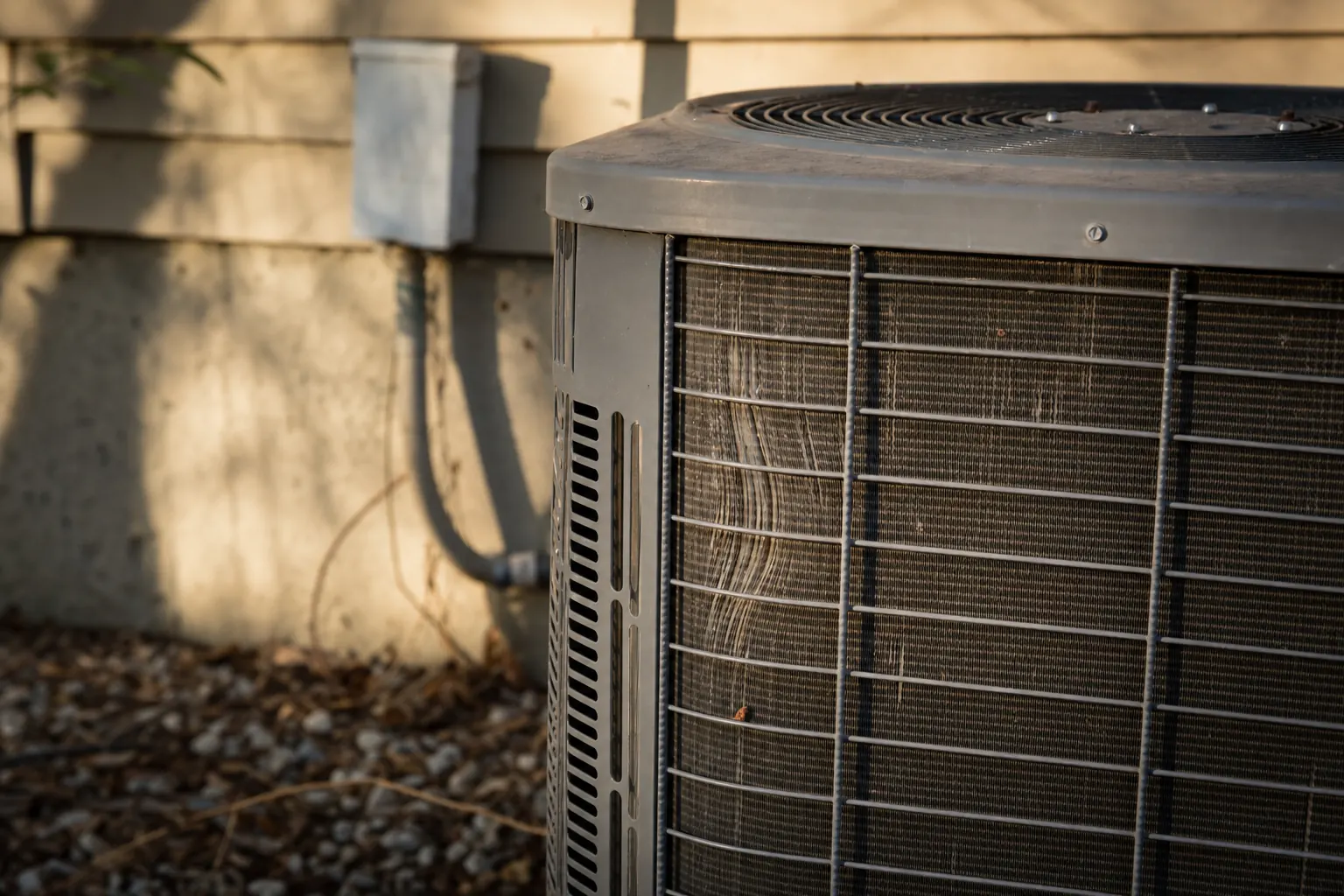
Clear around the outdoor unit
Make sure the outdoor unit is not packed with debris or ice. Restricted airflow can keep the system from shedding or absorbing heat properly. If clearing the area does not restore normal operation, the problem is likely inside the equipment and needs diagnosis.
When to call a professional
Call for urgent professional help when indoor conditions are becoming unsafe, the system will not recover after basic checks, or there are signs of equipment damage. In some cases the safest step is to shut the system off and leave it off until it can be evaluated.
- Indoor temperature is unsafe
- If the home is getting dangerously hot or cold, this is no longer a routine comfort problem. Fast temperature changes matter even more when children, older adults, or medically vulnerable people are in the home.
- It will not restart
- If the system stays down after thermostat checks and one breaker reset, the failure is likely beyond a simple control issue. Keep the equipment off rather than cycling power over and over, which can hide the symptom or stress components.
- You see ice on it
- Ice on the coil or refrigerant lines usually means the cooling system cannot move heat or air correctly. Shut the system off to help prevent further strain and because accurate testing may require the frozen coil to thaw first.
- You smell burning or see sparking
- These signs can point to overheating or an electrical fault. Turn the system off only if it is safe to do so, and do not try to restart it. A gas smell, carbon-monoxide alarm, smoke, or burning-electrical smell means leave the building and contact emergency help from outside.
How much does emergency HVAC repair cost?
HVAC repair scope depends on the failed part, system type, diagnosis, access, labor, and urgency. This guide explains the common cost drivers and questions to use when comparing itemized proposals.
Emergency repair quotes can vary because the final scope depends on what failed, how hard the fault is to verify, whether the system can be safely restored right away, and whether follow-up parts are needed. Timing can also affect the quote, especially when the problem happens during peak heating or cooling demand or requires urgent after-hours service.
| HVAC Repair Cost | Typical range |
|---|---|
| Minor repair (capacitor, filter, simple part)Small, common fixes. | $173 – $652 |
| Moderate repair (motor, sensor, control board)Mid-range components and labor. | $450 – $1,650 |
| Major repair (compressor, heat exchanger work)Significant parts and labor; sometimes points toward replacement. | $1,867 – $6,600 |
Cost ranges are estimates developed from standardized project scopes and reviewed pricing inputs. Government labor and regional cost data are used where applicable. See our Pricing Methodology for the exact sources, calculations, and review date. Actual prices vary by property, scope, materials or equipment, location, and provider.
See the full HVAC repair cost guide for the complete breakdown, then call to get a real quote for your home.
Get help with emergency hvac repair
One quick call connects you with HVAC pros who service your area. No pressure, no obligation.
What happens during service
A qualified technician starts by making the equipment safe, then narrows the fault through the system's normal sequence of operation. That may include checking whether the thermostat command is reaching the equipment, whether power and controls are present, whether safeties have opened, and which section of the system stopped doing its job. Careful diagnosis matters on an emergency call because the immediate goal is safe restoration, not guessing and swapping parts.
- 1
Make the situation safe
If you smell gas, leave the area and contact the gas utility or emergency services. If you see sparking or burning, turn the system off if it is safe to do so.
- 2
Do quick safe checks
Confirm the thermostat, a single breaker reset, and a clear outdoor unit.
- 3
Call for urgent help
HVAC Rescue helps you connect quickly with HVAC professionals that service your area.
- 4
Rapid diagnosis
The technician prioritizes restoring safe heating or cooling and identifying the failure.
- 5
Stabilize the system
Urgent repairs restore operation, with a plan for any follow-up work needed.
Why homeowners use HVAC Rescue
- One call connects you with HVAC pros who service your area
- Help for repair, maintenance, replacement, and emergencies
- Plain-English guidance on what is likely wrong before anyone visits
- No pressure and no obligation to book
- Available nationwide, year-round
- We point you to the right service for your system, not an upsell
Emergency HVAC Repair: common questions
What counts as an HVAC emergency?
Should I reset the breaker more than once if the system will not start?
Is ice on the HVAC system an emergency?
How is emergency HVAC repair different from general HVAC repair?
What should happen during an emergency HVAC visit?
Sources and fact-checking
Reviewed July 27, 2026. We favor primary government and standards sources for safety, efficiency, and regulatory claims. These references support the technical and consumer guidance on this page.
- Carbon monoxide fact sheetU.S. Consumer Product Safety CommissionCarbon-monoxide sources, alarm placement, annual heating-system inspection, and emergency precautions.
- Stay safe while staying warm this winterU.S. Consumer Product Safety CommissionFuel-burning heating-system inspection, blocked-vent risks, and carbon-monoxide safety precautions.
- Section 608 technician certification requirementsU.S. Environmental Protection AgencyFederal certification requirements for work that can release regulated refrigerants.
- Heating and cooling maintenance checklistENERGY STARProfessional tune-up scope, filters, airflow, coils, drains, and safety checks.