Reviewed July 25, 2026
HVAC Rescue Editorial Team
Editorial StandardsWhat an HVAC tune-up actually is
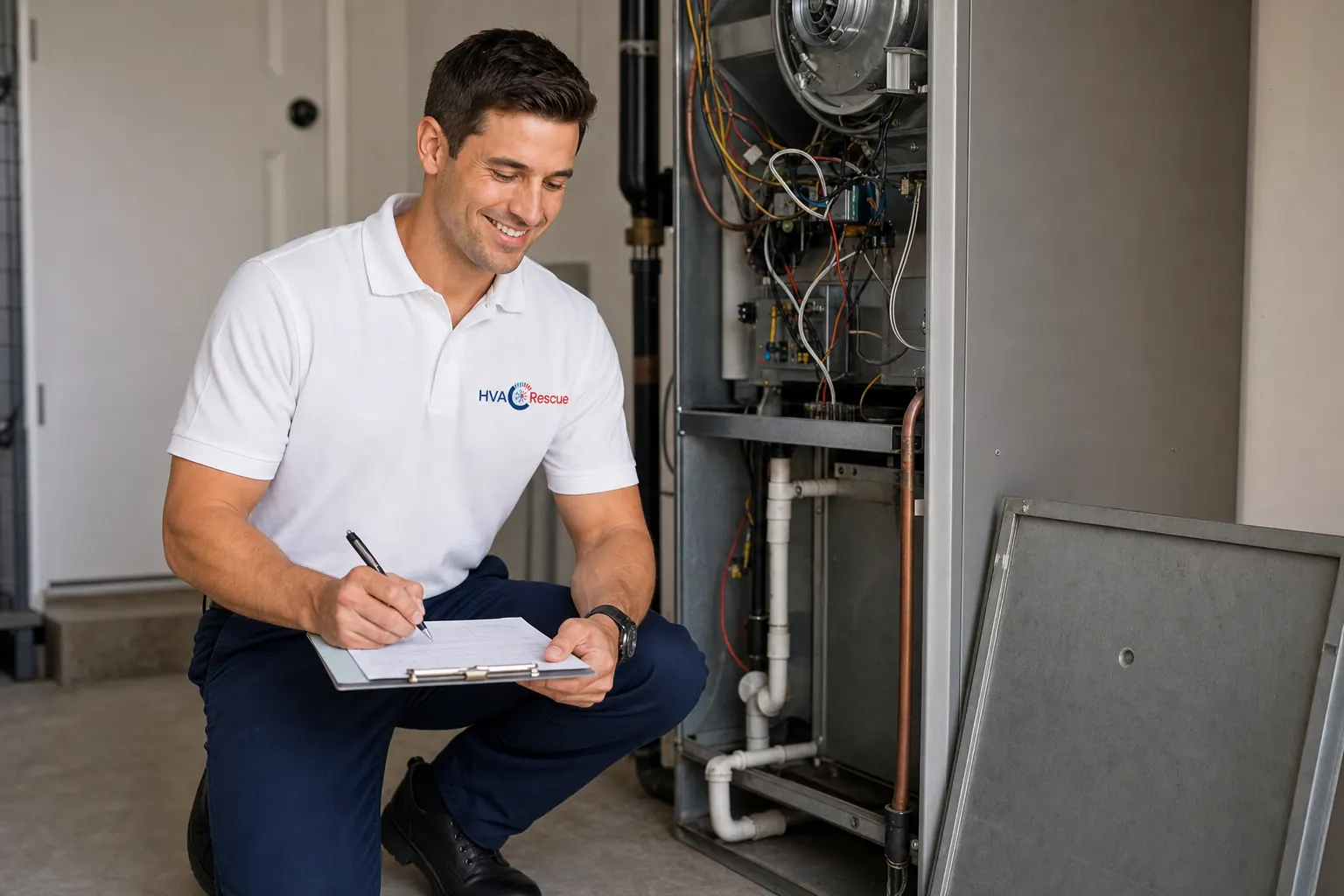
An HVAC tune-up is a scheduled maintenance visit in which a qualified technician inspects, tests, cleans, and documents the condition of your heating or cooling equipment. The goal is not to sell a replacement and not to overhaul the system on the spot. The goal is to verify safe operation, improve efficiency where normal maintenance can help, and catch developing problems before they turn into no-heat or no-cooling calls during extreme weather.
Think of a tune-up as preventive maintenance, not repair. If the technician finds a failed capacitor, a weak inducer motor, a cracked drain line, or a dangerous combustion issue, that moves beyond routine service and into diagnosis and repair. A good maintenance visit creates a baseline: temperatures, electrical readings, airflow observations, drain condition, filter status, and general equipment health. That baseline helps future technicians tell whether your system is aging normally or drifting toward a problem.
What a thorough tune-up usually includes
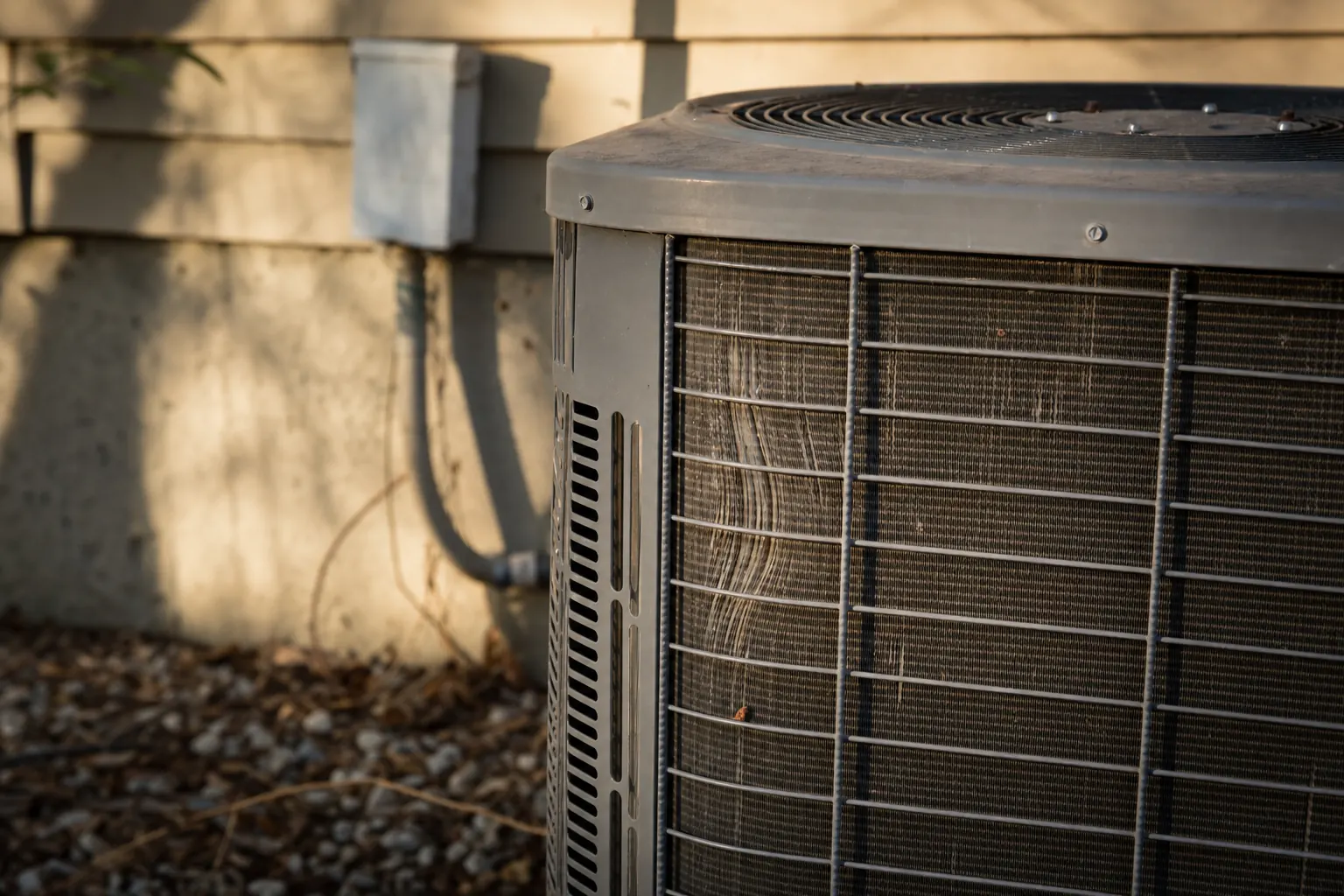
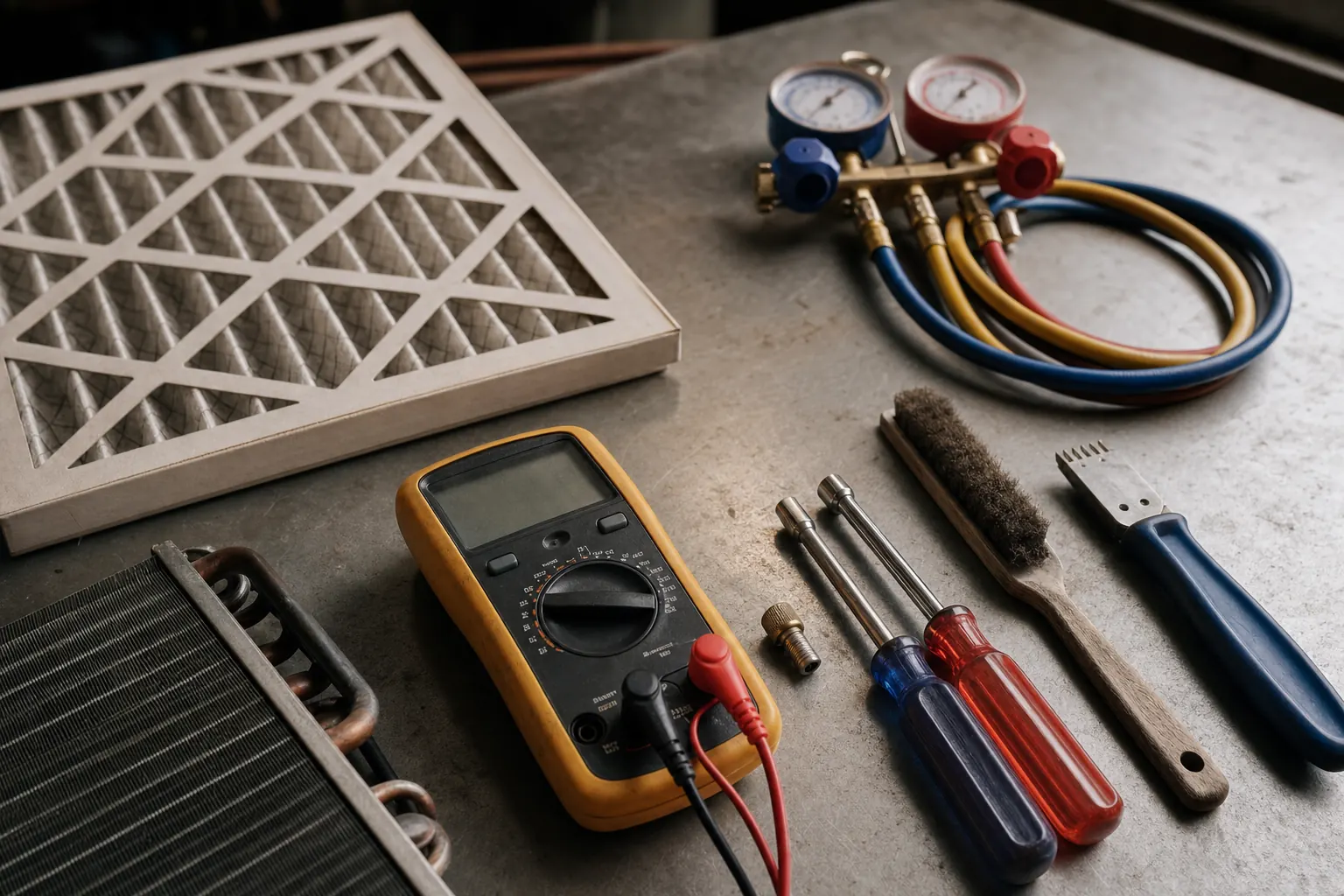
The exact checklist depends on whether you have central air, a furnace, a heat pump, a boiler, a ductless mini-split, or package equipment. Still, most solid tune-ups focus on the same categories: electrical safety, controls, cleaning, airflow, condensate management, and overall operation under load. On cooling equipment, the visit often includes checking temperature split across the coil, inspecting the outdoor unit, measuring electrical draw, cleaning debris from accessible areas, and confirming the condensate drain is flowing properly.
On heating equipment, the emphasis shifts. For a gas furnace, a technician may inspect the igniter, flame sensor, burners, safety switches, inducer operation, venting, and temperature rise through the furnace. For a heat pump in heating mode, the visit may include defrost control checks, reversing valve operation, auxiliary heat staging, and amperage readings. The common thread is that the technician is verifying the system can start, run, and shut down correctly without obvious safety or performance issues.
- Electrical connections may be inspected and tightened where the manufacturer allows, because loose connections can create heat, nuisance shutdowns, or component damage.
- Accessible indoor and outdoor components may be cleaned, including condenser coil surfaces, blower compartments, and drain pans, because dirt reduces heat transfer and airflow.
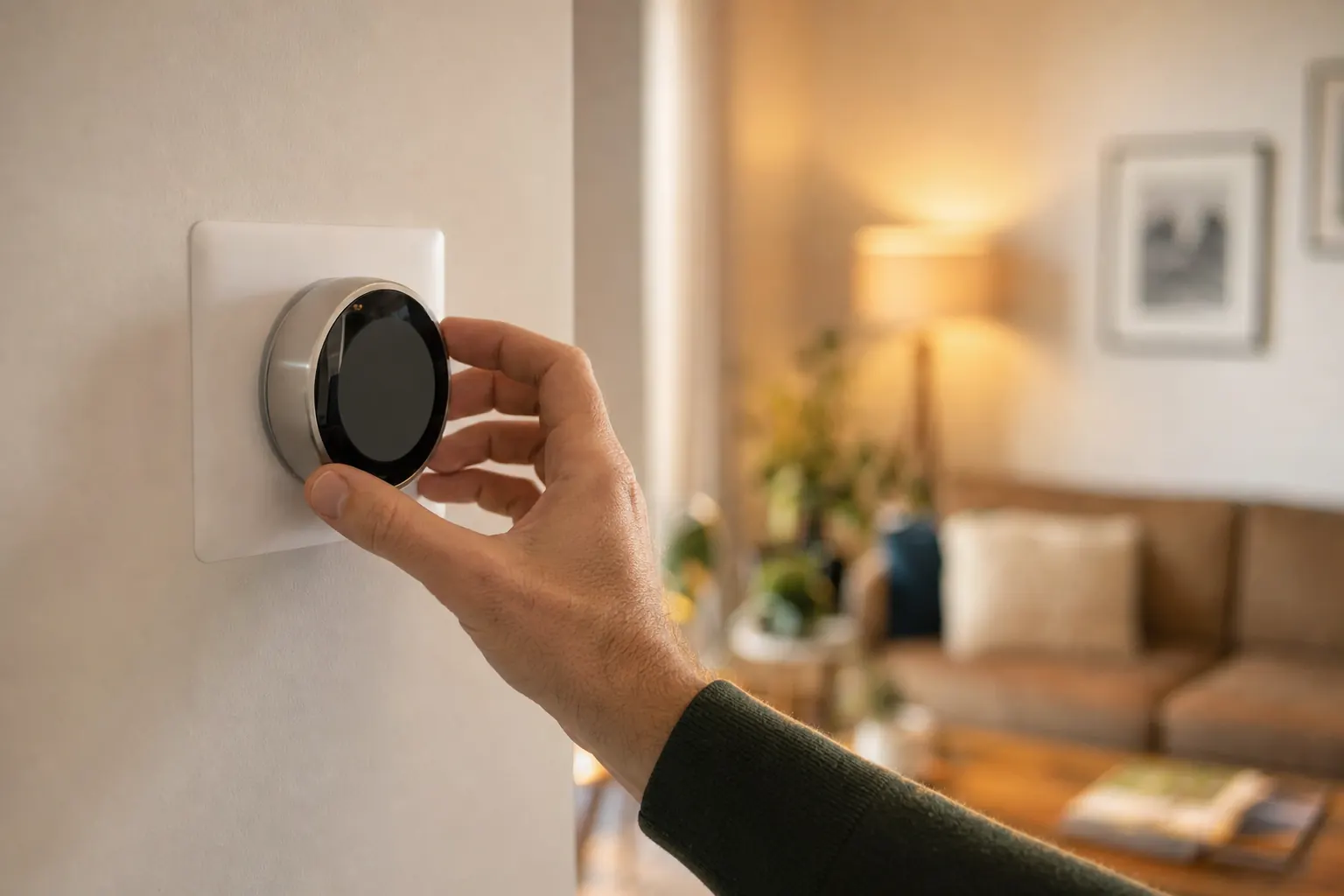
- The thermostat and system controls are typically tested to confirm the equipment responds correctly to a call for heating or cooling and cycles off normally.
- Airflow is evaluated through filter condition, blower performance, temperature readings, and visible duct issues, because many comfort complaints are airflow problems rather than refrigerant problems.
- Safety controls are checked where applicable, such as limit switches, pressure switches, float switches, and venting condition, because the system must fail safely if something goes wrong.
- General wear is noted, including rust, oil staining, unusual noise, weak capacitors, cracked insulation, and signs of water leaks, so the homeowner can plan repairs before a breakdown.
What a tune-up does not include
Homeowners are sometimes surprised that a tune-up is not the same as a full diagnostic visit. If the system is already not working, short cycling, tripping breakers, freezing the coil, or making a loud mechanical noise, the appointment may turn into troubleshooting and repair rather than routine maintenance. That usually takes longer and may cost more than a standard seasonal tune-up because the technician has to isolate a fault instead of simply verifying operation and cleaning serviceable areas.
A tune-up also does not guarantee that the system will not fail later. Bearings can seize, control boards can fail, and blower motors can stop with little warning. Maintenance reduces risk; it does not eliminate it. It also does not usually include major disassembly, refrigerant recovery, duct redesign, deep coil cleaning that requires pulling the assembly apart, or correcting long-standing installation defects. If the technician finds one of those issues, expect a separate repair or improvement recommendation rather than an all-in-one maintenance fix.
This matters because homeowners often compare tune-up prices without comparing scope. One company may offer a very brief visual inspection and filter change, while another includes electrical testing, coil cleaning of accessible surfaces, drain service, combustion checks, and detailed documentation. A cheaper visit is not always a better value if it skips the tests most likely to uncover safety or reliability problems.
Why tune-ups matter for safety, efficiency, and equipment life
Safety is the first reason to schedule maintenance, especially on combustion equipment. Furnaces and boilers involve flame, venting, ignition, and safety controls. A qualified licensed technician can look for warning signs such as flame rollout evidence, venting problems, weak draft, deteriorated wiring, scorch marks, or unsafe temperature rise. Those are not homeowner projects. Even electric systems benefit from inspection because overheated terminals, weak contactors, and failing capacitors can damage expensive components or create nuisance shutdowns.
Efficiency is the second major reason. HVAC systems lose performance gradually. A clogged filter, matted outdoor coil, slipping blower wheel, weak capacitor, dirty flame sensor, or partially blocked condensate line can all reduce performance before the system quits. The result may be longer run times, less dehumidification, uneven rooms, or higher electric or gas bills. A tune-up cannot turn an old 10 SEER air conditioner into a modern high-efficiency unit, but it can help a system operate closer to its intended performance.
Reliability and service life are the third reason. Replacing a $20 filter on time can protect a blower motor worth hundreds of dollars. Cleaning a condensate drain during routine service may prevent a ceiling stain, float-switch trip, or microbial buildup in the pan. Catching a weak capacitor before it fails may help avoid a no-cooling call in the first hot week of summer. Maintenance is not magic, but it often shifts repairs from emergency timing to planned timing, which is easier on both your schedule and your budget.
Cost ranges are estimates developed from standardized project scopes and reviewed pricing inputs. Government labor and regional cost data are used where applicable. See our Pricing Methodology for the exact sources, calculations, and review date. Actual prices vary by property, scope, materials or equipment, location, and provider.
How often to schedule and the best time of year
For many homes, twice a year is a sensible schedule: cooling maintenance in spring and heating maintenance in fall. That timing gives the technician a chance to find issues before the season of heaviest use. It also tends to be easier to book before the first heat wave or cold snap, when contractors are pulled into emergency calls. If your area has a long cooling season, spring visits often start filling up early because homeowners want the air conditioner checked before it runs hard every day.
Heat pumps deserve special attention because they usually run in both summer and winter. Many contractors recommend two visits a year for a heat pump, even in a moderate climate, because the same equipment handles year-round conditioning. Ductless mini-splits may also need more frequent filter cleaning by the homeowner and periodic professional service if they run constantly. Homes with pets, heavy dust, renovation debris, or occupants sensitive to comfort swings often benefit from more watchful maintenance because filters and coils load up faster.
There are exceptions. A seldom-used vacation property with mild weather may not need the same cadence as a primary home in a hot, humid climate. A newer system under manufacturer warranty may come with specific maintenance expectations in the owner’s manual. If you are unsure, ask what schedule makes sense for your equipment type, age, runtime, and local climate. The right answer is based more on usage and system design than on a one-size-fits-all rule.
What homeowners can do before and after the visit
A tune-up is more productive if the equipment is accessible. Before the appointment, clear storage away from the furnace, air handler, water heater, and electrical panel. Trim plants or debris back from the outdoor condenser so air can move freely; many manufacturers want open space around the unit, and crowding it with shrubs hurts performance. Make a short list of symptoms you have noticed, such as one room staying warm, a thermostat that seems off, water near the indoor unit, or a new buzzing sound. Those details help the technician look beyond the basic checklist.
After the visit, ask for the main findings in plain language. You want to know what was done, what readings looked normal or abnormal, what repairs are urgent, and what can wait. A useful maintenance report separates safety issues from comfort issues and from optional improvements. If a repair is recommended, ask what problem it solves and what may happen if you delay it. That does not mean arguing over every line item; it means understanding whether you are dealing with an immediate failure risk, reduced efficiency, or a convenience upgrade.
- Replace or clean the air filter on the schedule recommended for your system and household conditions, because a dirty filter is one of the most common causes of airflow trouble.
- Keep supply and return grilles open and unobstructed by furniture, rugs, or drapes, because blocked airflow can reduce comfort and strain the blower.
- Rinse light debris from around the outdoor unit and keep vegetation trimmed back, but leave coil cleaning, electrical access, and refrigerant work to a qualified technician.
- Watch the condensate drain area during cooling season for slow drainage or overflow signs, especially in attics or closets where water damage can spread unnoticed.
- Save maintenance invoices and reports, because they help with warranty questions, future diagnosis, and planning for repair versus replacement decisions.
Typical tune-up cost and how to judge the value
For the standardized single-system maintenance scopes used by this site, an AC tune-up ranges from $95 to $273, a furnace tune-up from $93 to $263, and a heat-pump tune-up from $111 to $308. Heat pumps, package units, and multi-zone ductless systems may run higher because there is more equipment to inspect and more operating modes to test. Maintenance plans may bundle one or two visits a year at a lower per-visit rate, but the fine print matters. Read what is included, what is discounted, and what still carries separate charges.
Value depends more on scope than on the lowest headline number. Ask whether the visit includes cleaning accessible condenser coil surfaces, flushing the condensate drain where appropriate, measuring amperage and capacitor values, checking temperature rise or split, inspecting safety controls, and documenting findings. Also ask whether the price is for one piece of equipment or one home. A house with two systems, a zoning panel, and a separate dehumidifier is not equivalent to a small home with one straight-cool condenser and furnace.
If the technician recommends repairs, do not assume that means the tune-up was a sales pitch. Sometimes maintenance reveals legitimate wear that was not obvious to you. The key is whether the explanation is specific. “Capacitor tested below rated microfarads” is more meaningful than “your system needs work. ” “Flame sensor is causing intermittent ignition failure” is more useful than “furnace is old. ” Good recommendations tie back to observed conditions and likely consequences if the issue is ignored.
How to choose a provider and what to ask
Because tune-up quality varies, it helps to ask a few direct questions before booking. What equipment types do they maintain? How long is the appointment typically scheduled for? What tests are included for a furnace, air conditioner, or heat pump? Will you receive a written summary? A company that can explain its checklist clearly is usually easier to work with than one that only advertises a rock-bottom special and stays vague about the actual tasks performed.
For combustion equipment, ask whether the visit includes venting and safety-control inspection. For cooling equipment, ask whether condensate drainage and electrical testing are part of the standard service. If your home has known comfort problems, mention them in advance so the contractor can allow enough time. Through HVAC Rescue, homeowners can be matched with independent HVAC contractors for maintenance requests, but the scope, scheduling, and workmanship come from the contractor you choose.
A tune-up is worth doing when you treat it as preventive maintenance with a clear purpose: safer operation, better odds of reliable seasonal performance, and a chance to correct small issues before they become expensive ones. It is not glamorous, and it will not solve every comfort problem in one visit. But for most forced-air and heat pump systems, routine maintenance is one of the more practical steps a homeowner can take to protect the equipment they already own.
Sources and fact-checking
Reviewed July 25, 2026. We favor primary government and standards sources for safety, efficiency, and regulatory claims. These references support the technical and consumer guidance on this page.