Reviewed July 25, 2026
HVAC Rescue Editorial Team
Editorial StandardsWhy one radiator is cold when the rest are hot
If one radiator is cold while the others are hot, the most common causes are trapped air, a valve that is closed or stuck, sludge blocking flow, or a problem with circulation or a zone valve. The only routine homeowner step that is generally safe is bleeding air from a hot-water radiator if the radiator has a manual bleed screw and you can do it without contacting hot water or steam. Beyond that, diagnosis usually moves into parts and system conditions that should be checked by a qualified heating professional.
Start by noticing exactly how the radiator feels. If it is warm at the bottom but cold at the top, trapped air is likely. If the entire radiator is cold, a closed valve, a seized thermostatic radiator valve pin, or a circulation issue becomes more likely. If it is hot near the inlet but cool across the rest of the radiator, sludge or poor balancing may be restricting flow. Those patterns matter because they tell you where the water is, and where it is not.
Start with what kind of heating system you have
This guide is mainly about hydronic heating: systems that use hot water and radiators or baseboards. On those systems, one cold radiator usually points to air, a valve issue, a blockage, or poor circulation. If your home has true steam radiators, the diagnosis is different. Steam radiators are not bled like hot-water radiators. They use air vents, pipe pitch, and low-pressure steam movement, and opening the wrong fitting on a steam system can be dangerous.
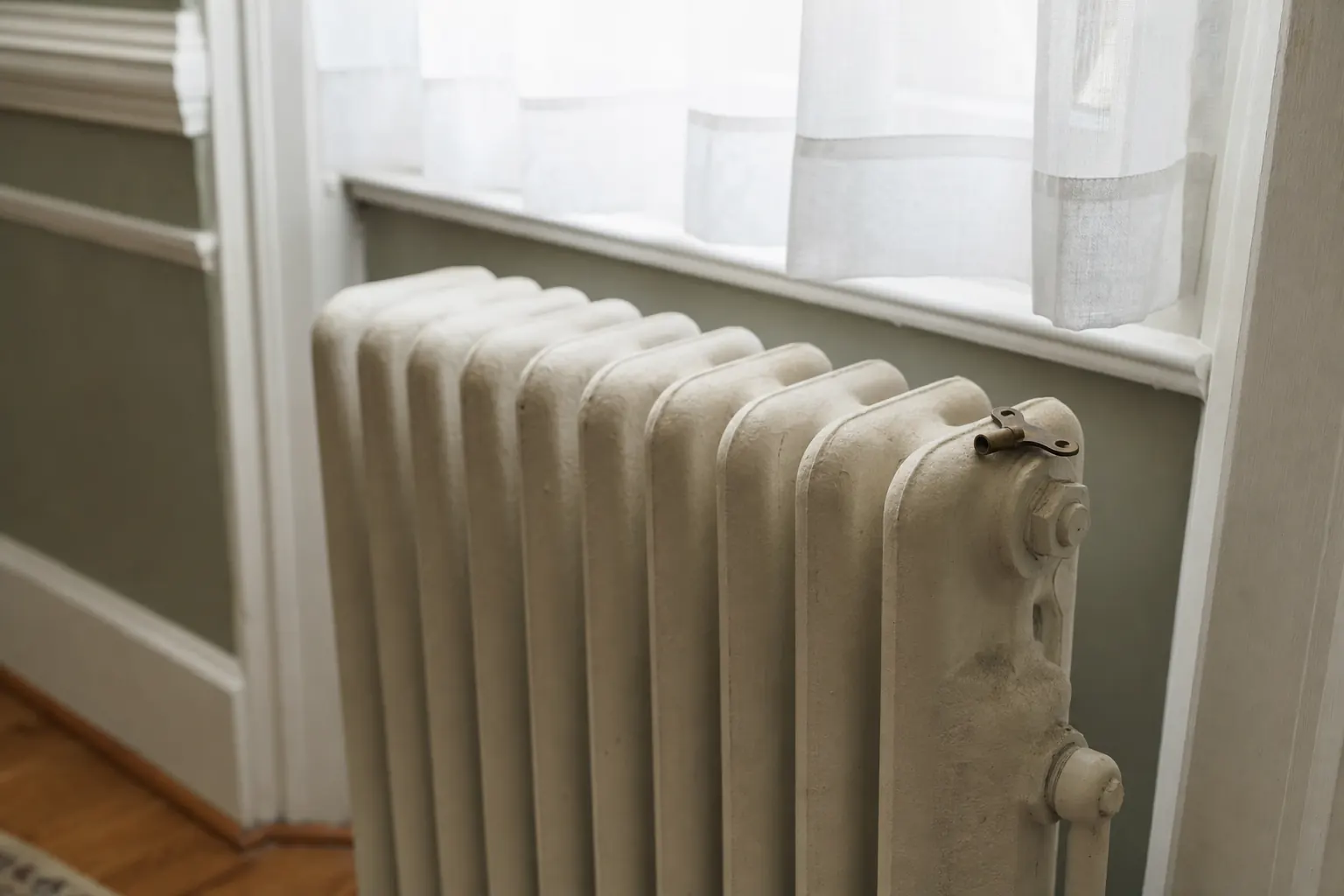
A quick reality check helps. Hot-water radiators usually have a small bleed screw near the top side and smaller supply and return pipes than old steam systems. Steam radiators often have a single pipe or a larger two-pipe arrangement and a vent that hisses lightly when heating. If you are not sure which system you have, do not guess by opening anything. A contractor can identify it quickly, and that avoids turning a simple heating problem into a leak or burn hazard.
- If the radiator has a manual bleed screw near the top, it is usually a hot-water radiator and bleeding may be an appropriate first step.
- If the radiator has a small barrel-shaped air vent but no bleed screw, it may be steam, and homeowner bleeding is not part of normal troubleshooting.
- If one room has its own thermostat or motorized zone valve, a cold radiator can be tied to that control rather than the radiator itself.
- If several radiators on one branch are weak, the issue is less likely to be one radiator and more likely to be flow, balancing, or a pump problem.
The one homeowner step that is usually safe: bleed trapped air
On a hot-water radiator, trapped air is the first thing to check because it is common and the symptom is specific: the top of the radiator stays cool while the bottom gets warm or hot. Air rises to the high point in the radiator and blocks hot water from filling the upper sections. The fix is to vent that air through the manual bleed screw. This is a limited, low-risk task if done carefully, but it still involves hot components and possibly hot water, so move slowly and use protection for your hand.
Set the thermostat so the system is calling for heat, then wait until the radiator is warm enough to show the problem pattern. Hold a cup or cloth under the bleed point, and use the correct bleed key or screwdriver only if the fitting clearly matches. Open the screw slightly, not fully. Air should hiss out first. Once you get a steady stream of water with no sputtering, close the screw snugly. You are not trying to drain the radiator, only vent the air pocket. If nothing comes out, the screw is damaged, or water keeps flowing hard, stop and call a pro.
After bleeding, the radiator may heat within several minutes, or it may need part of a normal heating cycle. One radiator needing a small bleed now and then is not unusual, especially at the start of heating season. Repeated air buildup, however, can point to low system pressure, a bad automatic air eliminator, fresh water entering the system, or a failing expansion tank. Those are not homeowner adjustments. A professional should inspect the boiler pressure, air separator, feed valve behavior, and expansion tank charge.
If bleeding does not help, check for a closed or seized radiator valve
If the entire radiator is cold, especially when neighboring radiators are hot, the next likely cause is a valve issue. Most radiators have a supply valve where hot water enters. Some also have a return or lockshield valve on the outlet side. If a valve was turned down during decorating, bumped by furniture, or partially shut to quiet noise, it can stop enough flow to keep that radiator cold. Homeowners can safely confirm whether a visible hand-operated valve is fully open by turning it gently to the open position without forcing it.
Many modern systems use thermostatic radiator valves, often called TRVs. These have numbered caps or heads that regulate room temperature automatically. The valve head can fail, but more often the small metal pin inside the valve body sticks after sitting closed for months. A stuck pin can keep the radiator off even when the room is cold. Because freeing that pin can involve removing the head, working around old fittings, and risking damage or leakage, it is best treated as professional work unless the manufacturer specifically describes a homeowner-safe reset.
A contractor will usually check the supply valve, return valve, and TRV body temperature, then compare inlet and outlet heat. If the supply side is hot right up to the valve and the radiator beyond it stays cold, the valve is a strong suspect. Repair may be as simple as freeing a seized pin or as involved as replacing the valve body and draining part of the system. The quote should distinguish a minor valve-service visit from valve-body replacement and should state whether isolation, draining, refilling, or access work is included.
Cold at one end can mean sludge, scale, or poor balancing
If the radiator gets hot near the inlet but stays cool across the middle or far end, the issue is often restricted flow rather than trapped air. In older hydronic systems, iron oxide sludge can settle in the lower sections of radiators and in horizontal piping. That debris narrows the water path so hot water takes the easiest route and leaves much of the radiator underheated. Mineral scale can do something similar, though sludge is usually the bigger issue in closed-loop residential systems with steel and cast-iron components.
System balancing can produce a similar symptom. Water follows the path of least resistance, so radiators closest to the boiler or circulator may get plenty of flow while a distant radiator starves. A balancing adjustment changes resistance at other radiators or branch valves so heat is distributed more evenly. The problem for homeowners is that balancing is comparative: a tiny change at one valve can affect several rooms, and random turning often makes comfort worse. Sludge diagnosis and balancing both move beyond the safe bleed step and should be handled by a professional.
A contractor may use pipe temperature readings, differential temperature checks, or infrared tools to compare supply and return conditions. If sludge is confirmed, the remedy might be targeted radiator flushing, power flushing, magnetic dirt separation, or adding corrosion inhibitor after cleaning. Ask whether the quote covers one radiator or system-wide cleaning and whether inhibitor, disposal, refill, and follow-up balancing are included; those are different scopes. The trade-off is straightforward: cleaning can restore heat and efficiency, but very old systems sometimes reveal weak spots that were already close to leaking.
When the radiator is fine but circulation or zoning is not
If the radiator valve is open and the radiator still stays cold, the problem may be elsewhere in the system. A weak or failed circulator pump can reduce flow to the farthest or highest parts of the system first. On zoned systems, a stuck or failed motorized zone valve can keep one loop from receiving hot water even though the boiler fires normally. In multi-story homes, low system pressure can also prevent adequate flow to upper-floor radiators. These are all professional checks because they involve live electrical controls, moving parts, and boiler-side components.
What a homeowner can safely observe is the pattern. If every radiator on one thermostat zone is cold, suspect the zone valve or circulator serving that zone. If only the highest radiator is cold and others below work, pressure or air management may be involved. If the boiler seems to run but that radiator never warms at the supply pipe, the fault is upstream of the radiator itself. Good notes help a contractor narrow the issue faster: which rooms are affected, whether the problem started suddenly or gradually, and whether it changes when other zones call for heat.
Professional diagnosis may include checking thermostat calls, verifying zone-valve end switches, testing circulator amperage, measuring temperature rise across the boiler loop, and confirming cold-fill pressure. Many two-story hydronic homes run around 12 to 15 psi when cold, while taller homes may need more to reach upper emitters; the correct target depends on height and boiler setup. Circulator replacement and zone-valve replacement are different repair scopes, and each quote should state whether repiping, draining, refilling, controls, or hard-to-access wiring is included.
What to tell a contractor and when not to wait
A clear description can shorten diagnosis. Tell the contractor whether the radiator is cold all over, cold only at the top, or hot on one side and cold on the other. Mention whether it is on the highest floor, whether there is a thermostatic radiator valve, and whether you already bled air successfully. If the issue started after other work in the home, say so. Plumbing changes, draining the system, or even moving a radiator can introduce air or disturb old sediment.
Do not wait if the radiator or valve is leaking, if boiler pressure is behaving oddly, if several radiators have gone cold, or if the boiler is short-cycling while rooms stay chilly. A cold single radiator is often a comfort problem, but it can also be the first visible sign of a system-wide maintenance issue. The goal is not just to warm that one room today. It is to confirm whether the cause is a harmless air pocket or something that can strain the pump, reduce efficiency, or lead to water damage later.
- Tell the contractor which radiator is affected and whether the problem is new, seasonal, or recurring every year.
- Describe the heat pattern precisely: cold top, cold bottom, cold all over, or hot only near the inlet valve.
- Mention any recent bleeding, draining, valve adjustments, boiler service, or remodeling near that radiator.
- Note whether other radiators on the same floor or thermostat zone are also weak or cold.
- If safe to observe, mention whether the supply pipe to the radiator feels hot, warm, or cold during a call for heat.
Sources and fact-checking
Reviewed July 25, 2026. We favor primary government and standards sources for safety, efficiency, and regulatory claims. These references support the technical and consumer guidance on this page.