
Reviewed July 22, 2026
HVAC Rescue Editorial Team
Editorial StandardsKeep your system efficient and reliable in Hawaii
HVAC maintenance is the right starting point when the system still heats or cools, but it is due for seasonal service or has started to seem less efficient. Common examples are booking service before the cooling season in spring, before the heating season in fall, after a long period without service, or when comfort and energy use seem to be drifting in the wrong direction. It is also a practical choice when you want routine records to help keep a warranty in good standing.
This page is about whole-system maintenance, not a repair visit, replacement decision, or a single-purpose AC or furnace tune-up page. If the equipment is still operating and you want an inspection, cleaning, filter attention, and performance check, maintenance fits. If the system will not run at all or has a clear failure, that moves beyond routine upkeep and needs diagnosis instead of a standard seasonal check.
HVAC Maintenance in Hawaii: what’s different here
Across Hawaii, lowland homes often depend on ductless mini-splits and other efficient cooling setups because trade winds and steady warmth make constant comfort control more important than seasonal heating. Coastal properties also have to contend with salt air, while island and elevation differences can change how hard a system has to work and how often maintenance matters.
Persistent humidity can make indoor spaces feel sticky even when the system is running, and neglected filters can reduce airflow in already moist conditions. Near the coast, salt air can accelerate wear on outdoor equipment, and mold or mildew can become a concern when moisture lingers inside the home. For HVAC Maintenance in Hawaii, relate this guidance to the actual equipment, property, and written scope.
For Hawaii homes, seasonal HVAC service should prioritize airflow, humidity control, and protection against coastal corrosion where applicable.
- Hawaii HVAC Maintenance is mostly about cooling and humidity control.
- Salt air can be tough on outdoor equipment near the coast.
- Many homes rely on ductless mini-splits and efficient zoned cooling.
- Moist conditions make airflow, filters, and indoor air quality especially important.
HVAC Maintenance decisions for Hawaii homes
Plan preventive service around the equipment present, seasonal workload, recent symptoms, filter and drainage needs, and manufacturer requirements. For Hawaii, the relevant state focus is season timing, weather exposure, equipment mix, heating-cooling season preparation and equipment exposure. Use maintenance for inspection, cleaning, adjustment, and trend detection; route active no-heat, no-cool, leak, electrical, combustion, or severe-noise symptoms to repair.
How much does HVAC maintenance cost in Hawaii?
HVAC maintenance scope in Hawaii varies with system type, condition, access, included measurements, cleaning, and testing. The factors below define the work:
- The type of system being serviced (furnace, AC, heat pump, or ductless)
- The number of systems or units included in the visit
- The age and overall condition of the equipment
- How thorough the tune-up or service package is
- Whether any worn parts are found and need attention
- The accessibility of the equipment, such as attic or rooftop placement
- Whether maintenance is part of a recurring plan or a one-time visit
- The condition of the ductwork and air filters
- Seasonal demand for maintenance in your area
- Local labor rates among providers in Hawaii
- Any additional cleaning the system requires
| HVAC Tune-Up | Typical range |
|---|---|
| AC tune-up (single cooling system)Standalone spring visit for the standardized single-system cooling scope | $100 – $300 |
| Furnace tune-up (single heating system)Fall visit with burner cleaning, combustion check, and heat exchanger inspection | $100 – $275 |
| Heat pump tune-up (single visit)Heat pumps run year-round, so most pros recommend two visits per year | $125 – $325 |
| Full-system tune-up (AC + furnace, one visit)Both sides of a split system checked in one appointment | $175 – $450 |
| Comprehensive deep-clean serviceAdds blower pull-and-clean or evaporator coil chemical cleaning; several hours of labor | $350 – $975 |
| Annual maintenance plan (two visits)Per year; usually includes spring and fall visits plus repair discounts | $150 – $300 |
| Advertised coupon specialMarketing-priced visit — legitimate work is possible, but expect upsell pressure (see below) | $29 – $79 |
Cost ranges are estimates developed from standardized project scopes and reviewed pricing inputs. Government labor and regional cost data are used where applicable. See our Pricing Methodology for the exact sources, calculations, and review date. Actual prices vary by property, scope, materials or equipment, location, and provider.
See the full hvac tune-up cost guide for the complete breakdown, then call to get a real quote for your Hawaii home.
Get HVAC maintenance help in Hawaii
One quick call connects you with HVAC pros who service your area. No pressure, no obligation.
Hawaii climate & seasonal demand
Warm, humid conditions persist throughout the year, so cooling and dehumidification are ongoing needs. Many homes rely on efficient, zoned cooling rather than seasonal systems.
Heating demand is very low in most of Hawaii, with cooler conditions mainly at higher elevations. Most lowland homes focus on cooling and air quality rather than heat.
Cooling and humidity management are the primary HVAC concerns in Hawaii, where warm, moist conditions persist year-round. Many homes use ductless mini-splits and efficient cooling to handle steady warmth and trade winds. Salt air near the coast and constant humidity make equipment care and air quality important considerations.
Because Hawaii stays warm and humid most of the year, HVAC Maintenance is usually an ongoing priority rather than a once-a-year task tied to a long cooling season. Lowland homes tend to focus on keeping cooling systems clean, dry, and efficient, while cooler higher-elevation areas may have different comfort needs but still benefit from regular checkups.
In Hawaii, a well-maintained system helps manage both temperature and humidity, which is a big part of feeling comfortable in the home. Clean filters, clear airflow, and routine inspections can also help equipment handle steady use more efficiently, especially in homes that rely on zoned cooling.
- Persistent humidity affecting indoor comfort
- Salt air corroding outdoor units near the coast
- Mold and mildew developing in humid conditions
- Cooling systems running steadily year-round
- Reduced airflow from neglected filters in humid air
- Indoor air quality concerns from constant moisture
Before you call: what to have ready
Homeowners can check that supply vents are open, replace or inspect filters as needed, and make sure the area around outdoor equipment is clear of debris. It also helps to note any uneven cooling, unusual moisture, or musty odors before scheduling service so the technician can focus on the right issues. For HVAC Maintenance in Hawaii, relate this guidance to the actual equipment, property, and written scope.
Questions to ask before approving work
- Are you licensed and insured for HVAC work in this state?
- Will a technician give a written, itemized estimate before any work starts?
- Is the diagnostic fee waived or credited if I approve the repair?
- For a new system, will you run a Manual J load calculation to size it correctly?
- What parts and labor warranties come with the repair or installation?
- Are your technicians NATE-certified or manufacturer-trained?
- Can you pull the required permits and schedule any needed inspection?
- Do you offer financing or maintenance plans, and what do they cover?
What happens during service
- 1
Tell us about your system
Describe your equipment and when it was last serviced in Hawaii so the right professional can be matched to your maintenance needs.
- 2
Connect with a pro
We help you reach HVAC professionals that service your area. Availability may vary by location and provider.
- 3
Inspection
The technician inspects the system's major components and overall operation to establish how it's performing.
- 4
Cleaning and adjustments
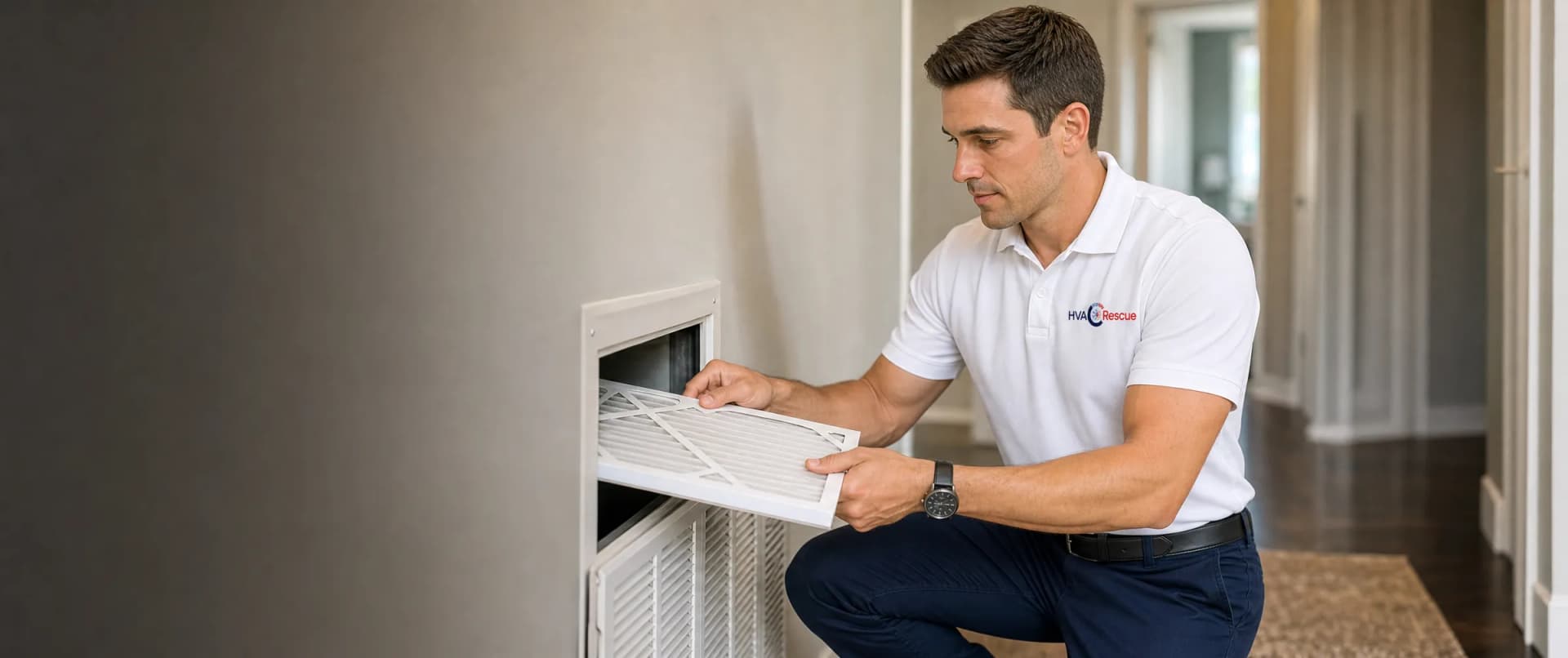
Filters, coils, and airflow are addressed as needed, and the professional makes adjustments to help the system run efficiently.
- 5
Safety and performance check
The technician confirms the system is operating safely and performing as expected, with special attention to fuel-burning equipment.
- 6
Findings and recommendations
You receive a summary of the system's condition and any issues found, along with options if a repair is recommended.
- 7
Guidance until next visit
You get tips on simple upkeep, like filter changes, and a suggested schedule for your next seasonal tune-up.
HVAC Maintenance in Hawaii: common questions
How does HVAC Maintenance in Hawaii differ from the mainland?
Do coastal homes in Hawaii need different HVAC Maintenance?
Is HVAC Maintenance important for mini-splits in Hawaii?
What should I do if my Hawaii home feels humid even with the AC on?
Sources and fact-checking
Reviewed July 22, 2026. We favor primary government and standards sources for safety, efficiency, and regulatory claims. These references support the technical and consumer guidance on this page.
- Heating and cooling maintenance checklistENERGY STARProfessional tune-up scope, filters, airflow, coils, drains, and safety checks.
- Clean heating and coolingENERGY STARCentral-system sizing, efficiency, replacement planning, installation, and maintenance.
- Air cleaners and air filters in the homeU.S. Environmental Protection AgencyFilter performance, indoor-air limitations, and proper use of portable and HVAC filters.