Reviewed July 22, 2026
HVAC Rescue Editorial Team
Editorial StandardsHere is the short answer: most central air conditioners last 12 to 17 years, gas furnaces 15 to 25 years, heat pumps 10 to 15 years, boilers 15 to 30 years, and ductless mini-splits 15 to 20 years. Those are typical ranges drawn from manufacturer and industry guidance, not guarantees. A well-maintained furnace in a mild climate can push past 25 years, while a neglected heat pump working year-round in a hot coastal city may need replacement before its tenth birthday.
Where equipment lands inside a planning range depends on maintenance, installation and sizing, environment, operating hours, and component quality. This guide explains typical ranges, the conditions that move them, and a repair-versus-replacement framework based on the actual diagnosis, warranty, reliability history, and complete written estimates rather than a fixed age-times-cost formula.
Typical HVAC Lifespans by Equipment Type
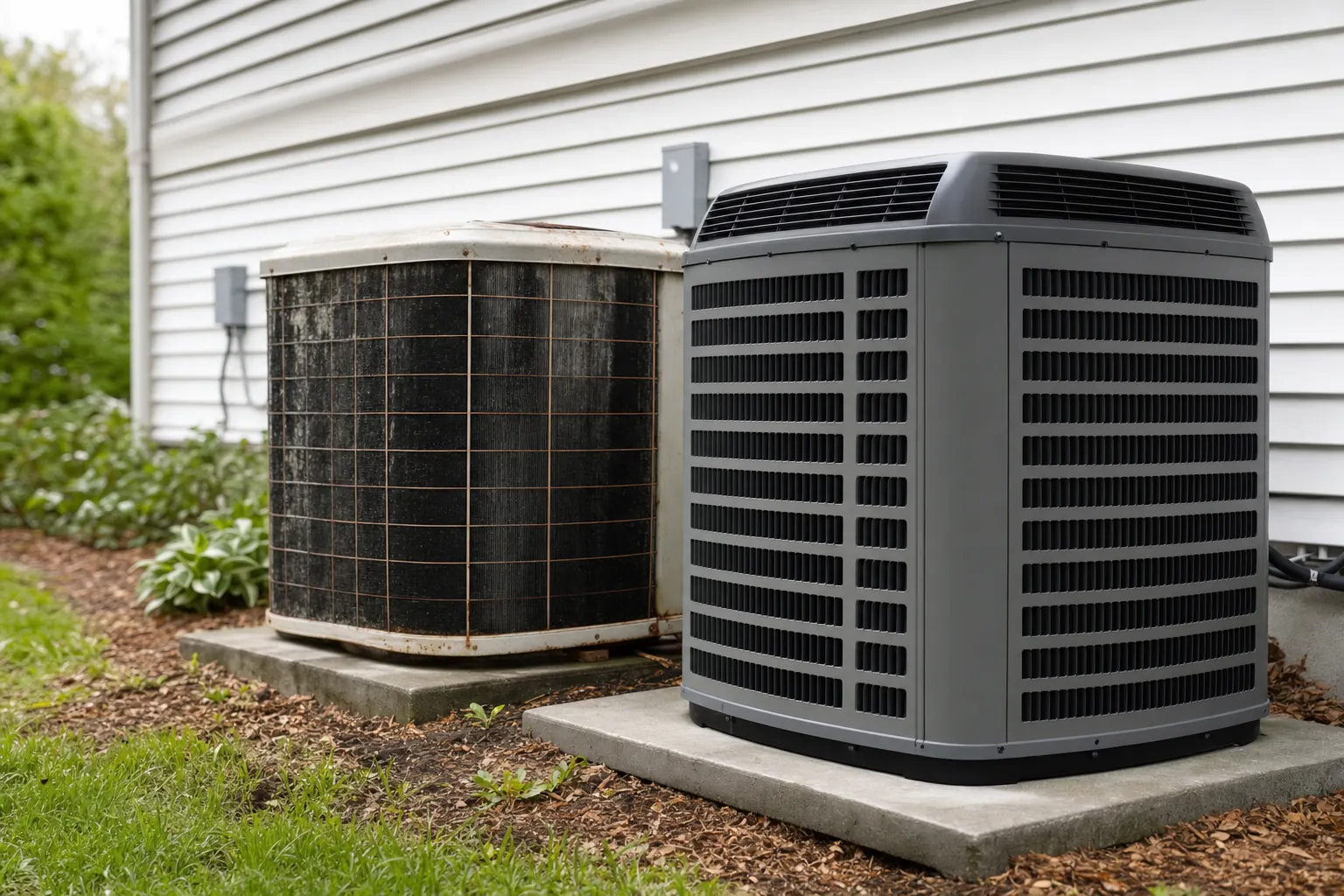
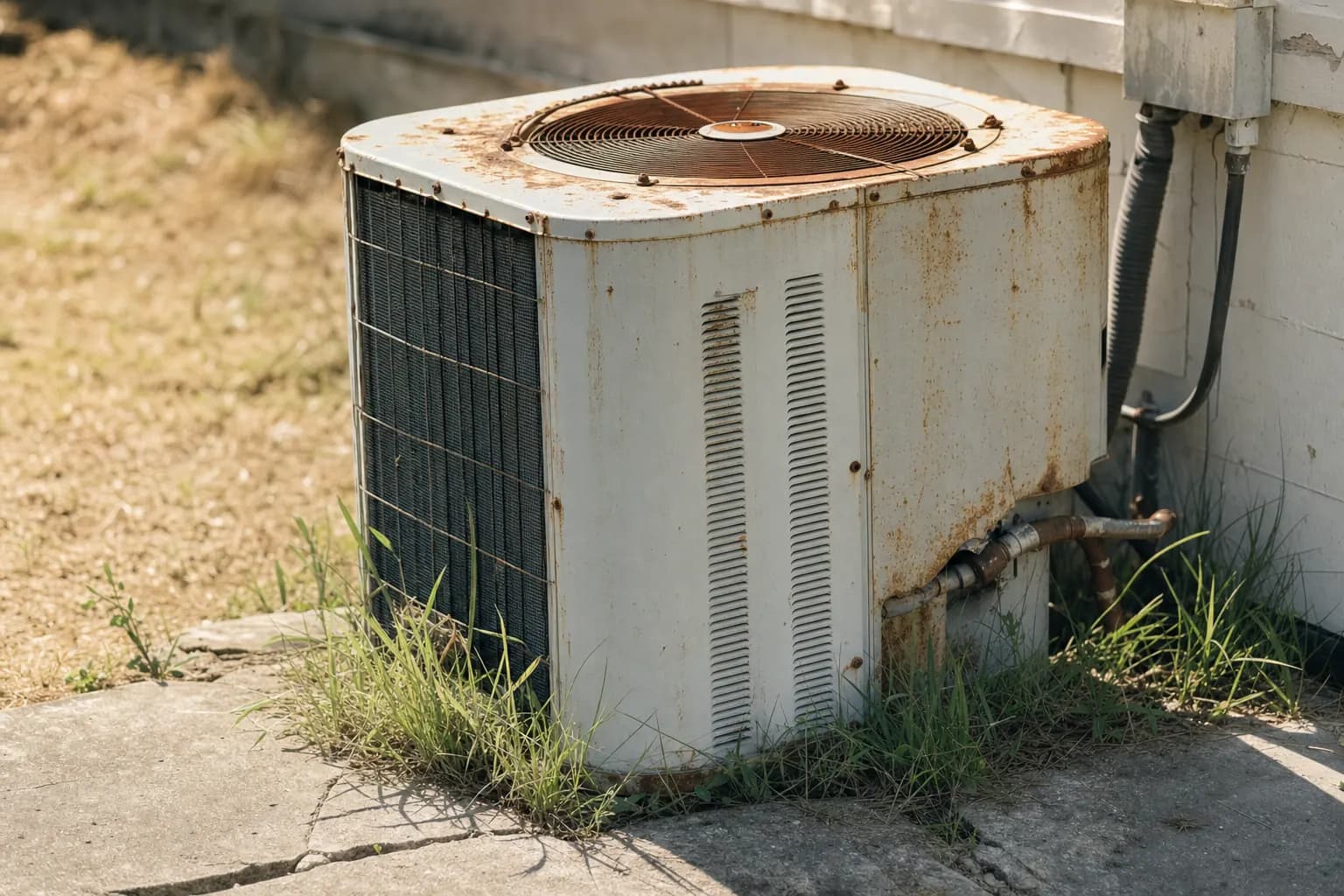
- Central air conditioner: 12 to 17 years. The compressor is usually the component that decides when the end comes, and it is expensive enough that its failure often triggers full replacement. Coastal salt air is brutal on condenser coils and cabinets — industry sources including Carrier note that units near the ocean may last only 7 to 12 years.
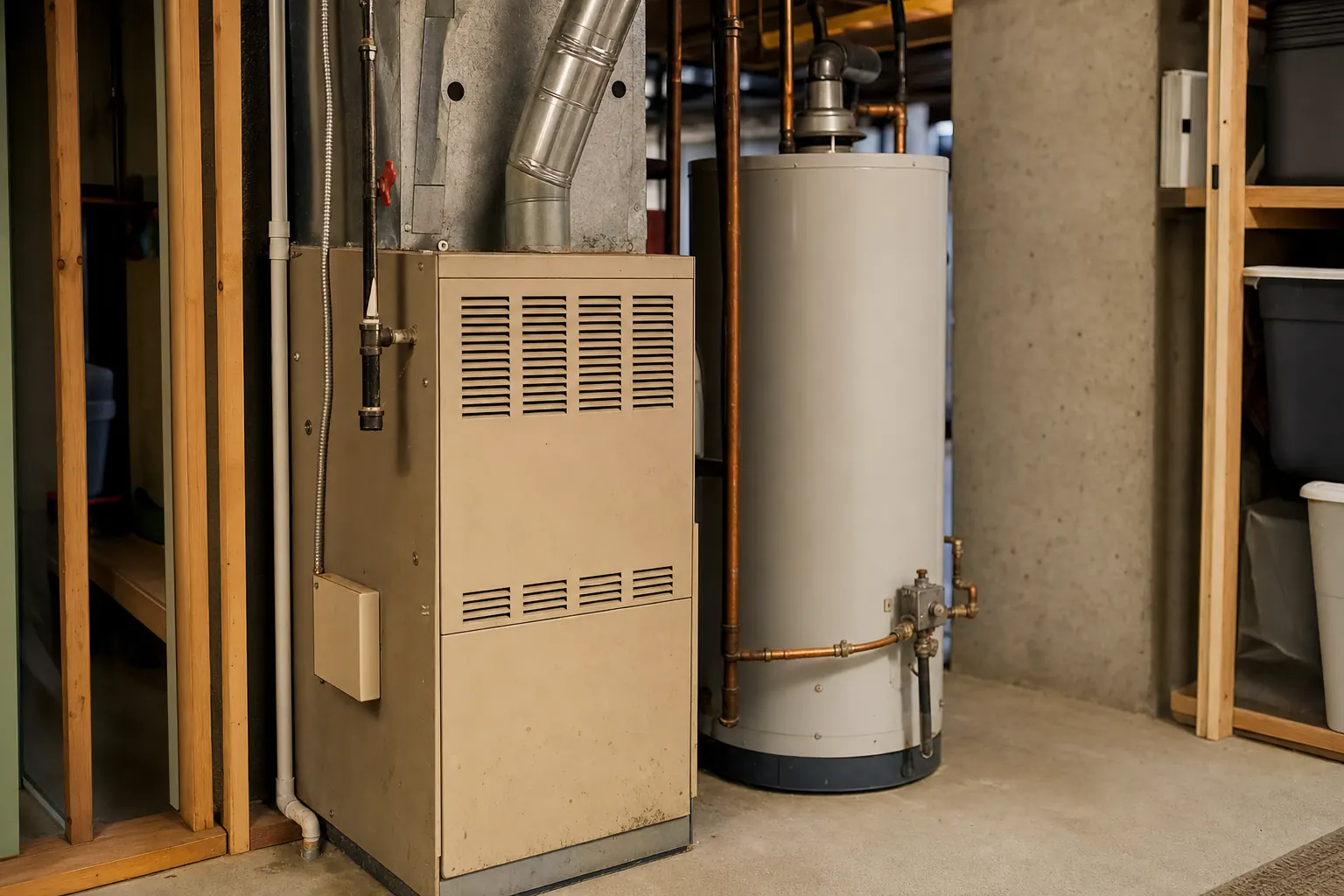
- Gas furnace: 15 to 25 years is a common planning range. A damaged heat exchanger is a serious safety issue that requires the furnace to remain off until a qualified professional evaluates it. Parts availability, approved repair options, age, and complete repair and replacement scopes determine the next step.
- Heat pump: 10 to 15 years in most of the country. A heat pump does the job of both an air conditioner and a furnace, so it logs roughly double the annual run hours of either one. In mild climates with light loads, 20 years is achievable.
- Boiler: 15 to 30 years. Boilers have few moving parts and a sealed water loop, which is why old cast-iron units routinely outlast everything else in the house. Modern high-efficiency condensing boilers trade some of that longevity for fuel savings and tend to land closer to 15 to 20 years.
- Ductless mini-split: 15 to 20 years with routine care, and some manufacturers report systems running well beyond that. Neglect cuts deep here — units that never get their filters and coils cleaned can need major repairs within 7 to 12 years.
- The supporting cast: ductwork typically serves 20 to 30 years before leaks and deteriorating insulation justify replacement, and thermostats are usually swapped around the 10-year mark or whenever the system they control is replaced.
What Shortens or Extends an HVAC System's Life
- Maintenance: the biggest factor you control. An annual professional tune-up plus regular filter changes keeps coils clean, airflow strong, and small problems small. Skip it, and a $15 clogged filter quietly overworks the blower, starves the coil, and stresses the compressor — the exact component you cannot afford to lose.
- Sizing and installation quality: these are locked in on day one. An oversized system short-cycles itself to an early death, an undersized one runs constantly, and a sloppy install with an incorrect refrigerant charge or restrictive ductwork ages equipment years ahead of the calendar. A careful installer matters more than the difference between two good equipment brands.
- Run hours by climate: an air conditioner in the Sun Belt can log several times the annual hours of one in the northern states, so a 12-year-old unit in Phoenix has often worked as hard as a much older unit in Minneapolis. The same logic applies in reverse to furnaces in cold climates.
- Coastal corrosion: salt air attacks condenser coils, fasteners, and electrical connections. Homes within a few miles of the coast should expect the short end of every range, and gentle regular coil rinsing plus corrosion-resistant coatings help.
- Short cycling: frequent on-off cycling from an oversized system, a poorly placed thermostat, or an unresolved fault wears out compressors, igniters, and contactors far faster than steady running does.
Cost ranges are estimates developed from standardized project scopes and reviewed pricing inputs. Government labor and regional cost data are used where applicable. See our Pricing Methodology for the exact sources, calculations, and review date. Actual prices vary by property, scope, materials or equipment, location, and provider.
Not sure whether your system has more good years left? An HVAC professional can inspect it, measure how it is actually performing, and give you a straight answer. HVAC Rescue can help you connect with HVAC professionals that service your area.
(866) 373-0169A Better Repair-vs.-Replacement Comparison
Age-times-cost formulas can be a quick prompt, but a fixed threshold is not a reliable decision rule because replacement prices and remaining equipment condition vary widely. Compare the documented repair with a complete replacement proposal, then weigh age, warranty, prior failures, parts availability, efficiency, comfort, and how long you expect to own the home. The type of failure matters: a capacitor is a contained wear-part repair, while a compressor, major refrigerant leak, or heat-exchanger concern deserves a broader system assessment. R-22 equipment also warrants a careful comparison because newly produced R-22 is no longer available. ENERGY STAR consumer guidance suggests considering replacement when an air conditioner or heat pump is more than 10 years old or a furnace or boiler is more than 15, but age is a trigger to evaluate, not an automatic verdict.
End-of-Life Warning Signs by Equipment Type
- Air conditioner: cooling bills creeping up year over year, longer run times to hit the same setpoint, refrigerant leaks (especially on R-22 systems), and two or more significant repairs in consecutive summers.
- Furnace: age past 15 years combined with a yellow or flickering burner flame, visible rust or corrosion around the heat exchanger area, soot streaks near the cabinet, uneven heating, or a pattern of igniter and blower repairs.
- Heat pump: noticeably weaker heating during cold snaps, backup electric heat strips running far more than they used to (watch for a winter bill spike), constant defrost cycling, or reversing valve and compressor faults.
- Boiler: water leaks around the base, rumbling or banging noises (kettling), visible corrosion on the shell or piping, radiators that heat unevenly, or a system that constantly needs repressurizing.
- Ductless mini-split: refrigerant loss along the line set, control board or inverter failures on units past 15 years, and output that keeps weakening even with clean filters and coils.
How to Get the Most Years Out of Whatever You Own
- 1
Change the filter every 1 to 3 months
It is the single biggest thing a homeowner can do. A clean filter protects the blower motor and keeps the coil from fouling, which preserves both efficiency and lifespan. Check monthly during heavy-use seasons.
- 2
Book professional maintenance every year
A cooling tune-up in spring and a heating check in fall catch small failures before they cascade. Heat pumps run year-round doing both jobs, so twice-a-year service earns its keep there especially.
- 3
Keep the outdoor unit clear and clean
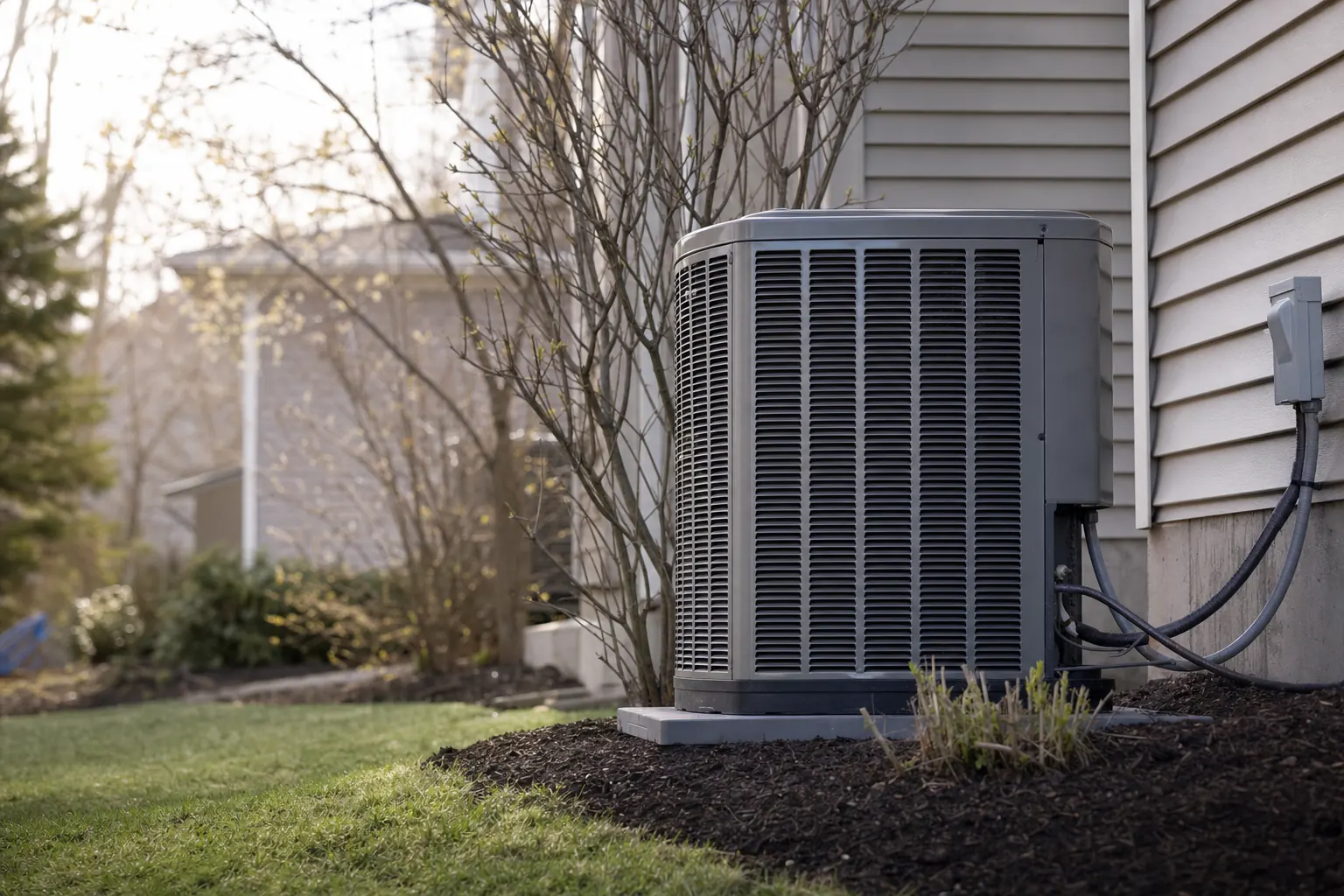
Maintain about two feet of clearance around the condenser, clear leaves and debris from the top and sides, and gently rinse the coil with a hose when it looks dirty. Coastal homeowners should rinse more often to slow salt corrosion.
- 4
Keep a simple repair log
Note the date, diagnosis, part, labor cost, and warranty coverage for every repair. A documented pattern of repeat failures is more useful than a one-number shortcut when you compare another repair with replacement.
- 5
Plan replacement before the failure, not after
Once a system passes the typical age for its type or repairs start stacking up, get replacement quotes during the spring or fall shoulder season.
Sources and fact-checking
Reviewed July 22, 2026. We favor primary government and standards sources for safety, efficiency, and regulatory claims. These references support the technical and consumer guidance on this page.