Reviewed July 25, 2026
HVAC Rescue Editorial Team
Editorial StandardsWhy timing matters more than most homeowners expect
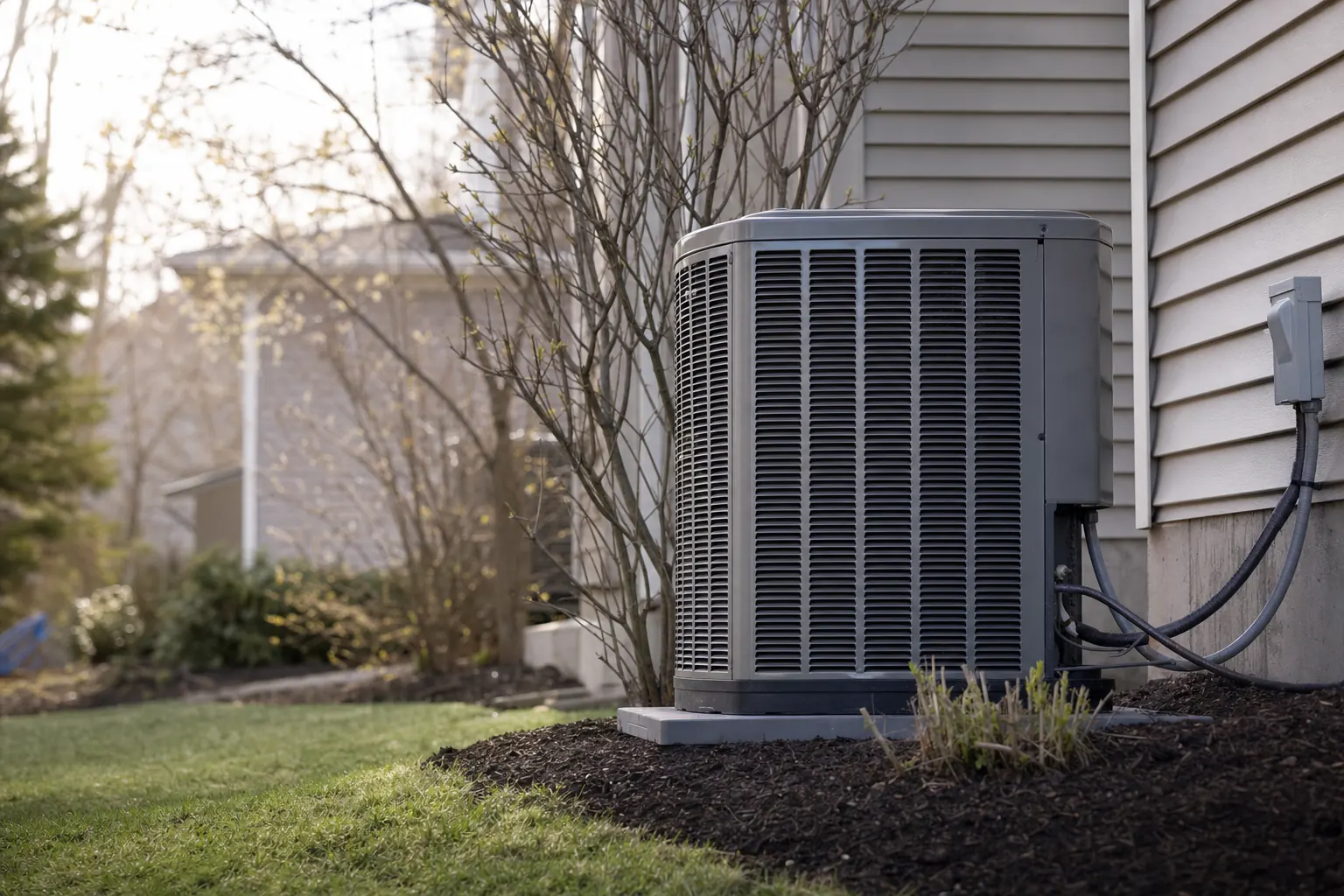
There is rarely a convenient time for an air conditioner to quit, but there is usually a better time to replace one. Homeowners who plan ahead typically have more equipment choices, more time to compare bids, and less pressure to say yes to the first option presented during a heat wave. That calmer process matters because AC replacement is not just buying a box outside. It is selecting capacity, efficiency level, airflow setup, and installation details that affect comfort and operating cost for years.
The worst time to make that decision is when the house is already hot and the system has failed during peak summer demand. Contractors are often busiest then, and your goal shifts from making the best long-term choice to restoring cooling as fast as possible. If your current system is aging, struggling on very hot afternoons, or facing repeated repairs, replacing it before peak season often gives you a better chance to weigh trade-offs instead of making an emergency purchase.
The best seasons to replace an AC
For many homes, the easiest time to replace central air is in the shoulder seasons, usually spring or fall. Those months tend to be less punishing indoors if the old unit is shut down during installation, and they often allow more scheduling flexibility. More importantly, you can slow down enough to compare system types, ask whether the existing ductwork is helping or hurting performance, and decide if upgrades like a new thermostat, filtration changes, or minor duct corrections belong in the same project.
That does not mean summer replacement is always wrong. If the system has failed beyond reasonable repair, replacement may be the practical answer no matter the month. But if the unit is still operating and you already know it is near the end of its useful life, acting before the first major heat wave is usually the smarter move. A planned replacement also lets you budget for the full job rather than reacting only to the immediate failure.
- Fall is often a strong planning window because you can replace after the cooling load has dropped and before winter projects crowd the calendar.
- Spring can also work well, especially if your AC struggled the previous summer and you do not want to test it again on the hottest week of the year.
- Mid-summer replacements are common, but they are more likely to feel rushed because comfort is already compromised and demand is high.
- Waiting until the unit completely stops can remove your ability to compare options like efficiency tiers, noise levels, and warranty terms with a clear head.
How old is old for an air conditioner?
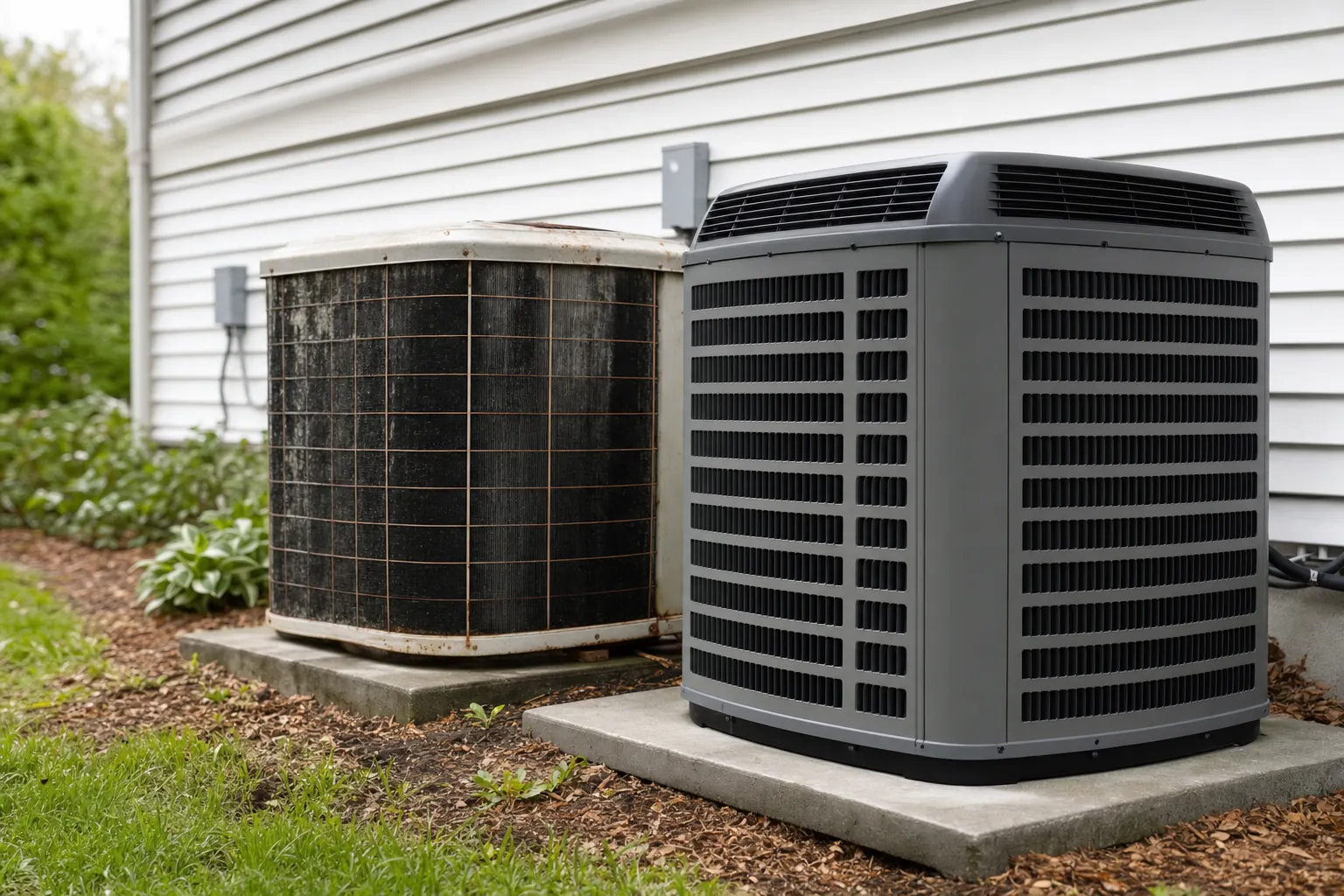
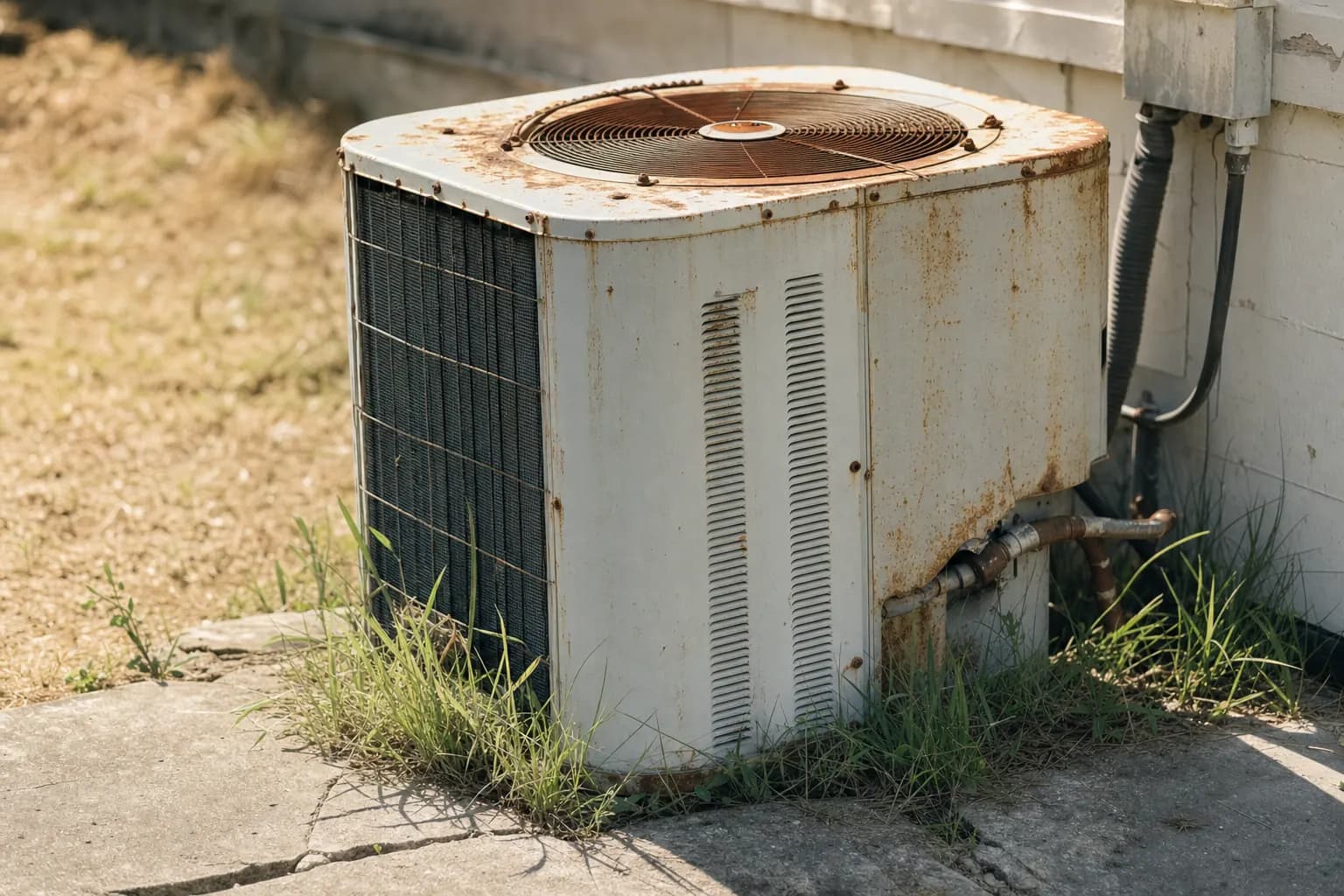
Most central air conditioners enter serious replacement consideration somewhere around 10 to 15 years old, sometimes longer with good maintenance and reasonable use. Age by itself does not mean a system must be replaced. Some units at 12 years are still sound, while others at 9 years have major wear from heavy run time, poor maintenance, coastal corrosion, oversized operation, or chronic airflow problems. The key is that age changes the repair decision. The older the system, the less time you have to recover the cost of a major repair before another expensive problem appears.
It also changes parts availability and refrigerant economics. Many older systems use refrigerants that are becoming more expensive and less practical to keep servicing as the industry transitions to newer refrigerants. If an older unit develops a leak or compressor problem, the repair cost can climb quickly because the issue is not just the failed part. It may involve labor, refrigerant recovery, leak location, sealed-system work, and the risk that another component fails soon after. Refrigerant and sealed-system work should always be handled by a qualified licensed technician.
Repair or replace: the math that usually decides it
The right replacement timing often comes down to repair math, not just age. A small repair on a middle-aged system can make sense. A major repair on an older system often does not. Homeowners commonly face this choice when the compressor fails, the evaporator coil leaks, or multiple parts have failed within a short period. If one repair costs a large share of a new system, or if you have had several service calls in the last two cooling seasons, replacement usually deserves a serious comparison instead of an automatic repair.
For 2025-2026 planning, a central air conditioner and matching indoor coil, a full system with a furnace or air handler plus the outdoor condenser, and a major component repair are separate scopes. Size, efficiency, electrical needs, line-set condition, drain work, and local labor markets affect which standardized pricing-table scenario applies. Those cost differences explain why a big repair on a 12- to 15-year-old unit often pushes owners toward replacement.
- If the unit is under about 10 years old and the repair is modest, repairing may still be the sensible path.
- If a single repair approaches roughly one-third to one-half of the replacement cost on an older unit, many homeowners start leaning toward replacement.
- If you have already paid for repeated capacitor, contactor, fan motor, or refrigerant-related calls, look at the total spent over the last few years, not just the current invoice.
- If comfort is poor even when the system is technically running, spending more money on repairs may not solve the real problem if sizing, airflow, or duct issues are involved.
Efficiency, comfort, and why newer equipment changes the decision
Replacement is not only about avoiding future breakdowns. It can also improve comfort and operating cost, though the savings depend on what you have now, your climate, and how your home is used. Older systems may have lower efficiency ratings than current equipment, and some lose real-world performance over time because coils are worn, compressor performance drops, or airflow has never been correct. On hot days, that can show up as long run times, warm back bedrooms, poor humidity control, or a house that never quite reaches the thermostat setting until late at night.
Newer equipment gives you more choices than simply bigger or smaller. Single-stage systems are usually the lower-cost replacement path, but two-stage and variable-capacity systems can offer steadier temperatures, better humidity removal, and quieter operation when properly matched to the home. Higher efficiency can reduce electricity use, but the highest rating is not always the best value. In some homes, putting part of the budget into duct sealing, return-air improvements, attic insulation, or air leakage reduction delivers more comfort than buying the very top efficiency tier.
This is one reason a planned replacement is valuable. It gives time to ask how the existing system was sized, whether the blower and ducts are moving enough air, and whether the new outdoor unit will be matched to the indoor coil and controls. A high-efficiency condenser installed on weak ductwork or poor airflow will not perform as advertised. Good installation details often matter as much as the equipment label.
Signs you should replace before next summer
A unit does not need to be fully dead to justify replacement planning. Some systems give clear warning signs during the season before they fail completely. If your AC runs almost nonstop on hot afternoons, struggles to keep up in rooms that used to cool fine, or has become noticeably louder, that may indicate declining performance. Rising electric bills without a change in usage can point the same direction, especially if maintenance has already been done and the system still underperforms.
Frequent repairs are another major signal, especially if they come in clusters. One failed capacitor in ten years is not the same as a sequence of fan motor, contactor, drain, and refrigerant problems in back-to-back summers. Moisture around the air handler, ice on the refrigerant line, short cycling, weak airflow, or uneven cooling can all have multiple causes, so they need professional diagnosis. But if those issues are happening on an older system, it is reasonable to start planning a replacement before peak weather forces the decision.
- Your system is in the 10- to 15-year range or older and has already needed more than one meaningful repair.
- A recommended repair would consume a large share of the cost of a new system.
- Cooling is uneven, humidity is staying high, or the unit struggles on the hottest days even after service.
- Your system uses older refrigerant and a technician has warned that future leak or sealed-system repairs may be costly or difficult.
- You are planning to stay in the home long enough to benefit from better comfort, lower operating cost, or fewer repair surprises.
How to plan a replacement on your terms
Start before the system is in crisis. If your AC is aging, schedule an evaluation while it is still running so a contractor can assess condition, refrigerant type, airflow, electrical setup, and any visible duct or drain issues. Ask what repairs are likely in the next one to three years, not just what is wrong today. That question often reveals whether you are looking at a one-time fix or a unit that is entering a cycle of chasing failures. If the answer points toward replacement, get multiple written estimates and compare what is actually included.
The scope matters. Two proposals with similar equipment names can differ in important ways: new indoor coil or not, line-set replacement or flush, pad and disconnect, condensate drain upgrades, thermostat, filter base, supply plenum transitions, permits, startup testing, and warranty terms. Also ask whether the contractor evaluated the duct system and performed a load calculation or at least reviewed home size, insulation, windows, and airflow conditions. A quick like-for-like swap may be fine in some houses, but not in every one.
Budgeting ahead also helps you make better decisions. If you know replacement is likely within a year or two, start setting aside funds before the emergency arrives. That way you can choose based on value rather than only the fastest available fix. HVAC Rescue is a nationwide service that helps homeowners find independent HVAC contractors for local estimates and evaluations.
Sources and fact-checking
Reviewed July 25, 2026. We favor primary government and standards sources for safety, efficiency, and regulatory claims. These references support the technical and consumer guidance on this page.
- ENERGY STAR heating and cooling guidanceENERGY STAREfficiency, replacement planning, qualified equipment, and contractor questions.
- Clean heating and coolingENERGY STARCentral-system sizing, efficiency, replacement planning, installation, and maintenance.
- Consumer central air conditioners and heat pumpsU.S. Department of EnergySEER2, EER2, HSPF2, test procedures, and current federal efficiency standards.