Reviewed July 22, 2026
HVAC Rescue Editorial Team
Editorial StandardsSeasonal furnace tune-ups across North Carolina
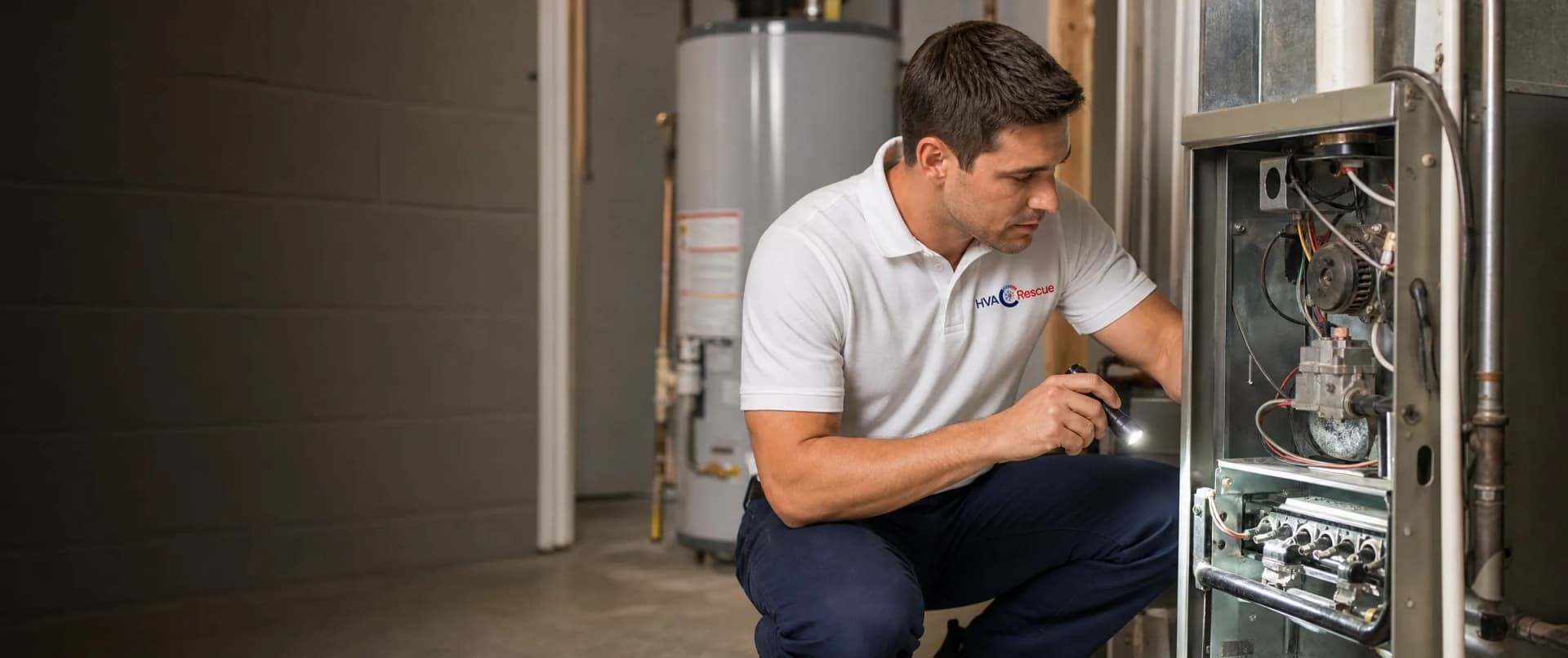
A furnace tune-up is the right starting point when the heat still works, but the system is due for seasonal service or has started showing mild warning signs. Common examples include a furnace that has not been serviced in about a year, heating bills that have crept up, short cycling, new noises, or rooms that feel cooler than they should while the heat is running. The goal is to inspect, clean, and test the furnace before a small issue turns into a cold-weather breakdown.
This service is different from furnace repair, installation, or replacement. A tune-up fits a working furnace that needs maintenance and a professional inspection of items such as burners, the heat exchanger, airflow, and safety controls. If the furnace will not start, repeatedly trips the breaker, or has a serious safety concern, that moves beyond routine maintenance and needs direct diagnosis by a qualified professional.
Furnace Tune-Up in North Carolina: what’s different here
North Carolina's mixed-humid climate means HVAC systems spend much of the year handling heat and moisture before turning to heating in the colder months. That puts extra value on furnace tune-up service for homes that rely on furnaces or heat pumps across the coast, the Piedmont, and the western mountains, where winter needs can feel very different.
In North Carolina, humid weather can leave condensate drains clogged and create comfort problems that carry into the heating season. Near the coast, salt air can be tough on outdoor equipment, while in the mountains and older homes, systems may show their age when heating demand rises.
Schedule furnace tune-up service before colder weather settles in, especially if your home has a heat pump or older equipment that has to handle a wide range of North Carolina conditions.
- North Carolina homes need heating that can handle mild coastal winters and colder mountain weather.
- Humidity and long cooling seasons make seasonal HVAC maintenance especially important.
- Heat pumps are common across much of the state and benefit from pre-winter attention.
- Coastal salt air and aging equipment can add extra wear in some areas.
Furnace Tune-Up decisions for North Carolina homes
Prepare a functioning furnace for heating season while separating routine inspection from any active ignition, combustion, airflow, or control failure. For North Carolina, the relevant state focus is season timing, weather exposure, equipment mix, winter preparation fuel combustion and freeze exposure. Use maintenance for a working furnace that needs inspection and cleaning; route no heat, gas odor, soot, rollout, limit cycling, unusual flame, or recurring shutdown to repair or emergency response.
How much does furnace tune-up cost in North Carolina?
Furnace tune-up scope in North Carolina varies with system type, condition, access, included measurements, cleaning, combustion checks, and safety testing. The factors below define the work.
- The maintenance tasks included in the provider's tune-up visit
- The type and configuration of the heating system
- The age and overall condition of the furnace
- How accessible the equipment and components are
- Whether the visit is a one-time service or part of a maintenance plan
- How long it has been since the last professional service
- The amount of cleaning needed beyond a routine inspection
- Local labor rates and market conditions in your area
- Seasonal demand for heating service appointments
- Whether worn parts or other issues are identified during the visit
- Filter replacement or other add-on maintenance items
- Provider-specific service packages and offerings
Get furnace tune-up help in North Carolina
One quick call connects you with HVAC pros who service your area. No pressure, no obligation.
North Carolina climate & seasonal demand
Winters are mild near the coast and colder in the mountains, calling for dependable heating. Heat pumps are a common, efficient choice across much of the state.
North Carolina has a varied climate, from a humid, warm coast to cooler mountains in the west. Summers are generally hot and humid, while winters are mild to cold depending on elevation.
A furnace tune-up is especially useful before the first real cold stretch, because North Carolina winters can shift from mild to unexpectedly chilly depending on where you live. It also helps homeowners who use heat pumps get ready for cool winter stretches when the system has to work steadily across changing conditions.
When a furnace is maintained before peak heating season, it is better positioned to provide even comfort without working harder than necessary. That matters in North Carolina, where homes may need reliable heating after months of heavy cooling use and where comfort can vary a lot between the coast and the mountains.
- Summer humidity straining cooling performance
- Heat pumps working through cool winter stretches
- Salt air affecting outdoor units near the coast
- Clogged condensate drains in humid weather
- Uneven comfort between coastal and mountain conditions
- Aging equipment handling a wide range of weather
Before you call: what to have ready
Before your appointment, make sure the furnace area is clear and easy to access, and replace or note the condition of the air filter if your system uses one. It also helps to write down any unusual noises, uneven heating, or recent comfort changes so the HVAC professional can review them during the tune-up. For Furnace Tune-Up in North Carolina, relate this guidance to the actual equipment, property, and written scope.
Questions to ask before approving work
- Are you licensed and insured for HVAC work in this state?
- Will a technician give a written, itemized estimate before any work starts?
- Is the diagnostic fee waived or credited if I approve the repair?
- For a new system, will you run a Manual J load calculation to size it correctly?
- What parts and labor warranties come with the repair or installation?
- Are your technicians NATE-certified or manufacturer-trained?
- Can you pull the required permits and schedule any needed inspection?
- Do you offer financing or maintenance plans, and what do they cover?
What happens during service
- 1
Tell us you need furnace maintenance
Let us know you're looking for a furnace tune-up so we can route your request appropriately.
- 2
Share your location
Tell us where you are in North Carolina so we can match you with providers that service your area.
- 3
Get connected to a provider
We connect you with an independent provider for seasonal heating maintenance. Because HVAC Rescue is a nationwide connection service, availability may vary by location and provider.
- 4
Discuss scope and timing
Confirm what the tune-up includes, ask any questions about your heating system, and schedule the visit directly with the provider.
- 5
On-site tune-up visit
The provider inspects the furnace, cleans accessible components, checks operation, and reviews key heating and safety functions as part of the maintenance appointment.
- 6
Review the results
After testing and inspection, the provider explains the system's condition and points out anything that may need attention.
- 7
Decide on any follow-up service
If the provider recommends repairs or additional maintenance, you can review next steps and timing directly with them.
Furnace Tune-Up in North Carolina: common questions
Why is a furnace tune-up important for North Carolina homeowners?
Do Charlotte and Raleigh homes need furnace tune-up service before winter?
Is furnace maintenance different in Asheville or western North Carolina?
What should I do if my North Carolina furnace is making odd noises or heating unevenly?
Sources and fact-checking
Reviewed July 22, 2026. We favor primary government and standards sources for safety, efficiency, and regulatory claims. These references support the technical and consumer guidance on this page.
- Heating and cooling maintenance checklistENERGY STARProfessional tune-up scope, filters, airflow, coils, drains, and safety checks.
- Clean heating and coolingENERGY STARCentral-system sizing, efficiency, replacement planning, installation, and maintenance.
- Air cleaners and air filters in the homeU.S. Environmental Protection AgencyFilter performance, indoor-air limitations, and proper use of portable and HVAC filters.