Reviewed July 22, 2026
HVAC Rescue Editorial Team
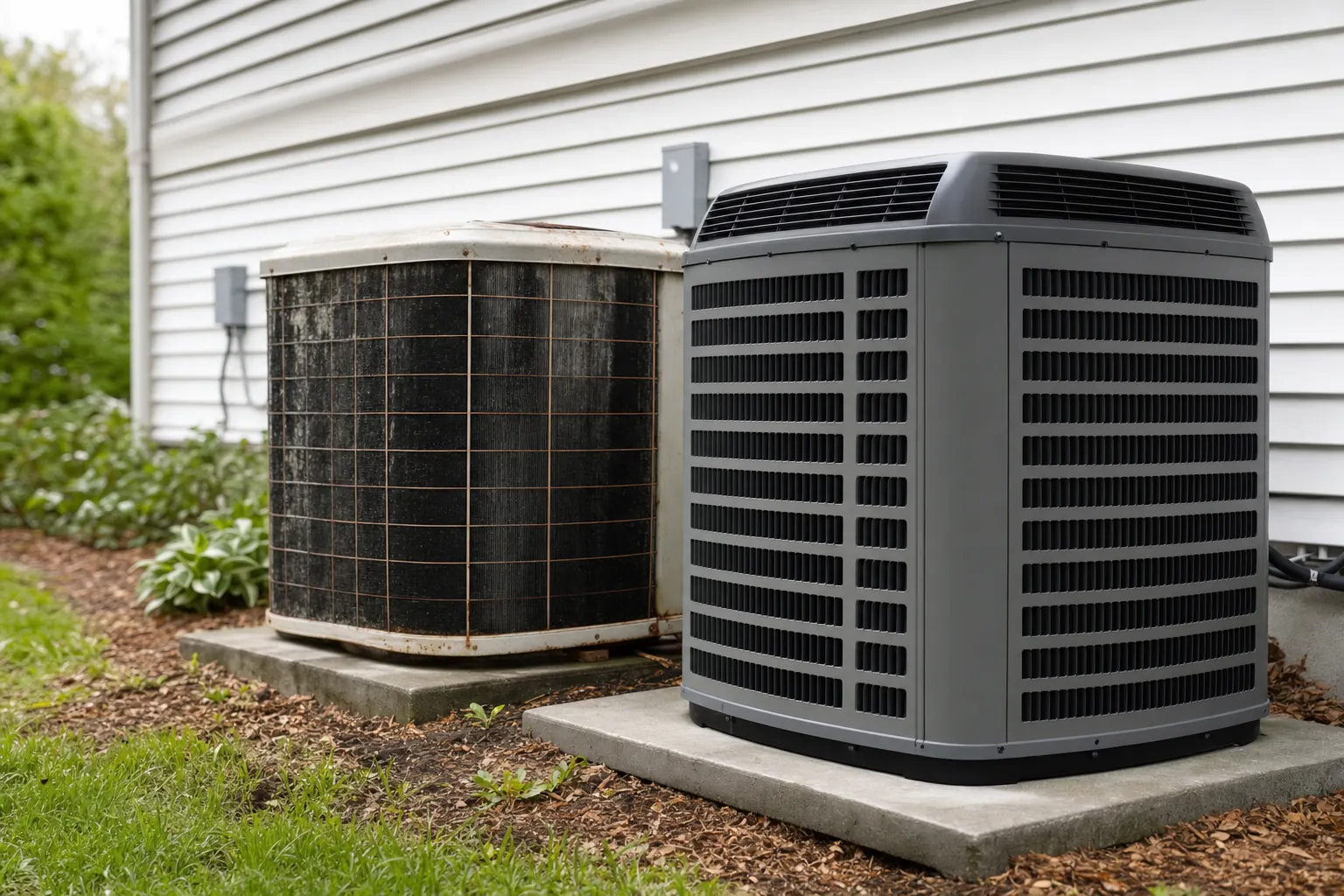
Editorial StandardsWhich refrigerant your air conditioner uses is strongly tied to when it was built, and in 2026 that fact can affect a repair-or-replace decision. Many older systems use R-22, for which U. S. production and imports ended in 2020; reclaimed R-22 remains available for service. R-410A later became the dominant residential refrigerant and remains legal for repairing existing systems. EPA generally limits newly manufactured or imported residential split-system equipment to refrigerants with a global warming potential below 700, and R-454B and R-32 are common current choices. EPA also finalized a rule scheduled to take effect July 27, 2026 that allows qualifying higher-GWP equipment manufactured or imported before January 1, 2025 to continue to be installed. R-410A service components may still be manufactured, sold, and installed to repair existing R-410A systems.
The short version for homeowners: keep servicing a working R-410A system when repair still makes financial sense, treat a major refrigerant leak on an R-22 system as a reason to compare repair with replacement, and expect most newly manufactured residential split systems to use R-454B or R-32. Refrigerant availability and contractor pricing vary by market, so ask for an itemized quote rather than making a decision from a national supply headline. The rest of this guide covers what each refrigerant costs, what the current rules say, and how to make the repair-versus-replace call without being hurried by a scary-sounding sales pitch.
R-22: Reclaimed-Only and Expensive
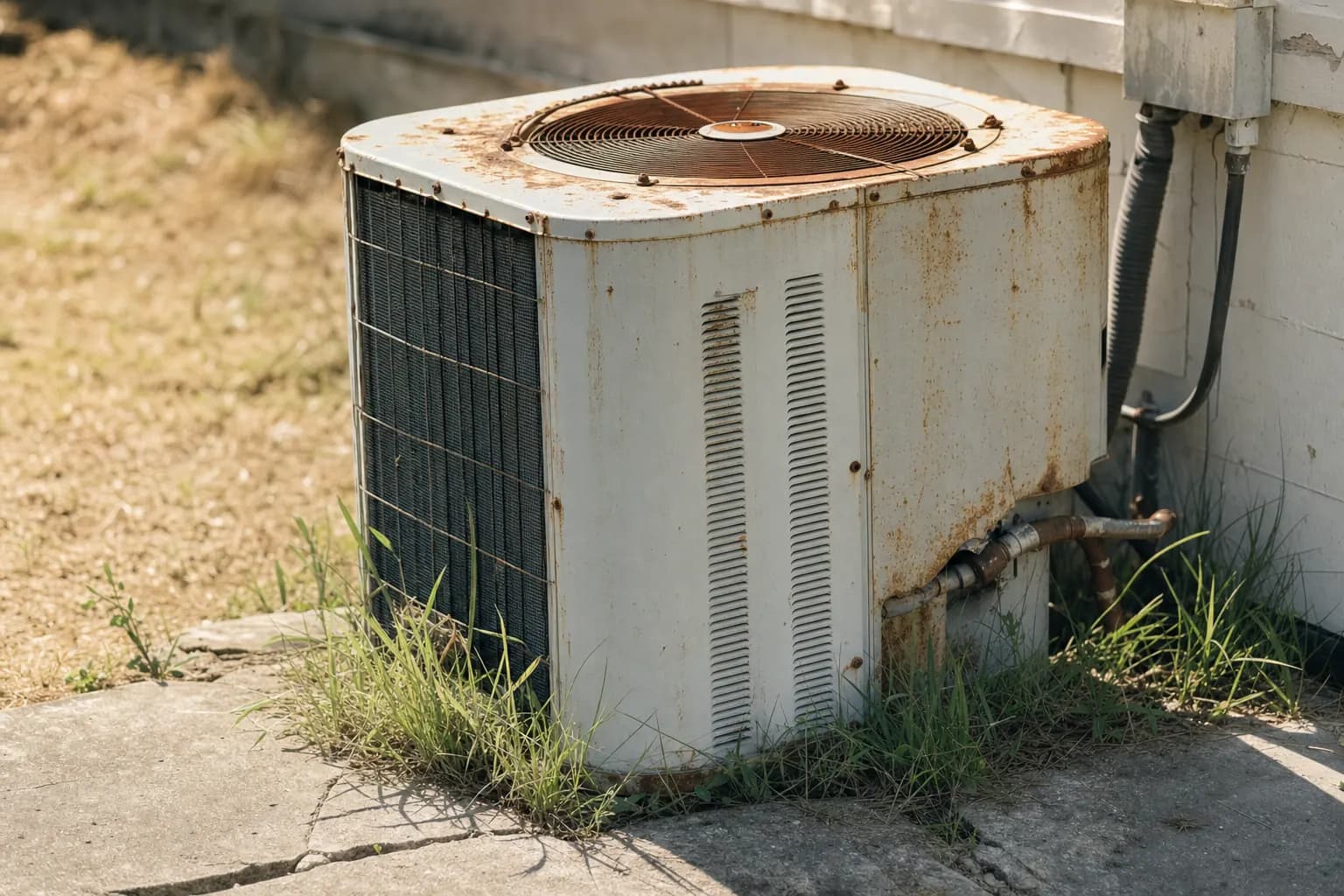
R-22 — often called by the brand name Freon — is an ozone-depleting refrigerant phased out under the international Montreal Protocol. U. S. production and imports ended on January 1, 2020. Federal rules ended production of new equipment charged with R-22 in 2010, although remaining inventory could be installed later, so confirm equipment age from the model and serial number instead of assuming it from refrigerant alone. Reclaimed R-22 can still be used to service existing equipment. Because supply, leak-search labor, repair scope, and required charge vary, request an itemized diagnosis before comparing repair with replacement. Non-refrigerant repairs such as capacitors, fan motors, and contactors can remain reasonable when the rest of the system is in sound condition. A confirmed leak deserves a broader comparison that includes repair history, remaining service life, warranty coverage, efficiency, and a complete replacement proposal.
R-410A: Phasing Down, Not Banned
R-410A (brand name Puron) replaced R-22 and does not harm the ozone layer, but it is a potent greenhouse gas, with a global warming potential (GWP) of 2,088 — about two thousand times that of carbon dioxide. Under the AIM Act of 2020, the EPA is cutting HFC production and imports in steps: allowances dropped to 60 percent of baseline in 2024, fall to 30 percent in 2029, and reach an 85 percent reduction by 2036. Since January 1, 2025, manufacturers can no longer build residential air conditioners or heat pumps that use refrigerants with a GWP above 700, which rules out R-410A in new equipment. What the rules do not do is ban servicing. There is no date on which an existing R-410A system becomes illegal to run, refill, or repair. Supply will tighten gradually and prices will drift upward as it does. For the standardized R-410A service scopes used by this site, a 1- to 2-pound top-off with the service call is $200 to $400, while a 6- to 12-pound full recharge after repair is $400 to $1,100. Reclaimed R-410A is entering the market to stretch supply further. A sales pitch built on 'R-410A is banned, you must replace now' is misreading the rules.
Cost ranges are estimates developed from standardized project scopes and reviewed pricing inputs. Government labor and regional cost data are used where applicable. See our Pricing Methodology for the exact sources, calculations, and review date. Actual prices vary by property, scope, materials or equipment, location, and provider.
A recent federal rule change matters if you are shopping. EPA finalized a rule on May 26, 2026, scheduled to take effect July 27, 2026, that removes the federal installation deadline for residential and light-commercial R-410A equipment manufactured or imported before January 1, 2025. State and local requirements can be stricter, and availability depends on documented inventory, so ask the contractor to identify the manufacture date, refrigerant, applicable code, written warranty, and AHRI-matched equipment. If you are offered older inventory at a discount, compare the total installed price, efficiency, parts support, and long-term refrigerant outlook with a current lower-GWP system rather than deciding on refrigerant alone.
Not sure which refrigerant your system uses, or weighing a repair quote against replacement? HVAC Rescue can connect you with local HVAC professionals who can identify your system and price out both paths.
(866) 373-0169R-454B and R-32: The New A2L Refrigerants
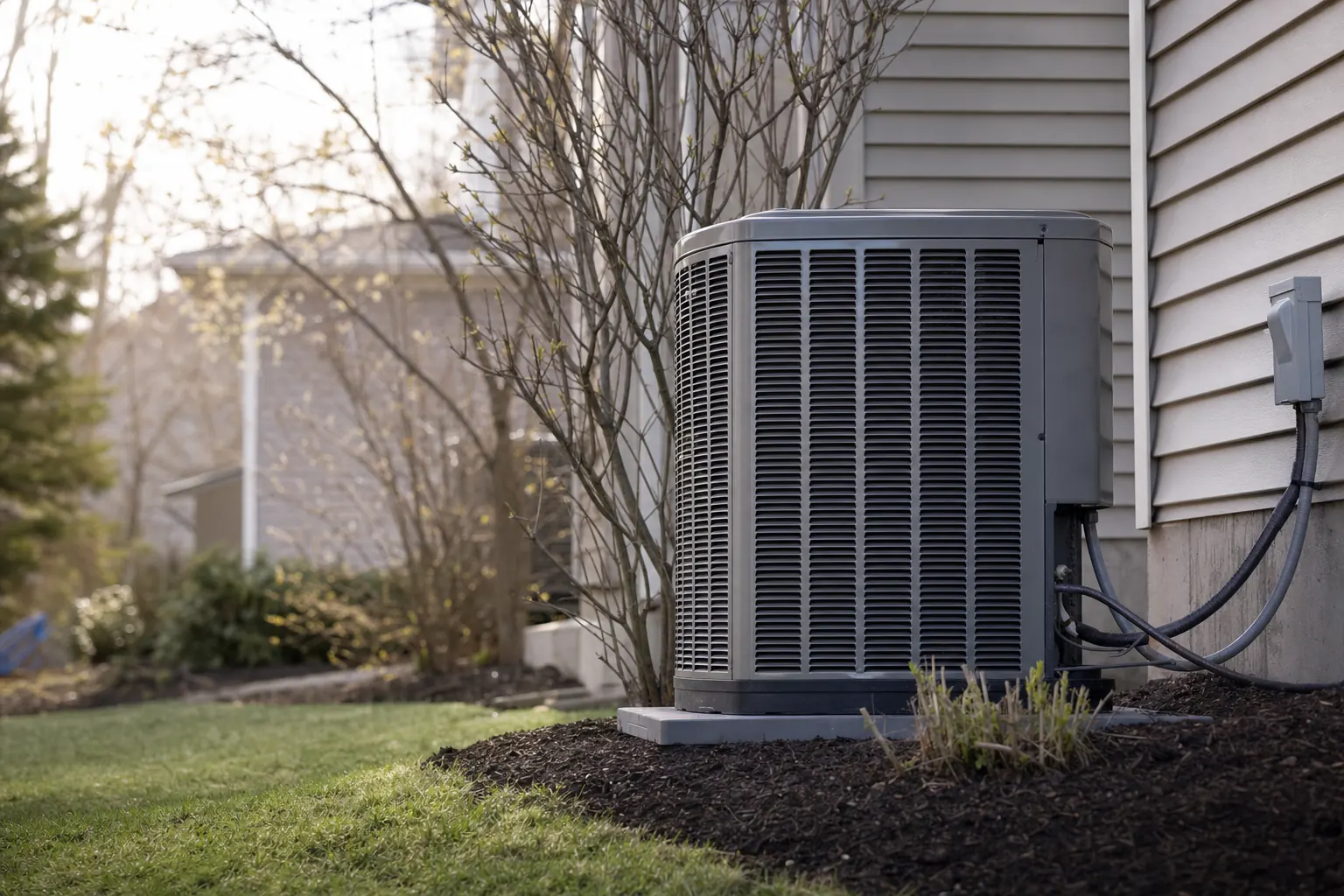
Most newly manufactured residential split equipment now uses one of two refrigerants from the A2L class. R-454B is a blend with a global warming potential below the EPA limit, while R-32 is a single-component refrigerant that also falls below that limit. Compare the complete matched-system model numbers, refrigerant, warranty terms, and local service support on each proposal instead of choosing from a refrigerant name alone.
Repair or Replace: How the Refrigerant Changes the Math
- 1
Identify your refrigerant
Check the nameplate on the outdoor unit — it lists the refrigerant (R-22, R-410A, R-454B, or R-32) and the factory charge in pounds. The manufacture date on the same label, or your home's closing documents, tells you the system's age.
- 2
Get leak details in writing
If a technician says the system is low, ask where the leak is, how many pounds are needed, and the per-pound price. 'Low on refrigerant' always means a leak somewhere: refrigerant circulates in a sealed loop and is not consumed like fuel, so a top-off without a leak diagnosis is a bill you will pay again.
- 3
Run the numbers
Compare an itemized repair diagnosis with a complete replacement proposal. Include warranty coverage, repair history, system age, the failed component, efficiency, comfort, and how long you expect to remain in the home; no single formula can settle the decision.
- 4
Compare replacement quotes on refrigerant, not just price
Ask which refrigerant each proposed system uses. Outside New York, you may see discounted pre-2025 R-410A inventory alongside R-454B and R-32 models — cheaper up front, but tied to a shrinking-supply refrigerant for the life of the unit.
- 5
Ask about reclaimed refrigerant
For topping off an older system after a leak repair, reclaimed R-22 or R-410A meets the same AHRI-700 purity standard as virgin product and can trim the refrigerant portion of the bill.
For buyers, 2026 is a much calmer year than 2025 was. R-454B and R-32 equipment is stocked, the refrigerant to service it is available, and installers are into their second full season with the new systems. For everyone else, the phase-out rewards patience rather than panic. A healthy R-410A system may need no refrigerant at all for years at a time — the circuit is sealed — and servicing it remains legal indefinitely. Replace when age, repeated breakdowns, or efficiency make the case; the refrigerant timeline on its own rarely does. When you want a professional read on your specific system, a technician certified under EPA Section 608 can confirm what it runs on, test for leaks, and give you honest numbers for both the repair path and the replacement path.
Sources and fact-checking
Reviewed July 22, 2026. We favor primary government and standards sources for safety, efficiency, and regulatory claims. These references support the technical and consumer guidance on this page.
- Technology Transitions ProgramU.S. Environmental Protection AgencyCurrent restrictions and transition rules for high-global-warming-potential HFC equipment.
- Section 608 technician certification requirementsU.S. Environmental Protection AgencyFederal certification requirements for work that can release regulated refrigerants.