Reviewed July 25, 2026
HVAC Rescue Editorial Team
Editorial StandardsWhy the contractor matters as much as the equipment
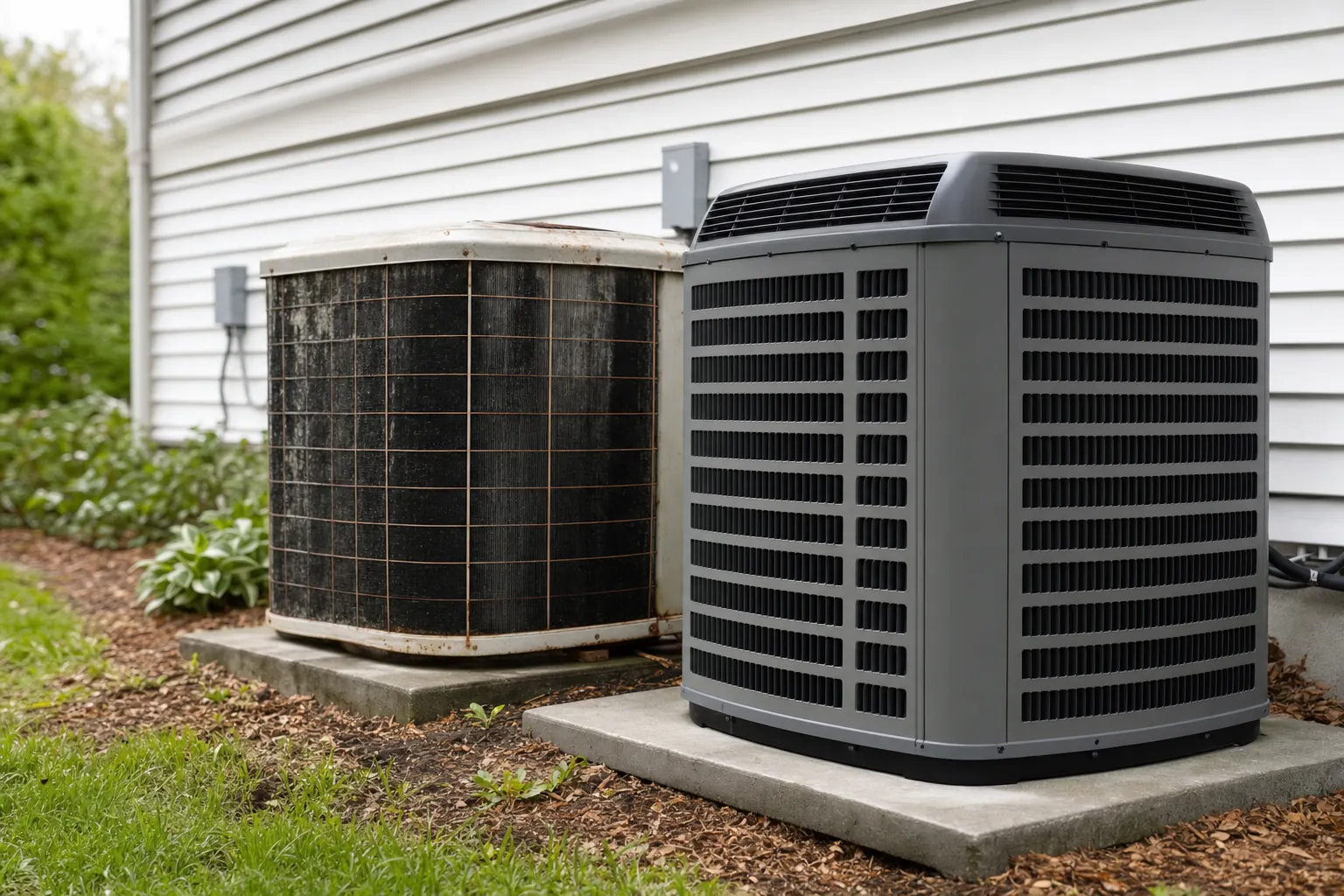
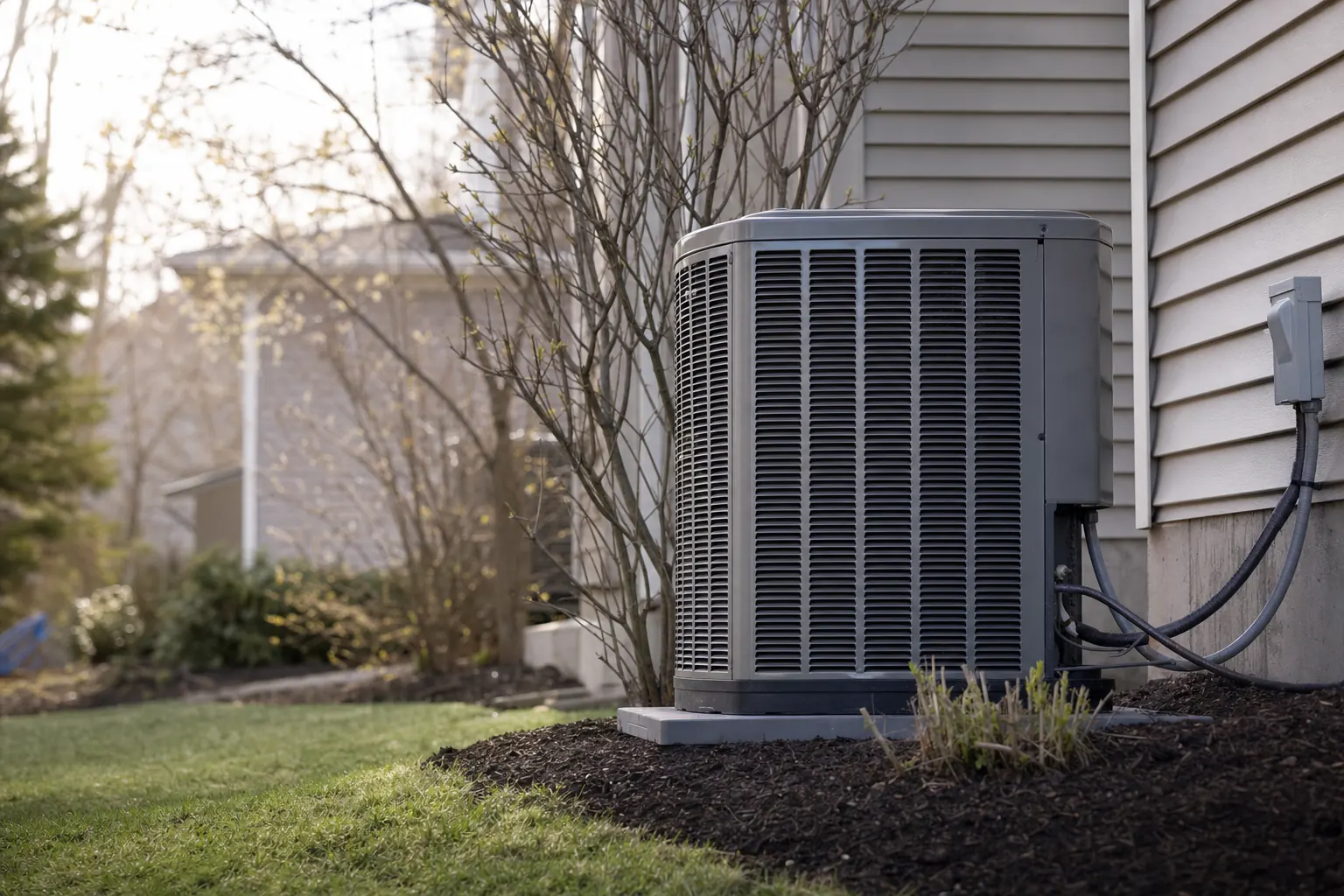
Replacing a furnace, air conditioner, heat pump, or full system is not just a product purchase. It is a design-and-installation job that affects comfort, humidity, noise, utility bills, safety, and how long the equipment lasts. Two homes can get the same brand and model number and end up with very different results depending on duct condition, airflow setup, refrigerant charging, combustion setup, controls, and whether the system was actually sized for the house.
That is why the safest approach is to ask each contractor the same specific questions and compare the answers side by side. A careful company should be able to explain what it plans to install, why that size was chosen, what permits are required, who will do the work, and what measurements will be taken before the job is considered complete. Vague answers usually mean you are being asked to trust a process that has not been thought through.
Licensing, insurance, and who will actually be in your home
Start with the basics: ask whether the company is licensed to perform HVAC work in your city, county, or state, and ask for the license number. Licensing rules vary widely. In some areas the company holds the license; in others, an individual qualifier does. Either way, you want a contractor that can clearly show it is legally allowed to pull permits and perform the type of work your project requires, especially if gas piping, venting changes, electrical work, or duct modifications are involved.
Insurance matters for reasons homeowners often do not think about until there is a problem. Ask for proof of general liability insurance and workers' compensation coverage, not just a verbal yes. Liability insurance addresses accidental property damage. Workers' compensation helps if an installer is hurt on the job. Also ask who will actually perform the installation: direct employees, subcontractors, or a mix. Subcontracting is not automatically bad, but you should know who is responsible for supervision, code compliance, and callbacks if something is wrong.
- Ask for the full business name on the license and make sure it matches the name on the proposal and certificate of insurance.
- Ask whether the same company that sells the job also pulls the permit and oversees the final inspection.
- Ask whether lead installers hold any manufacturer training or specialty certifications, but treat certifications as secondary to licensing, permitting, and documented process.
- Ask who handles electrical, gas, and ductwork portions of the job if those trades are needed, and whether those people are employees or subcontractors.
How the contractor will size the system
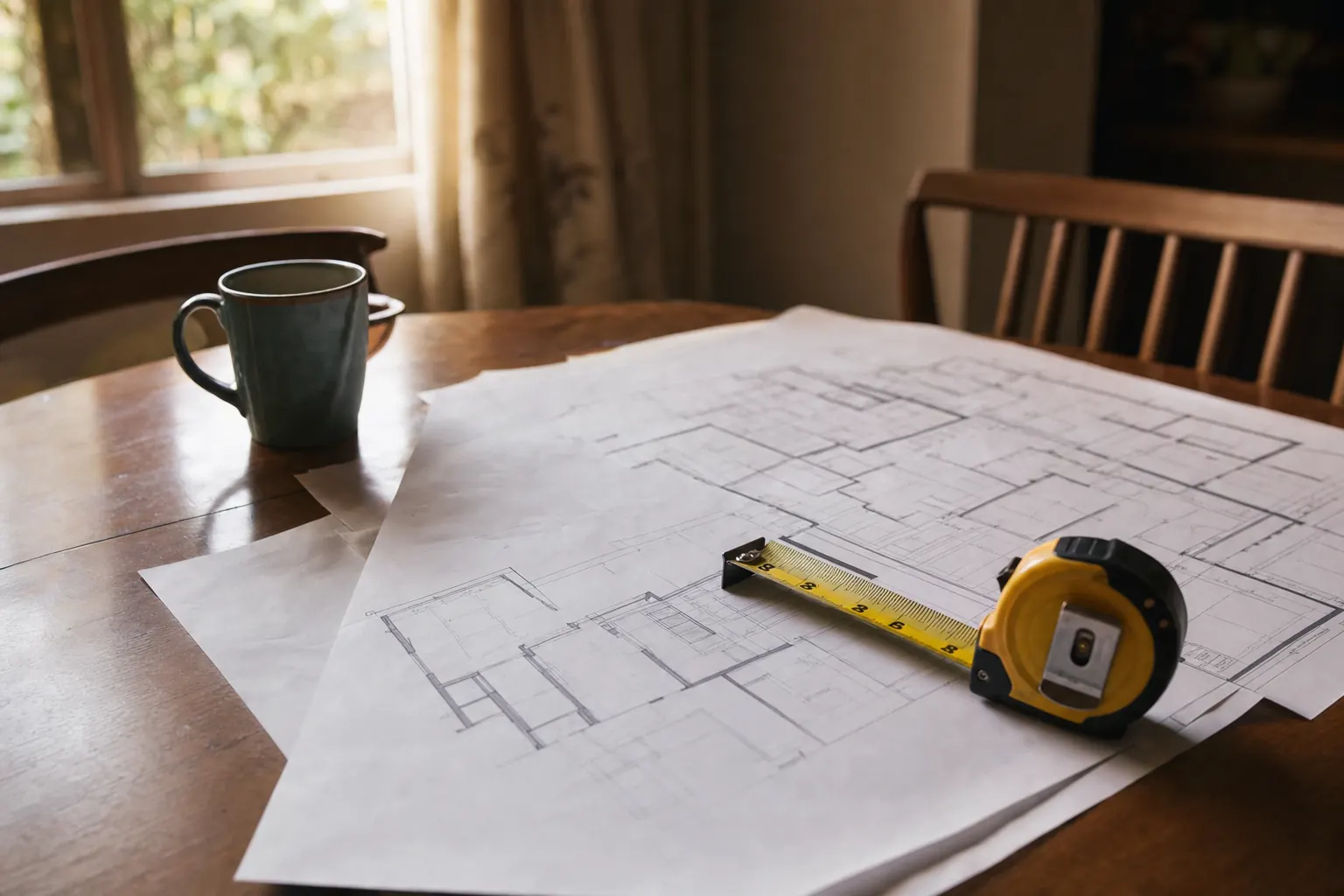
One of the most important questions is whether the contractor will perform a load calculation instead of simply matching the old unit. Old equipment is often oversized, sometimes by a lot. A proper load calculation, commonly called a Manual J, looks at square footage, insulation levels, window area and orientation, air leakage, ceiling height, climate, occupancy assumptions, and more. For replacement jobs, the contractor should also evaluate the duct system, because the right equipment can still perform poorly if the airflow path is undersized, leaky, or badly laid out.
Ask what inputs are being used for the calculation and whether the contractor will inspect the home indoors, not just measure from outside. Then ask how the result translates into equipment selection. A good answer may include why a 2. 5-ton unit is more appropriate than the old 4-ton unit, or why a two-stage or variable-speed system may control humidity better than single-stage equipment in your climate. Bigger is not safer. Oversized air conditioners can short cycle, remove less moisture, and leave rooms clammy even while they hit the thermostat setting quickly.
For furnaces and heat pumps, ask how the company checks delivered airflow and static pressure. A high-efficiency system still needs enough air moving across the indoor coil or heat exchanger. Typical residential cooling airflow targets are often around 350 to 450 cubic feet per minute per ton, depending on the equipment and conditions. If the ducts cannot support that range, the answer should not be a shrug. It should lead to a discussion about duct repairs, return-air improvements, filter cabinet changes, or a different equipment match.
What a written estimate should include
Do not rely on a one-line quote that says only “replace system” with a total price. A useful estimate should identify the equipment being proposed by type and efficiency, and ideally by model family or exact model number if known. It should separate major scope items such as indoor equipment, outdoor equipment, thermostat, drain safety devices, line-set work, pad or stand, electrical upgrades, duct modifications, permit fees, and labor. This is the only way to compare bids that may look similar at the top line but include very different work.
Ask for more than one option if you are open to trade-offs. A straightforward central air conditioner and furnace replacement should be compared using the same standardized equipment, duct, electrical, permit, and access scope. Heat-pump replacements and dual-fuel systems involve different equipment and installation scopes. Higher efficiency and variable-capacity equipment can lower operating costs and improve comfort, but the payback depends on climate, local utility rates, runtime, and whether the duct system is good enough to let that equipment perform as intended.
Also ask what is excluded. Many homeowner disputes come from assumptions about items that were never included: drywall repair after access cuts, asbestos or mold remediation, condensate pump replacement, crane charges, code-triggered electrical upgrades, thermostat wire replacement, or permit reinspection fees if another party caused a failure. Clear exclusions are not a red flag by themselves. They are a sign the contractor has thought about the job in real terms.
- The estimate should state equipment efficiency in plain terms, such as SEER2, EER2, AFUE, or HSPF2 where applicable, not just “high efficiency. ”
- Ask whether the proposal includes a new thermostat and whether all staged or variable features of the equipment will actually be enabled.
- Ask whether existing refrigerant lines will be reused, flushed, resized, or replaced, and why. That decision should be based on compatibility, condition, routing, and manufacturer requirements.
- Ask whether filter size and cabinet type will change. A larger media filter can reduce static pressure compared with a restrictive 1-inch filter setup in some homes.
Permits, code compliance, and job timeline
Ask directly: will you pull the permit, and is the permit cost included in the proposal? The contractor, not the homeowner, should usually be the one obtaining the permit for HVAC replacement or installation when local rules require it. A permit creates a record that the work was supposed to meet local code and be inspected. Skipping it may save time up front, but it can create problems later with home sales, insurance questions, warranty disputes, or correction notices if unpermitted work is discovered.
Code compliance is broader than permits. Ask what code-related items the contractor expects to address on your job. That might include condensate overflow protection, disconnect location, service receptacles, flue or vent clearances, combustion air, seismic strapping where required, equipment platform or stand requirements, line-set insulation thickness, float switches, or return-air provisions. A low bid sometimes stays low by ignoring code-triggered updates that another contractor already knows will be necessary.
Then ask for a realistic timeline. A simple equipment changeout may take one day, but many jobs do not stay simple once ducts, electrical corrections, attic access, cranes, slab work, or permit scheduling enter the picture. Ask when equipment can realistically be available, how long the home may be without heating or cooling, whether temporary operation is possible in phases, and what events typically extend a schedule. Honest timeline answers usually include a few uncertainties instead of a guaranteed date that sounds too tidy.
Warranties, references, and how problems are handled
Warranty questions should separate manufacturer coverage from labor coverage. Manufacturer warranties commonly cover parts for a set period if the product is properly registered within the required time window, but they usually do not cover labor, refrigerant, shipping, after-hours charges, maintenance-related issues, or damage from improper installation. Labor warranties come from the installing contractor and can vary substantially in length and in what they exclude. Ask for both in writing and ask who is responsible for submitting registration.
Do not stop at asking whether there is a warranty. Ask how service calls are handled during the labor warranty period, what response process exists if a defect appears right after installation, and whether diagnostic charges are waived for covered issues. Since HVAC Rescue is a connection service and not the contractor, these terms come from the independent company you hire. You want to know, before signing, how that company defines covered workmanship and what documentation it expects if there is later a dispute.
References can still help, but ask targeted questions instead of just requesting a star rating. Try to speak with homeowners whose projects resemble yours: heat pump conversion, older home with duct repairs, zoning, attic installation, or furnace-and-AC replacement. Ask whether the final price matched the proposal, whether the crew protected the home, whether permit inspections occurred, whether the system started on schedule, and whether any callbacks were handled promptly and clearly.
- Ask who registers the manufacturer warranty and when you will receive proof of registration.
- Ask whether annual maintenance is required to keep any labor warranty valid, and get that requirement in writing if it exists.
- Ask for recent references for projects similar in scope, not just any satisfied customer from years ago.
- Ask how change orders are priced and approved if hidden issues are discovered after work begins.
Startup testing, commissioning, and final paperwork
The job is not complete because the thermostat turns the system on. Proper startup, often called commissioning, is what confirms the new equipment is operating within the manufacturer's requirements and the home's airflow reality. Ask what measurements the installer will take and whether you will receive them. For cooling equipment, that may include total external static pressure, temperature split, blower settings, and refrigerant charge verification using manufacturer-approved methods. For furnaces, it may include temperature rise, gas input verification by a qualified technician, combustion analysis where applicable, venting checks, and safety control operation.
For heat pumps, ask how defrost, auxiliary heat staging, thermostat setup, and airflow mode changes will be verified. Ask whether drain slope, trap configuration where required, float switches, line-set insulation, filter fit, return-air sealing, and duct leakage concerns will be checked before closeout. Many nuisance issues in the first year trace back to startup details that were rushed: poor condensate drainage, blower speed left on the wrong tap, thermostat features not configured, or airflow never measured after replacing equipment with a different performance profile.
Before making the final payment, ask what documents you will receive. A solid closeout packet can include model and serial numbers, permit and inspection records, warranty registration confirmation, operating manuals, filter sizes, thermostat setup notes, and startup readings. Those records help if you sell the house, need warranty service, or bring in another technician years later. They also make it easier to verify that what was installed matches what was sold.
Sources and fact-checking
Reviewed July 25, 2026. We favor primary government and standards sources for safety, efficiency, and regulatory claims. These references support the technical and consumer guidance on this page.
- How to avoid a home improvement scamFederal Trade CommissionWritten estimates, contractor verification, payment cautions, and fraud warning signs.
- Section 608 technician certification requirementsU.S. Environmental Protection AgencyFederal certification requirements for work that can release regulated refrigerants.
- Manual J residential load calculationAir Conditioning Contractors of AmericaRoom-by-room heating and cooling load calculations used for equipment sizing.