Reviewed July 25, 2026
HVAC Rescue Editorial Team
Editorial StandardsHow often does a heat pump need maintenance?
If your question is, “How often should I maintain a heat pump? ” the practical answer is this: do a few homeowner checks every season, change or inspect the filter on schedule, and have a qualified HVAC technician inspect and service the system about twice a year if it provides both heating and cooling. A cooling-only air conditioner can sit idle for months. A heat pump usually does not. It runs in summer, runs in winter, and often starts and stops more often in mild weather.
That year-round workload is why heat pumps usually need more attention than a standard AC. They have all the same basic outdoor and indoor components as air conditioning equipment, but they also rely on a reversing valve to switch between heating and cooling and a defrost cycle to manage frost in cold weather. Those extra operating modes create more wear points and more normal winter behavior that homeowners sometimes mistake for a failure.
Why heat pumps need more attention than an AC
A standard central AC mostly works during cooling season. A heat pump does the same cooling job, then reverses direction and moves heat into the house in winter. That means the outdoor unit may run in July and January, through pollen, cottonwood fluff, leaves, rain, ice, and windblown debris. The indoor airflow side also stays busy longer, so filters, blower components, and condensate drainage see more annual use than they would with cooling alone.
Two components deserve special mention. The reversing valve is the part that changes refrigerant flow so the system can heat or cool. If it sticks or the controls misbehave, the unit may blow cool air in heating mode or struggle to switch modes. The defrost cycle is another difference. In cold, damp weather, frost can build on the outdoor coil. The system periodically melts that frost by temporarily running in a cooling-like mode while energizing auxiliary heat indoors. That is normal operation, but it should happen in a controlled, temporary way.
- Heat pumps usually log more annual run hours than a cooling-only AC, so wear accumulates faster on motors, contactors, capacitors, and fan bearings.
- Because the system changes direction between seasons, controls and sensors matter more. A small problem with a defrost sensor or board can noticeably affect winter performance.
- The outdoor coil works in both summer heat and winter cold. Dirt, leaves, and restricted airflow can hurt efficiency in every season, not just cooling season.
- In many homes, the heat pump shares comfort duties with electric strip heat or another backup heat source, which adds another set of controls that should be checked.
Seasonal maintenance tasks homeowners can safely do
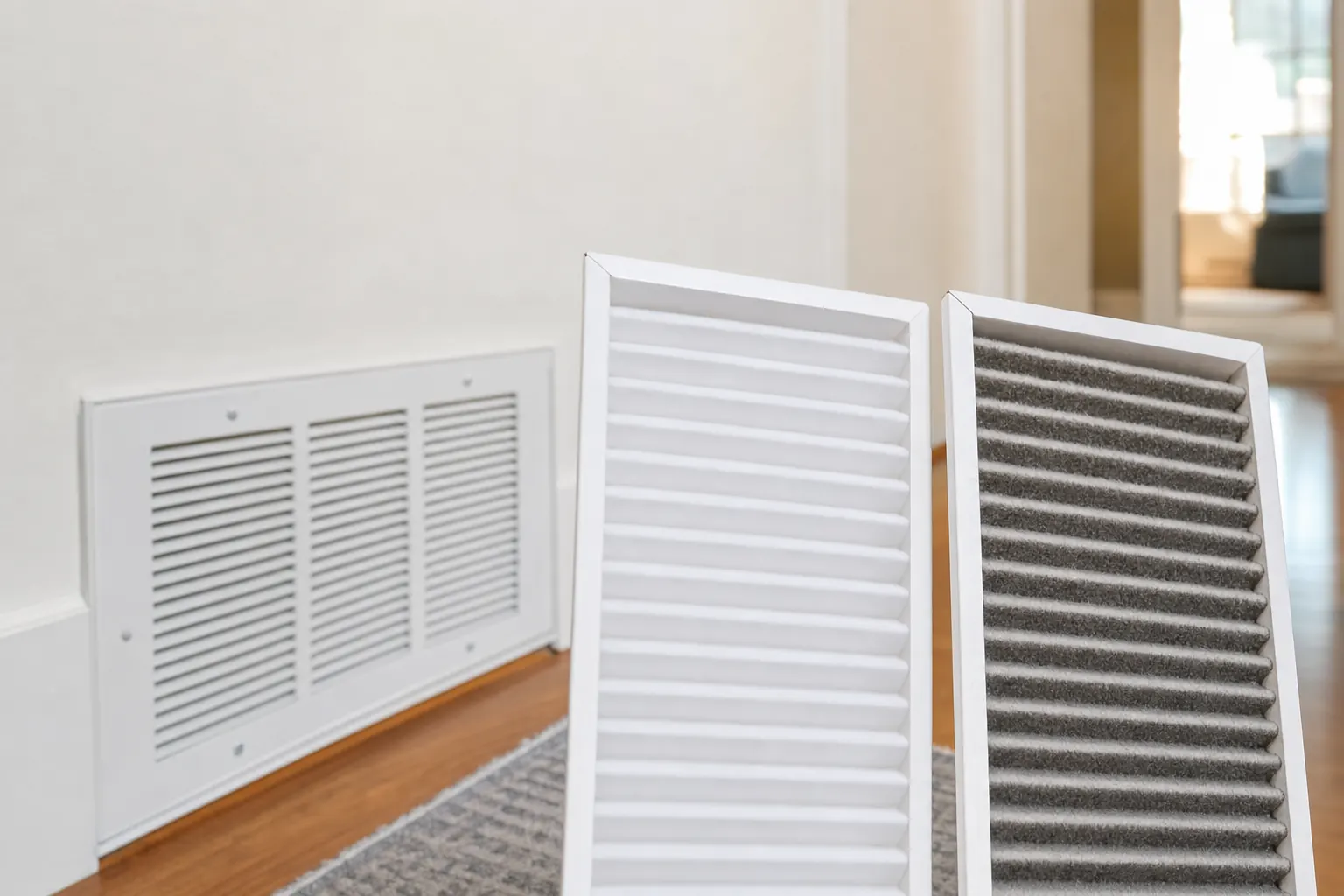
Homeowner maintenance is mostly about airflow, cleanliness, and noticing changes early. The filter is the biggest recurring task. Check it monthly during heavy-use periods and replace or clean it based on the filter type and the actual dirt load, not just the date on the calendar. A 1-inch pleated filter may need replacement every 1 to 3 months. A 4-inch media filter may last 6 to 12 months. Homes with pets, renovation dust, or high runtime usually need more frequent changes.
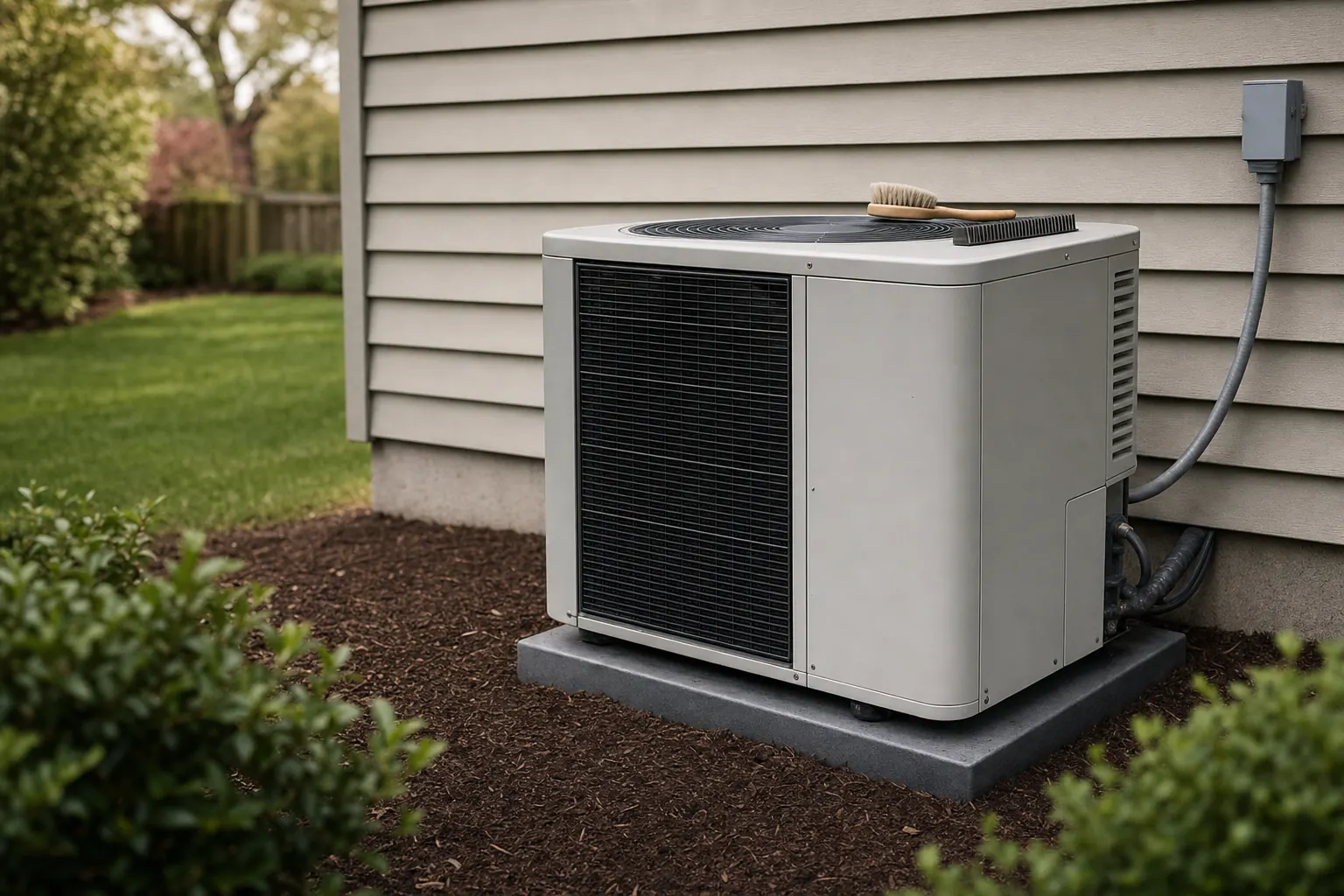
The outdoor unit also needs clear breathing room. Keep leaves, grass clippings, weeds, and snow piles away from the cabinet. A common target is about 18 to 24 inches of open space around the unit and several feet above it, unless the manufacturer specifies otherwise. Gently rinse obvious dirt from the outside coil fins with a garden hose using light pressure and power off first, but do not open panels or use pressure washers. Bent fins, electrical components, and refrigerant tubing are easy to damage.
- Every month in peak heating and cooling season, check the air filter, return grilles, and supply registers. A blocked return or closed registers can reduce airflow and strain the system.
- At the start of spring and fall, clear vegetation and debris from the outdoor unit. Trim plants back so air can move through the coil freely.
- Make sure the condensate drain area stays clean and dry during cooling season. Water around the indoor unit can mean a drain issue that should be addressed before it causes damage.
- After storms, look for obvious issues such as damaged insulation on refrigerant lines, a shifted outdoor unit pad, or debris packed into the coil guard. Do not handle refrigerant or electrical repairs yourself.
- In winter, keep drifting snow and solid ice from burying the sides of the outdoor unit, but do not chip ice off the coil with tools. That can destroy fins and tubing.
What a professional heat pump maintenance visit should cover
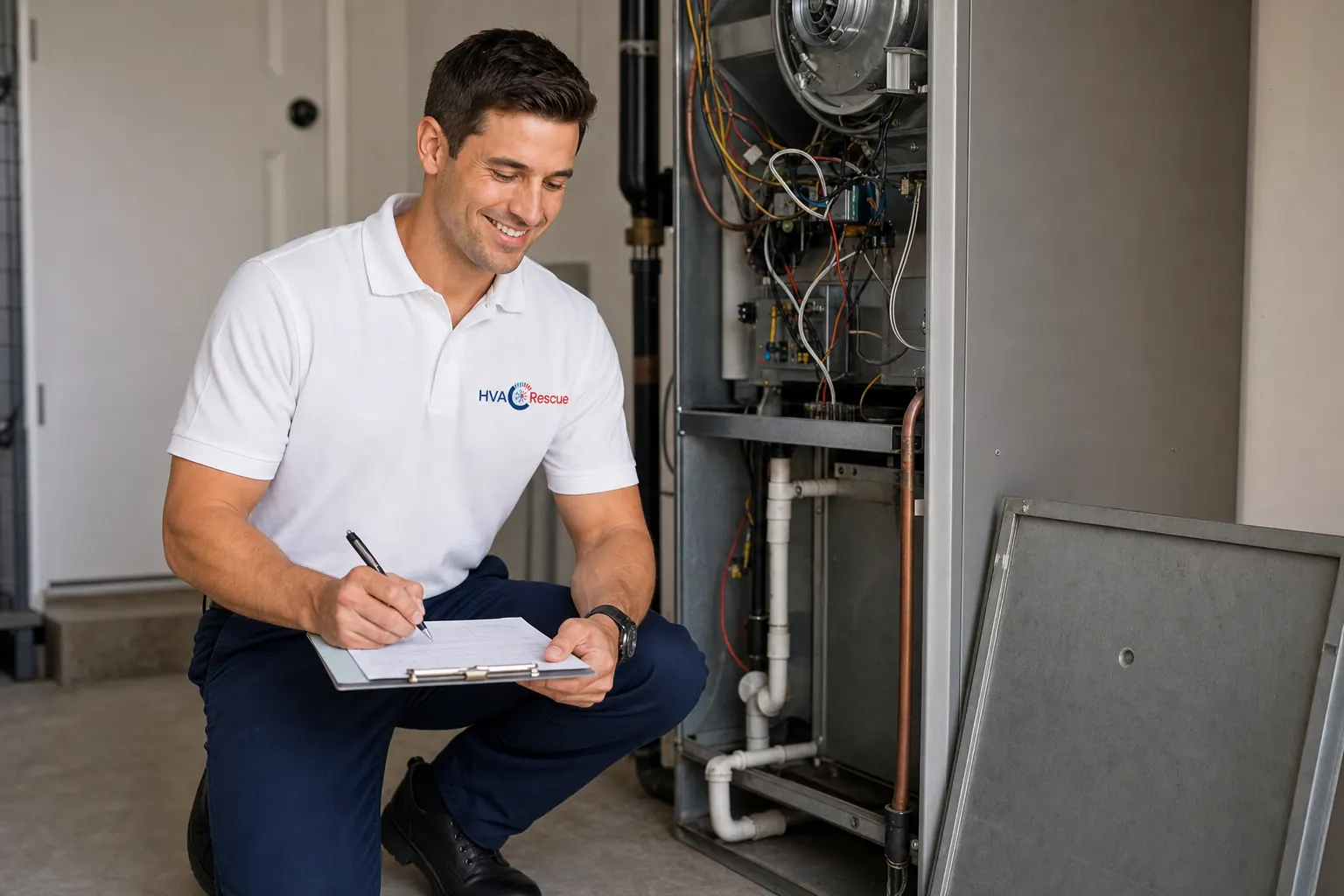
A proper heat pump maintenance visit is more than a quick filter glance and thermostat test. Because the equipment heats and cools, the technician should evaluate operation in the relevant mode for the season and verify that key controls respond correctly. On the airflow side, that usually includes checking filter condition, blower performance, temperature rise or drop, indoor coil condition if accessible, and condensate management. On the outdoor side, it includes coil condition, fan operation, electrical connections, and signs of component wear.
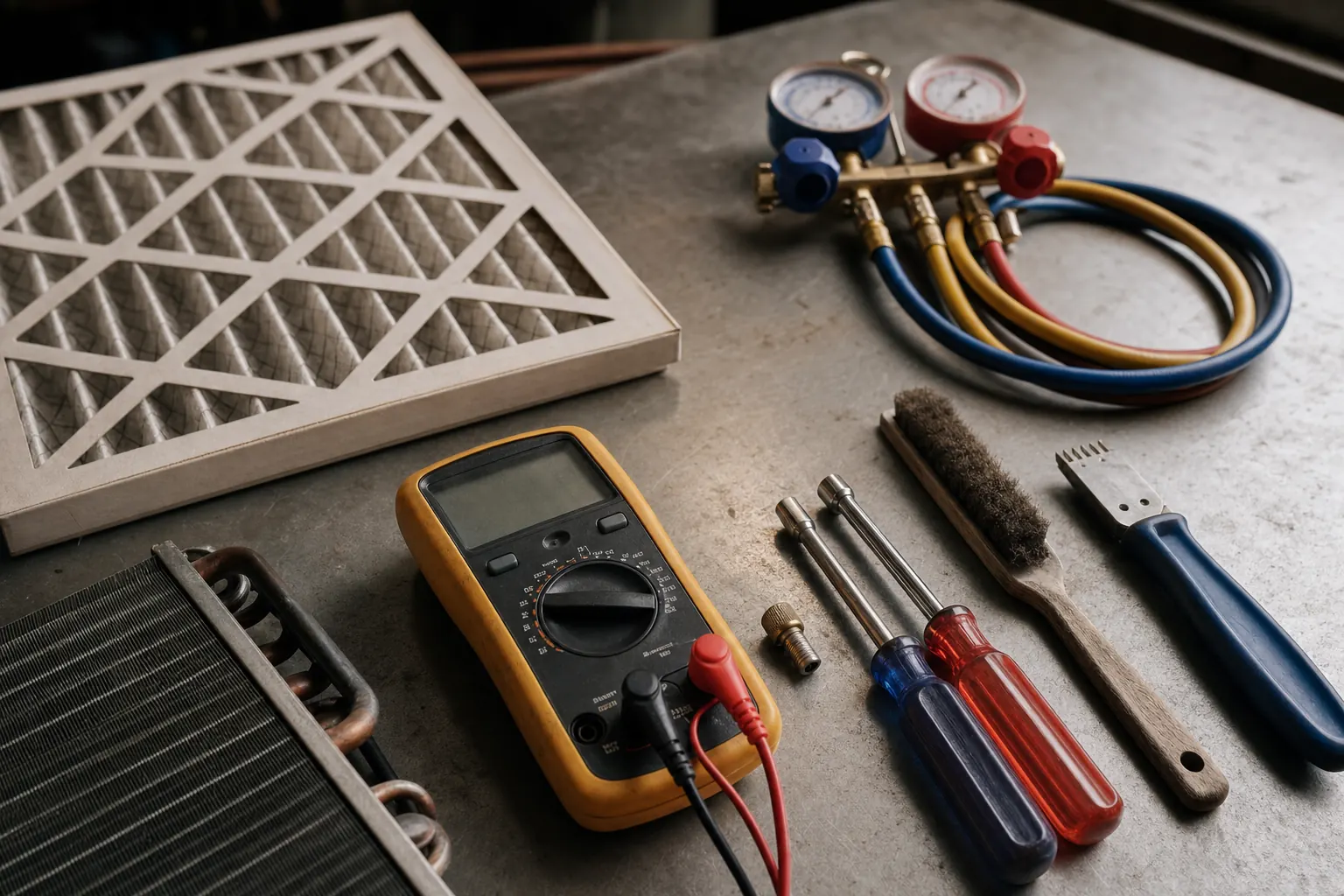
For heat pumps specifically, a technician should also pay attention to the reversing valve operation, defrost controls, outdoor temperature sensors if used, auxiliary heat staging, and thermostat setup. Refrigerant charge and sealed-system performance are technician-only items because they require tools, training, and handling of refrigerant. The same goes for high-voltage electrical testing beyond basic homeowner observations. If your system also has gas backup instead of electric strips, any gas valve, burner, or flue inspection belongs to a qualified technician.
- Measure system performance in heating or cooling mode as appropriate, including supply and return temperatures and overall operation compared with manufacturer expectations.
- Inspect and clean accessible coils as needed, or document when deeper cleaning is recommended because the coil is impacted with debris.
- Check contactors, capacitors, relays, wiring, and amp draw for signs of wear or overheating. Many no-heat and no-cool calls start with these parts failing under load.
- Verify the defrost cycle and controls are behaving normally in winter conditions or by manufacturer test procedure, and confirm the auxiliary heat comes on only when needed.
- Inspect the condensate system in cooling season, the blower assembly, and thermostat programming so the system is not working harder than necessary.
Typical 2025 to 2026 U. S. pricing for a single heat pump maintenance visit often falls around $100 to $250, with higher pricing in some metro areas or for more complex systems. Annual maintenance plans, where offered by local contractors, may bundle one or two visits. The cheapest visit is not always the most thorough. Ask what is actually included, whether heat pump-specific checks are part of the service, and whether the report identifies measured readings or only general notes.
Cost ranges are estimates developed from standardized project scopes and reviewed pricing inputs. Government labor and regional cost data are used where applicable. See our Pricing Methodology for the exact sources, calculations, and review date. Actual prices vary by property, scope, materials or equipment, location, and provider.
What is normal in winter, and what points to a fault
Heat pumps often worry homeowners in winter because they do not behave exactly like a furnace. The air coming from the registers may feel warm but not hot. That is normal. A furnace might deliver air around 120 to 140 degrees Fahrenheit, while a heat pump often supplies air closer to roughly 85 to 100 degrees depending on outdoor conditions and system design. It can still heat the home effectively even if the air does not feel hot to your hand.
Another normal behavior is frost on the outdoor coil in cold, damp weather, followed by a defrost cycle. During defrost, the outdoor fan may stop temporarily, steam may rise from the unit, and you may hear a whooshing sound when the reversing valve shifts. Some thermostats will indicate auxiliary or emergency heat during this period. That brief steam cloud can look alarming, but it is often just melted frost turning to vapor. The process should clear the coil and then return to normal heating.
What is not normal? Loud grinding or metal-on-metal noise, repeated breaker trips, a unit stuck in defrost, ice encasing the entire outdoor unit, or a thermostat that never reaches set temperature except by running emergency heat constantly. Also suspicious are sharply higher electric bills without a weather explanation, weak airflow, water leaking indoors in cooling season, or the system switching oddly between modes. Those symptoms can point to airflow problems, sensor faults, defrost control issues, failing electrical parts, or refrigerant problems that a licensed technician should evaluate.
A practical maintenance schedule that does not waste money
For most homes with a ducted heat pump that handles both heating and cooling, a practical schedule is one professional visit in spring and one in fall, plus homeowner tasks throughout the year. Spring service focuses on cooling readiness: airflow, indoor coil condition, outdoor coil cleaning, condensate drainage, refrigerant performance, and electrical parts under cooling load. Fall service focuses on heating readiness: thermostat operation, defrost controls, reversing valve behavior, auxiliary heat staging, and general electrical and airflow checks.
That said, not every home needs exactly the same cadence. If the system is newer, lightly used, and in a mild climate, a careful annual professional visit may be reasonable if you are consistent about filter changes and outdoor-unit cleaning. If the equipment is older, in a coastal or heavily wooded area, or has a history of winter performance issues, twice-yearly visits are easier to justify. Households with pets, allergy concerns, or heavy runtime should also expect more frequent filter checks and more attention to coil cleanliness.
- Monthly: inspect the filter and general operation. Listen for new noises, check airflow, and make sure the outdoor unit is clear.
- Spring: clear debris, rinse the outdoor coil gently if dirty, confirm the condensate drain is working, and schedule cooling-season service if due.
- Fall: clear leaves from around the outdoor unit, verify thermostat schedules, and schedule heating-season service if due.
- After severe weather or power issues: inspect for visible damage and note any new operating problems, but leave electrical and refrigerant diagnosis to a licensed technician.
When maintenance is enough, and when it is a repair conversation
Maintenance helps a heat pump run as designed, but it does not reverse age or fix failing parts by itself. If the system is maintaining temperature, switching modes correctly, and defrosting normally, routine maintenance may be all you need. If a technician starts finding repeated capacitor failures, weak compressor performance, persistent defrost issues, refrigerant leaks, or expensive electrical faults, the conversation shifts from tune-up to repair planning. That is especially true if the equipment is older and parts are stacking up.
A good decision point is not just age but pattern. One isolated repair on an otherwise solid system is different from multiple visits over two seasons for similar symptoms. Ask the contractor what the measured problem is, what part has failed or drifted, what risk comes with waiting, and how the repair compares with the system’s remaining life. A homeowner who understands normal winter heat pump behavior, keeps airflow and coils in good shape, and schedules proper service is far less likely to approve unnecessary work or ignore a real problem too long.
Sources and fact-checking
Reviewed July 25, 2026. We favor primary government and standards sources for safety, efficiency, and regulatory claims. These references support the technical and consumer guidance on this page.