Reviewed July 25, 2026
HVAC Rescue Editorial Team
Editorial StandardsWhat can you safely check on a gas furnace?
Yes, there are a few things a homeowner can safely check on a gas furnace, but the list is short. Safe checks are basic housekeeping and observation: replace the air filter, make sure supply and return vents are open, test carbon monoxide and smoke alarms, and keep the area around the furnace clear so it has air to burn fuel properly. Those steps can improve airflow, reduce nuisance shutdowns, and help you notice a problem early.
Everything involving gas flow, flame, venting, combustion, electrical components inside the cabinet, or furnace disassembly belongs to a qualified licensed technician. That includes the gas valve, burners, igniter, flame sensor, draft inducer wiring, control board, pressure switches, heat exchanger, and flue connector. If you are wondering whether a task crosses the line, use a simple rule: if it requires opening a panel beyond normal filter access, touching a wire, or going near gas or flame, stop there.
The homeowner checks that actually matter
Start with the filter, because airflow problems are common and easy to miss. Most 1-inch filters should be checked monthly during heating season and often need replacement every 1 to 3 months. Thicker media filters may last 6 to 12 months, depending on the furnace, the filter rating, pets, dust, and runtime. A clogged filter can overheat the furnace, cause short cycling, reduce comfort, and in some systems trigger a limit switch shutdown. Match the replacement size exactly and follow the airflow arrow printed on the frame.
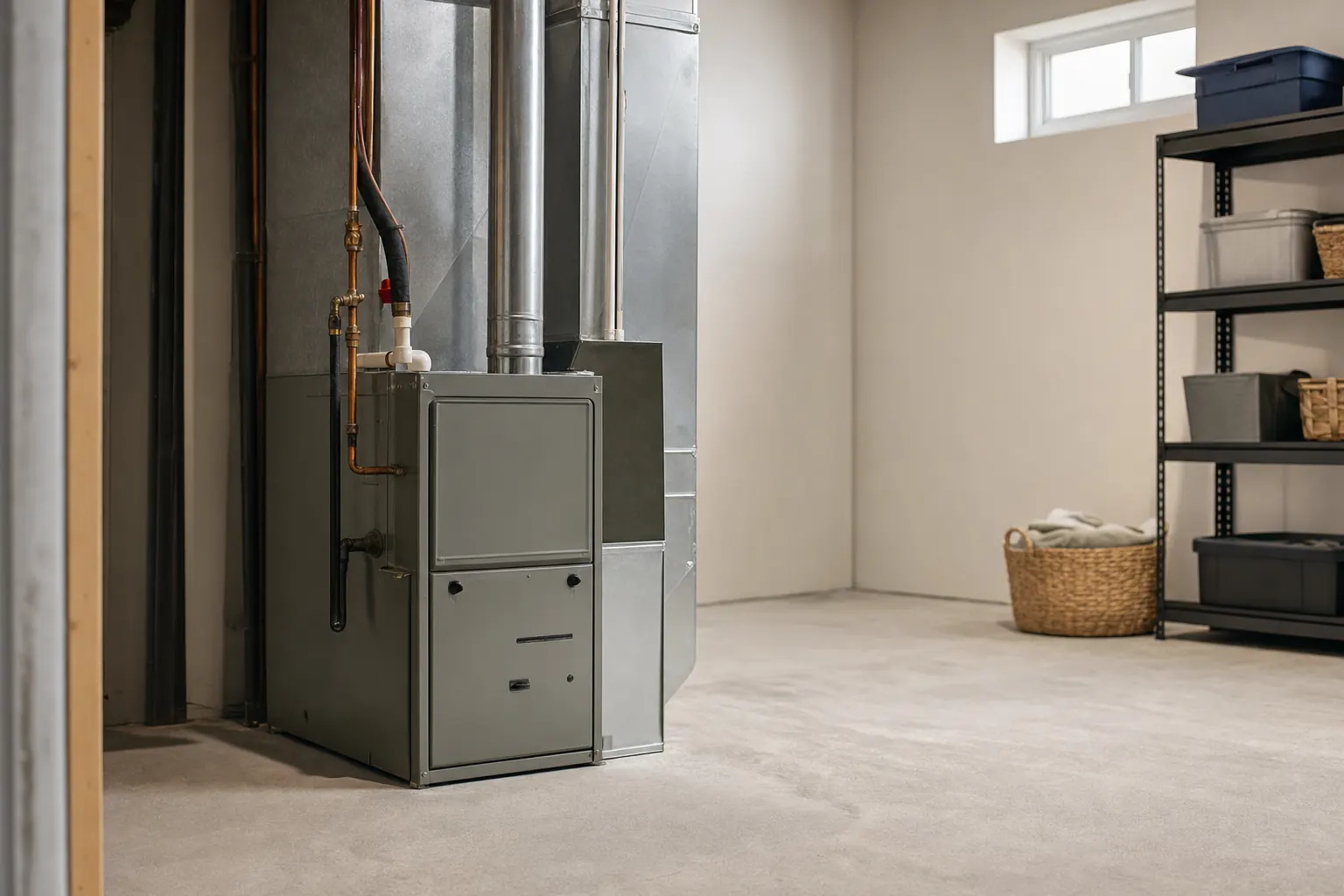
Next, walk the house and check vents and returns. Supply registers should be open and not blocked by rugs, furniture, or curtains. Return grilles need open air around them; stacking boxes against a return can choke the system. Then go to the furnace area and make sure the space is not packed with storage. A gas furnace needs unobstructed airflow around it, and many installations also rely on the room or dedicated openings for combustion air. Paint cans, cardboard, laundry piles, and cleaning chemicals should not crowd the equipment.
- Replace or clean the furnace filter on the schedule the manufacturer allows, and check it more often during peak winter use.
- Open supply registers and keep return grilles clear so the blower can move air the way the system was designed to.
- Test smoke alarms and carbon monoxide alarms monthly, and replace backup batteries at least once a year unless the unit has a sealed long-life battery.
- Keep the furnace room and nearby combustion-air openings free of boxes, clothing, paper goods, and chemical containers.
- Look for obvious water leaks around the furnace or venting, because rust and moisture can point to a drainage or venting problem that needs service.
How to check the venting area without touching it
You can look at venting, but you should not adjust, disconnect, reseal, or test it yourself. For an older natural-draft furnace, you may see a metal flue pipe running from the furnace to a chimney or vent. For a high-efficiency condensing furnace, you will usually see plastic intake and exhaust pipes. A homeowner-safe check is simply to make sure nothing has fallen against the vent pipe, the pipe does not look loose or badly corroded, and outdoor pipe terminations are not buried by snow or blocked by leaves, nests, or debris.
Be careful here: looking is fine, repairing is not. The slope, material, support, sealing, clearances, and termination location of a flue all matter for safe operation. A vent that is partially blocked or improperly connected can spill combustion gases, including carbon monoxide, into the house. If you see rust flakes around a metal flue, white staining, melted plastic near a vent, separated joints, or repeated moisture around the vent connection, that is a stop-and-call issue, not a DIY project.
What you should never touch
The off-limits list is longer than the safe list, and that is exactly how it should be with a gas appliance. Do not touch the gas shutoff unless emergency instructions from the gas utility or fire department require it and you already know how. Do not adjust the gas valve, remove burner covers, clean burners, reposition the igniter, sand a flame sensor, reset rollout switches, bypass safety switches, or try to relight anything beyond the exact homeowner steps printed by the manufacturer. If the label does not plainly say a homeowner may do it, assume it is technician work.
Never inspect a heat exchanger yourself by opening the furnace, using cameras, or trying improvised tests. Cracks, corrosion, failed seams, and cell separation are diagnostic issues for trained technicians using proper tools and procedures. The same goes for flue gas testing, manifold gas pressure, combustion analysis, draft measurement, and voltage testing. Even low-voltage controls can create confusing symptoms, and high voltage inside the cabinet can injure or kill. A furnace has safeties for a reason; bypassing one can turn a small repair into a dangerous condition.
Signs of trouble that mean stop using the furnace
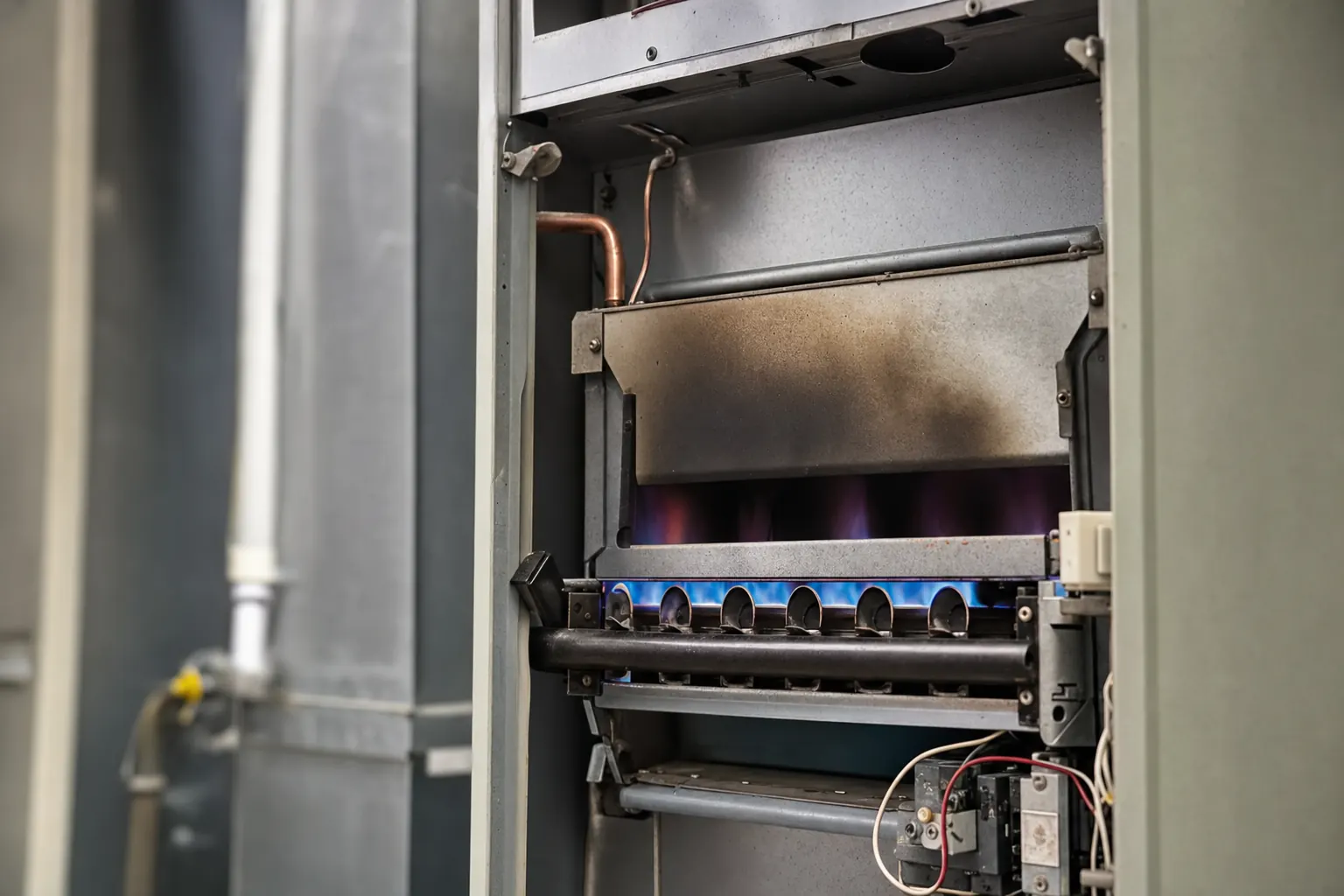
Some symptoms mean the furnace should not keep running until it is checked. Repeated tripping of the breaker or service switch, scorch marks, soot, popping at startup, loud rumbling after the burners shut off, visible flame rollout, or water dripping from unusual places all deserve professional attention. Yellow or wavering burner flames on a conventional furnace can point to combustion problems, though you should not remove panels to inspect them. If something seems wrong inside the burner area, treat that as licensed work.
Pay attention to your alarms and your senses. A carbon monoxide alarm sounding is not a clue to investigate; it is an instruction to leave. The same is true for a gas odor, smoke, or a hot electrical smell. For non-emergency issues, unusual short cycling, weak airflow, rooms that suddenly heat unevenly, or the furnace failing to complete a heating cycle can often start with safe checks like filter and vents. If those are normal, the next step is a qualified licensed technician, not deeper DIY troubleshooting.
- Leave the furnace off if you notice soot, scorch marks, repeated breaker trips, or visible damage around the burner or vent area.
- Do not keep resetting the thermostat, breaker, or furnace switch to force operation; repeated resets can hide a worsening fault.
- If a carbon monoxide alarm, gas smell, smoke, or burning-electrical odor is involved, everyone should leave and calls should be made from outside.
- If the furnace starts but shuts down quickly after a filter change and vent check, the problem is beyond routine homeowner maintenance.
What routine professional safety service includes
A proper annual furnace safety inspection goes beyond what a homeowner can see. A licensed technician may inspect burner operation, check ignition performance, verify temperature rise against the nameplate range, test safety controls, measure draft or combustion where appropriate, inspect the heat exchanger with the correct access and tools, examine venting and condensate drainage, and verify electrical connections and blower performance. On condensing furnaces, they may also inspect the condensate trap and pressure-switch tubing. The point is not to perform every possible test every visit, but to evaluate the appliance safely and systematically.
Typical 2025 to 2026 U. S. pricing for a furnace tune-up or safety inspection often falls around $100 to $250, though metro areas, system type, and what is included can push that lower or higher. A carbon monoxide alarm usually costs about $20 to $60 for a basic unit, with combination smoke and CO alarms often around $30 to $100. Better filters cost more too: a basic 1-inch filter may be roughly $10 to $25, while higher-quality media filters can run substantially more. This comparison helps frame the trade-off: routine maintenance is usually far cheaper than emergency diagnosis or damage from operating a furnace in poor condition.
Cost ranges are estimates developed from standardized project scopes and reviewed pricing inputs. Government labor and regional cost data are used where applicable. See our Pricing Methodology for the exact sources, calculations, and review date. Actual prices vary by property, scope, materials or equipment, location, and provider.
A simple decision line homeowners can use
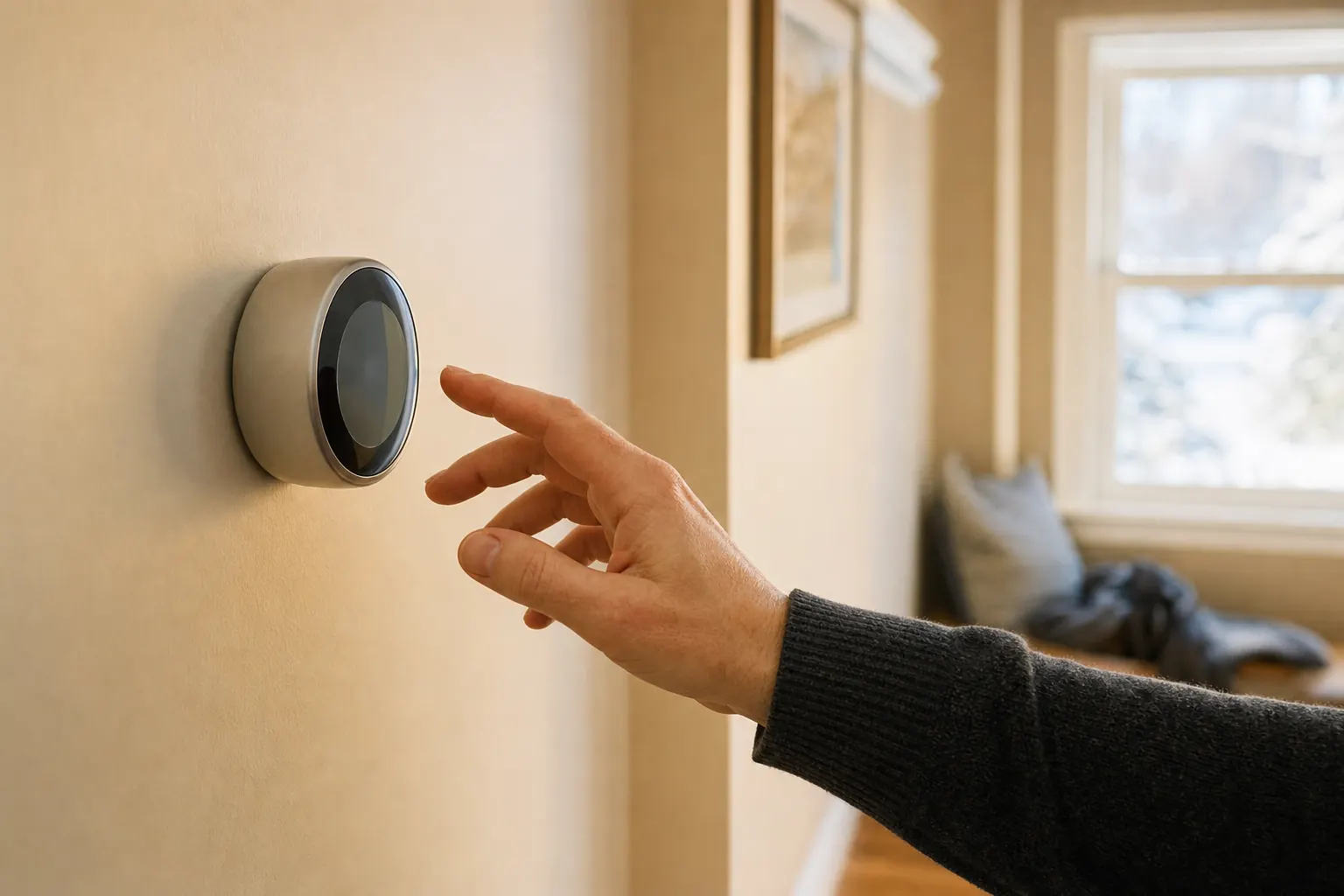
Use this boundary: if the task is outside the furnace, does not require tools beyond normal filter access, and does not involve gas, flame, venting, wiring, or opening service panels, it is probably a homeowner check. That means filter, vents, detector batteries, thermostat settings, and keeping the combustion-air path clear. If the task involves removing covers, touching internal parts, changing settings on the furnace itself, or diagnosing why safety controls are tripping, it is licensed work.
That clear line helps you make fast decisions without guessing. Homeowner checks can solve simple airflow and housekeeping issues. They cannot safely diagnose combustion, gas supply, ignition, venting, or heat exchanger problems. If you suspect any of those, stop at observation, write down what you noticed, and arrange service through a qualified licensed technician. If the issue includes gas odor, carbon monoxide, smoke, or electrical burning smell, skip the notes until you are safely outside and have made the emergency call.
Sources and fact-checking
Reviewed July 25, 2026. We favor primary government and standards sources for safety, efficiency, and regulatory claims. These references support the technical and consumer guidance on this page.
- Carbon monoxide fact sheetU.S. Consumer Product Safety CommissionCarbon-monoxide sources, alarm placement, annual heating-system inspection, and emergency precautions.
- Stay safe while staying warm this winterU.S. Consumer Product Safety CommissionFuel-burning heating-system inspection, blocked-vent risks, and carbon-monoxide safety precautions.
- FurnacesENERGY STARResidential furnace efficiency, equipment features, buying guidance, and replacement considerations.