Reviewed July 25, 2026
HVAC Rescue Editorial Team
Editorial StandardsHow do you compare HVAC quotes fairly?
The short answer is this: do not compare HVAC quotes by price alone. Compare them by scope, equipment match, sizing method, permit and code work, warranty terms, and what happens to the old system. Two bids can both say “3-ton heat pump” and be thousands apart because one includes a complete, code-compliant installation and the other leaves out items that become change orders later. A low number often means something is missing, not that the contractor found magic savings.
If you smell gas, a carbon monoxide alarm goes off, or you notice smoke or a burning-electrical smell, everyone should leave the building immediately and call the gas utility or emergency services from outside. Do not stay inside to inspect equipment or finish collecting quotes. For normal replacement shopping, your goal is to get each bidder onto the same page so you can compare real value instead of sales talk.
What must appear on a comparable quote
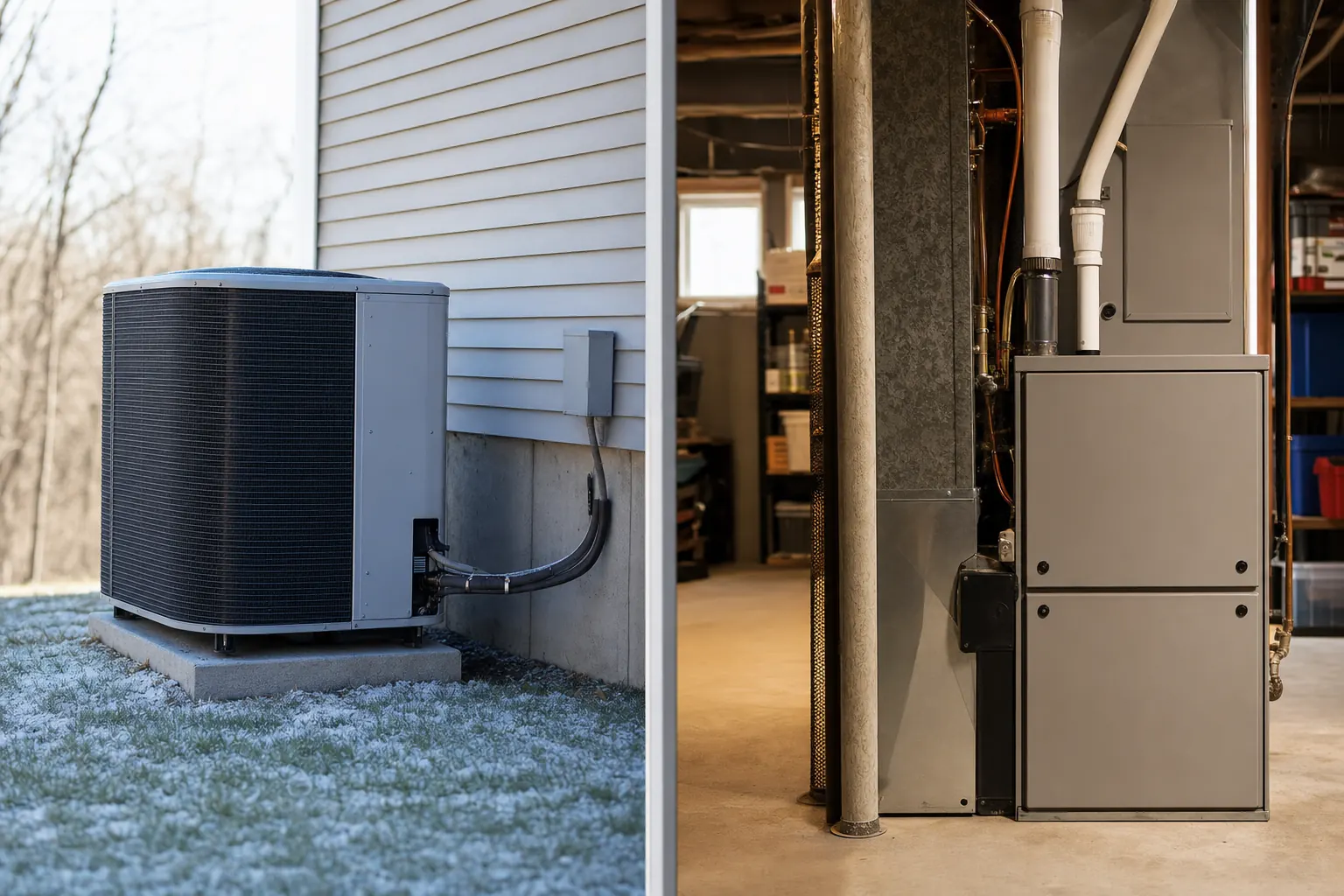
A quote is only comparable if it identifies the exact equipment and installation scope. “New furnace and AC” is not enough. You need the indoor and outdoor model numbers, equipment capacities, efficiency ratings, and confirmation that the components are a matched system. In many brands, an outdoor unit can pair with several indoor coils or air handlers, but performance, humidity control, sound level, and warranty eligibility can change depending on the match.
The quote should also state whether the contractor performed or will perform a load calculation for sizing. That means a room-by-room or whole-house calculation based on square footage, insulation, windows, orientation, air leakage, and design temperatures, not a guess based on the old unit. Oversized systems tend to short cycle and dehumidify poorly. Undersized systems may run constantly and still miss setpoint on very hot or cold days. Existing equipment size is a clue, not proof.
- Exact model numbers for the outdoor unit, indoor coil or air handler, and furnace if there is one should appear on the quote, not only a brand name or tonnage.
- The quote should confirm the system is AHRI matched or manufacturer-approved so the listed efficiency and warranty terms actually apply to that combination.
- A load calculation or written sizing basis should be included or specifically scheduled before installation approval.
- Permit responsibility should be named clearly, including who pulls it and whether permit and inspection fees are included in the price.
- Line-set handling should be stated: reuse, replace, or flush, along with any conditions that would require a change.
- Old equipment disposal, refrigerant recovery, and haul-away should be included so removal does not become an extra bill later.
Why the cheapest bid is often scope-light
In residential HVAC, the cheapest quote is often the one with the fewest written obligations. One contractor may include permit fees, code-required electrical updates, condensate safety switches, a new pad, new thermostat, line-set replacement, crane if needed, filter cabinet, startup testing, and haul-away. Another may leave half of that unsaid. The lower quote looks attractive until installation day, when “not included” starts appearing next to necessary work.
This is especially common with line sets, plenums, drain work, venting changes, and electrical. For example, a quote for a central AC and coil replacement might look competitive at $6,500 to $9,500 installed in a typical 2025-2026 US market, but if it excludes permit, pad, disconnect, whip, line-set work, and disposal, the final number can move quickly. A more complete quote at $8,500 to $11,500 may actually be the better value because it prices the likely scope up front.
Cost ranges are estimates developed from standardized project scopes and reviewed pricing inputs. Government labor and regional cost data are used where applicable. See our Pricing Methodology for the exact sources, calculations, and review date. Actual prices vary by property, scope, materials or equipment, location, and provider.
The same pattern shows up on furnace and heat pump jobs. A furnace replacement may fall around $4,500 to $9,000, and a complete heat pump system often lands around $8,000 to $18,000 or more depending on capacity, efficiency, electrical upgrades, climate, and duct changes. If one bid is far below the others, ask what has been omitted. Sometimes the answer is simple efficiency differences. Often the answer is missing labor, accessories, or code work.
Matched systems, model numbers, and sizing matter more than brand slogans
A homeowner does not need to memorize engineering data, but you do need enough detail to verify what is being sold. Start with model numbers. With them, you can confirm the equipment type, capacity, efficiency tier, sound rating, and basic features. Without them, you cannot tell whether two quotes are truly equal. “16 SEER2 unit” is not precise enough because performance depends on the indoor match, blower, refrigerant metering, and sometimes thermostat controls.
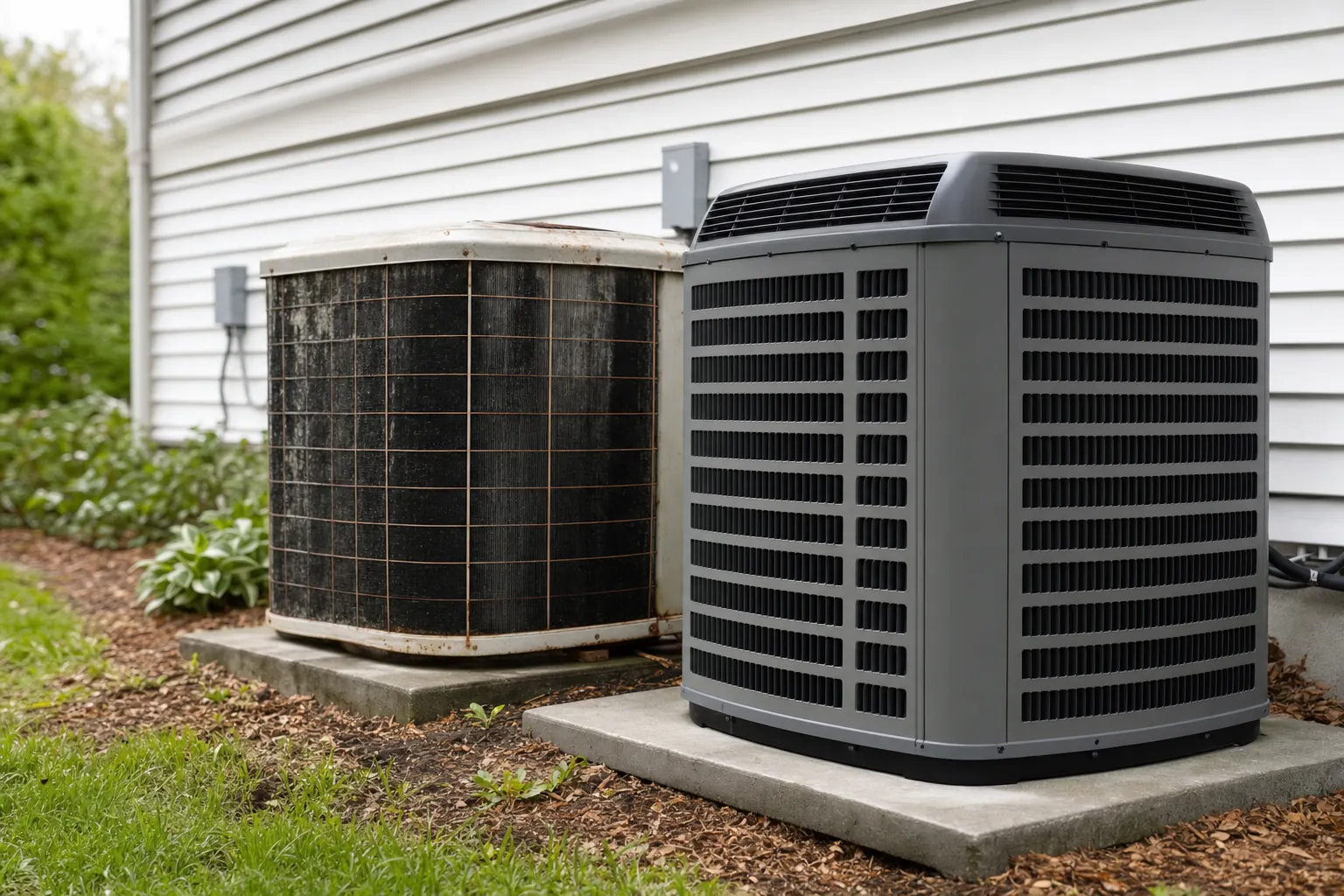
Matched systems matter because the published efficiency and capacity are based on tested combinations. A 3-ton outdoor condenser paired with the wrong coil may still run, but it may not deliver the advertised SEER2 or heating output. Warranty registration may also depend on approved matches. Ask for the AHRI certificate number or written confirmation that the exact indoor and outdoor combination is approved. That is not nitpicking. It is how you verify that the quote reflects a real, legal, supportable system.
Sizing is separate from matching. Even a perfectly matched system can be the wrong size for the house. A contractor who says, “You had a 4-ton before, so you need a 4-ton again,” may be right, but they have not proved it. Window upgrades, duct repairs, added insulation, shade changes, or previous oversizing can all change the right answer. Ask what method they used and whether they accounted for humidity control, not just temperature.
Permits, warranties, disposal, and line-set handling are not minor details
Permit responsibility should be explicit. In most places, replacing HVAC equipment requires a permit and inspection, and those steps help verify safety and code compliance. If a quote says nothing about permits, ask directly whether permit fees are included and who is pulling the permit. A contractor who wants the homeowner to pull the permit for a full equipment replacement may be shifting responsibility in a way you should understand before agreeing.
Warranty language also needs detail. There is usually a manufacturer parts warranty and a separate labor warranty from the installing contractor. The quote should state both, along with any registration deadline and exclusions. “10-year warranty” by itself is incomplete. Does that mean parts only? Is the compressor covered differently? Is labor one year, two years, or not included at all? If the warranty requires annual maintenance, that should be clear in writing.
Line-set handling deserves special attention because it affects cost, cleanliness, and system reliability. A contractor may propose replacing the refrigerant line set, reusing it if it is the correct size and condition, or flushing it if changing refrigerant types or oil compatibility is a concern. There is no universal right answer for every job, but there should be a stated plan. The quote should also include old equipment disposal and refrigerant recovery, both of which require qualified licensed technicians.
- Ask whether the permit and inspection fees are included in the quoted total and who is listed as responsible for pulling the permit.
- Ask for separate written warranty terms for manufacturer parts and installation labor, including any registration requirements or maintenance conditions.
- Ask how the existing refrigerant line set will be handled and what conditions would trigger replacement instead of reuse.
- Ask whether haul-away of the old furnace, coil, condenser, pad, and related scrap is included in the base price.
- Ask whether the quote includes thermostat replacement, drain safety devices, and any code-required electrical or venting corrections.
Questions that expose the real differences between quotes
The best comparison questions are specific and written. Vague questions invite vague answers. Send the same short list to each bidder and ask for a written response or revised quote. You are not being difficult. You are creating an apples-to-apples comparison. Good contractors usually appreciate this because it reduces misunderstandings later and keeps the discussion on scope instead of pure sales pressure.
Start with equipment identity and sizing. Ask: “What are the exact model numbers for every major component? ” “Is this an AHRI-matched system? ” “What load calculation or sizing method supports this capacity? ” Then move to installation scope: “Are permits, inspections, disposal, line-set work, pad, drain work, electrical disconnect, whip, and startup testing included? ” Finally ask about risk transfer: “What is excluded, and what would trigger a change order? ” That last question often reveals more than the rest.
- What exact model numbers are included for the outdoor unit, indoor coil or air handler, furnace, thermostat, and filter cabinet?
- Is the quoted efficiency based on an AHRI-matched combination, and can you provide the AHRI reference or approval?
- What sizing method did you use, and did you perform a Manual J or other documented load calculation rather than replacing like-for-like by old tonnage?
- Does the price include permit, inspection, disposal, refrigerant recovery, new pad, disconnect, whip, drain modifications, and any code-required updates?
- Will the existing line set be replaced, reused, or flushed, and what conditions would change that decision after work begins?
- What warranty is included for parts and for labor, and what items are specifically excluded from the quoted price?
How to choose once the quotes are cleaned up
After you standardize the bids, the decision usually gets easier. First, eliminate any quote that does not identify the equipment clearly, skips sizing discussion, or avoids permit questions. Next, compare the remaining quotes for actual differences that matter: efficiency tier, sound level, communicating controls, filter cabinet quality, humidification or dehumidification features, and labor warranty length. Those are legitimate reasons for price differences. Brand alone is not enough reason to pay more unless the quoted features and support also differ.
Then compare the assumptions behind the job. Did one bidder plan to adapt the existing plenum while another included a new transition? Did one include line-set replacement while another assumed reuse? Did one include electrical work that the others left open-ended? Those scope choices affect both price and installation quality. If the house has comfort issues now, ask which proposal addresses them and how. A replacement that ignores known airflow or humidity problems may simply preserve them.
Finally, judge communication. The contractor who answers clearly, documents scope, and explains trade-offs without dodging questions is often safer than the one who pushes urgency or insists that details can be handled later. You are not just buying equipment. You are buying a defined installation process. A good quote makes that process visible before any work starts. That is how you avoid getting talked into the wrong system or surprised by a low bid that was never complete.
Sources and fact-checking
Reviewed July 25, 2026. We favor primary government and standards sources for safety, efficiency, and regulatory claims. These references support the technical and consumer guidance on this page.
- How to avoid a home improvement scamFederal Trade CommissionWritten estimates, contractor verification, payment cautions, and fraud warning signs.
- Manual J residential load calculationAir Conditioning Contractors of AmericaRoom-by-room heating and cooling load calculations used for equipment sizing.
- Section 608 technician certification requirementsU.S. Environmental Protection AgencyFederal certification requirements for work that can release regulated refrigerants.