Reviewed July 22, 2026
HVAC Rescue Editorial Team
Editorial StandardsTypical cost ranges
Approved national ranges grouped by comparable project scope.
Ducted changeout, 2-3 ton, standard efficiency (14.3-15.2 SEER2)
Like-for-like swap of outdoor unit and air handler, reusing existing ducts and wiring
$7,350 – $14,000
Ducted, 3-4 ton, mid to high efficiency (16-19 SEER2)
Two-stage or entry variable-speed equipment — the most common replacement tier
$8,650 – $16,500
Ducted, premium variable-speed (20+ SEER2)
Top-tier inverter equipment with communicating controls and the highest HSPF2 ratings
$12,750 – $23,750
Cold-climate ducted heat pump
Low-ambient models that hold capacity near 5°F; typically $1,300-$2,100 over comparable standard units
$12,500 – $24,667
Single-zone ductless replacement
One outdoor unit and one indoor head; priced per zone
$3,967 – $8,767
Multi-zone ductless (3-4 zones)
Whole-home ductless; cold-climate hyper-heat models sit at the top of the range
$11,767 – $24,833
Full install with duct or electrical upgrades
Changeout plus duct replacement ($3,600-$6,500+) and/or a 200-amp panel upgrade ($1,800-$2,500)
$15,667 – $35,333
Cost ranges are estimates developed from standardized project scopes and reviewed pricing inputs. Government labor and regional cost data are used where applicable. See our Pricing Methodology for the exact sources, calculations, and review date. Actual prices vary by property, scope, materials or equipment, location, and provider.
What affects the price
Capacity (tonnage)
Capacity must follow the load calculation; larger matched equipment expands equipment and handling scope. Do not reuse a complete single-zone project range as a size premium.
Efficiency tier (SEER2 / HSPF2)
Higher-efficiency and variable-speed equipment changes equipment, controls, and commissioning scope. Compare the matching canonical efficiency scenarios.
Cold-climate rating
Cold-climate performance requirements change equipment selection, controls, and backup-heat design. Compare the matching cold-climate canonical scenario rather than treating a whole-project range as a premium.
Ducted vs ductless
Ducted and ductless replacements are different scopes. Head and zone count define a ductless project; compare the single-zone and multi-zone canonical rows rather than multiplying a per-zone project range.
Ductwork condition
Duct sealing, resizing, and replacement are separate supporting-work scopes that should be itemized. Use the applicable full-install scenario when those upgrades are included.
Electrical capacity
Panel capacity, circuit, disconnect, and wiring needs are separate electrical scopes that should be itemized. Use the applicable full-install scenario when an electrical upgrade is included.
Refrigerant transition
Refrigerant compatibility determines whether the existing line set can be reused. A new line set is a separate material-and-labor scope that should be itemized, not priced from a whole-project range per foot.
Backup heat strategy
Resistance strip heat and dual-fuel backup require different equipment, controls, electrical or fuel work, and commissioning; identify the chosen backup strategy in the installed scope.
What a heat pump replacement quote should actually include
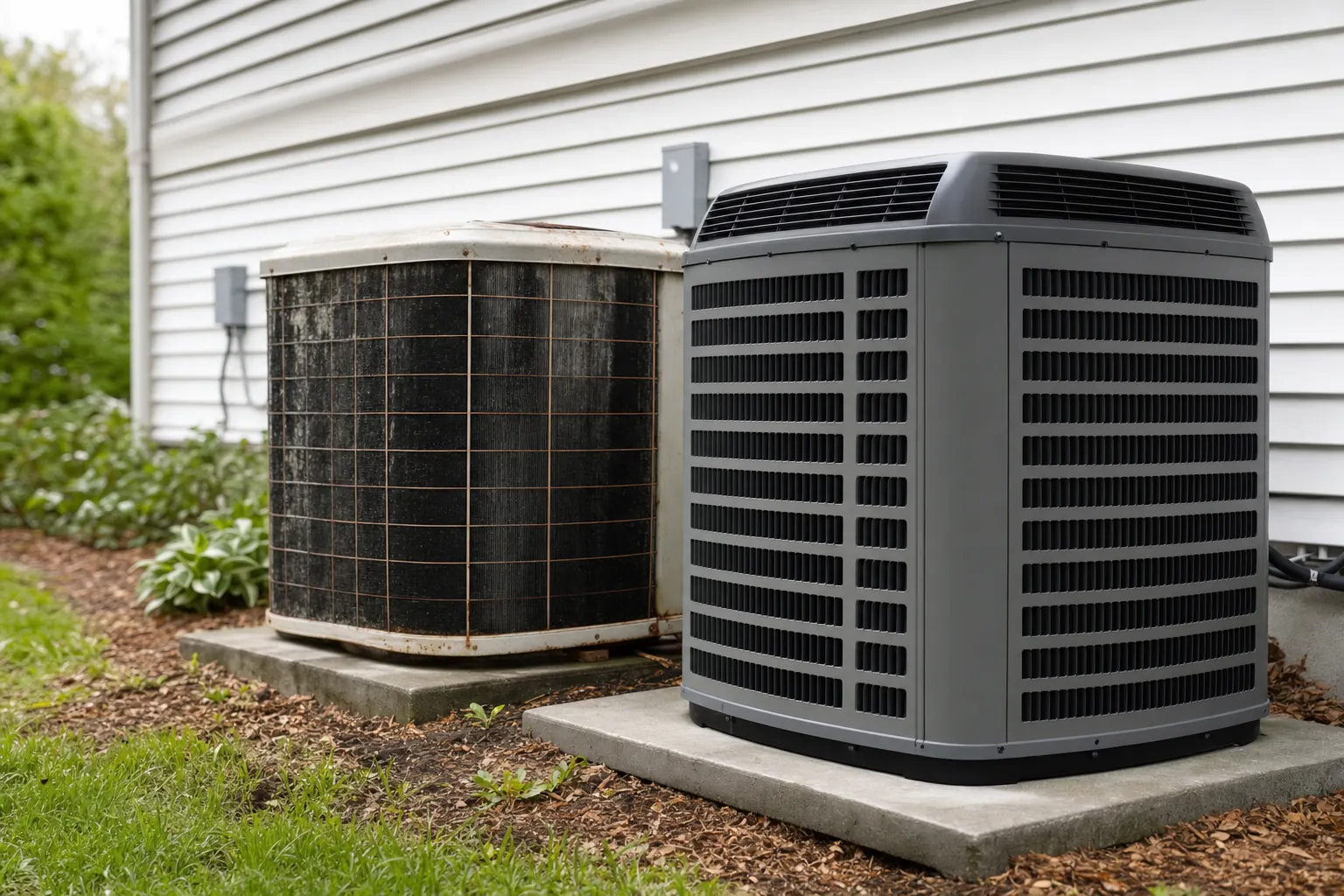
A real heat pump replacement quote should break out the outdoor condensing unit or side-discharge inverter unit, the matching indoor air handler or ductless heads, refrigerant metering components if required by the manufacturer, a new pad or brackets, isolation feet, condensate safety switches, equipment disconnect, whip, thermostat or communicating control, start-up materials, recovery of the old refrigerant, hauling away the old equipment, pressure testing, evacuation, charging, and commissioning. For a ducted replacement, it should also say whether the existing supply and return plenum transitions are being rebuilt or simply adapted with sheet metal.
It should also identify labor for setting equipment, brazing or flaring the refrigerant lines, nitrogen purge during brazing, vacuum to manufacturer target, airflow setup, static pressure checks, and heat-strip kit installation if backup electric heat is included. If the home uses a packaged thermostat with proprietary controls, that should be listed too. Permit fees are often included in stronger quotes and omitted in cheaper ones. A quote that just says 'replace 3-ton heat pump' with one lump sum leaves too much unsaid for a job that can reasonably land anywhere from the high-$7,000s to well into five figures.
Common exclusions are just as important. Duct sealing, duct resizing, full duct replacement, drywall repair, crane service, roof curb work, line-set replacement, code upgrades, surge protection, drain rerouting, and electrical panel work are often outside the base number unless specifically written in. On replacement jobs using newer A2L refrigerants such as R-454B or R-32, some contractors include a new line set by default and others list it as an add-on at roughly $15 to $25 per foot. That single detail can swing a heat pump replacement quote by hundreds or over a thousand dollars.
Why one 3-ton heat pump quote is $9,500 and another is $13,500
Two quotes can differ a lot even when both are legitimate because '3-ton heat pump replacement' is not one product. One quote may be for a basic 14. 3 to 15. 2 SEER2 single-stage ducted system reusing existing controls and most field materials. Another may be for a variable-speed inverter matched with a communicating air handler, larger backup heat kit, and better low-temperature performance. On paper both replace a heat pump, but the equipment, controls, labor hours, and winter operating behavior are not the same.
Scope assumptions are another reason. One contractor may include a new thermostat, line set, drain safety upgrades, surge protector, permit, and startup documentation; another may assume the old line set can stay, the existing thermostat is compatible, and no duct corrections are needed. Access matters too. Replacing an air handler in a tight attic or a horizontal closet can take far longer than swapping a garage-mounted unit. Regional labor rates also move the total, so a fair quote in a high-cost metro can exceed a fair quote in a smaller market by several thousand dollars.
Red flags are less about the number and more about what is missing. Be cautious if the contractor will not list the exact outdoor and indoor model numbers, does not mention AHRI matching, does not say who is pulling the permit, or plans to 'top off' rather than recover and properly recharge the refrigerant. Another warning sign is sizing by the old nameplate alone with no discussion of airflow, static pressure, backup heat, or whether the existing ducts suit a heat pump. Sealed-system and high-voltage work should be handled by a qualified licensed technician, not treated like an appliance swap.
The house itself can add more than the equipment tier
Home characteristics can push heat pump replacement cost up faster than the equipment brochure does. A basic like-for-like swap is the cheapest version of this job because the existing ducts, electrical, drain, and equipment locations all cooperate. Once the installer has to correct undersized returns, rebuild a plenum, reroute a condensate drain, or replace damaged flex duct, the total climbs quickly. In the add-on scenarios used by this guide, duct sealing and resizing can add $1,000 to $3,500, while full duct replacement can add $3,600 to $6,500 or more to a heat-pump project.
Electrical capacity is another common swing item. Many replacements need a new 240-volt circuit, disconnect, and breaker changes, and some older homes with 100-amp service end up needing a 200-amp panel upgrade that commonly lands around $1,800 to $2,500 before any drywall or utility coordination. Heat strips for emergency or supplemental heat are usually not expensive by themselves, but they can change breaker size, wire gauge, and panel space needs. That is why two otherwise similar heat pump replacement jobs can separate by several thousand dollars once the electrician is involved.
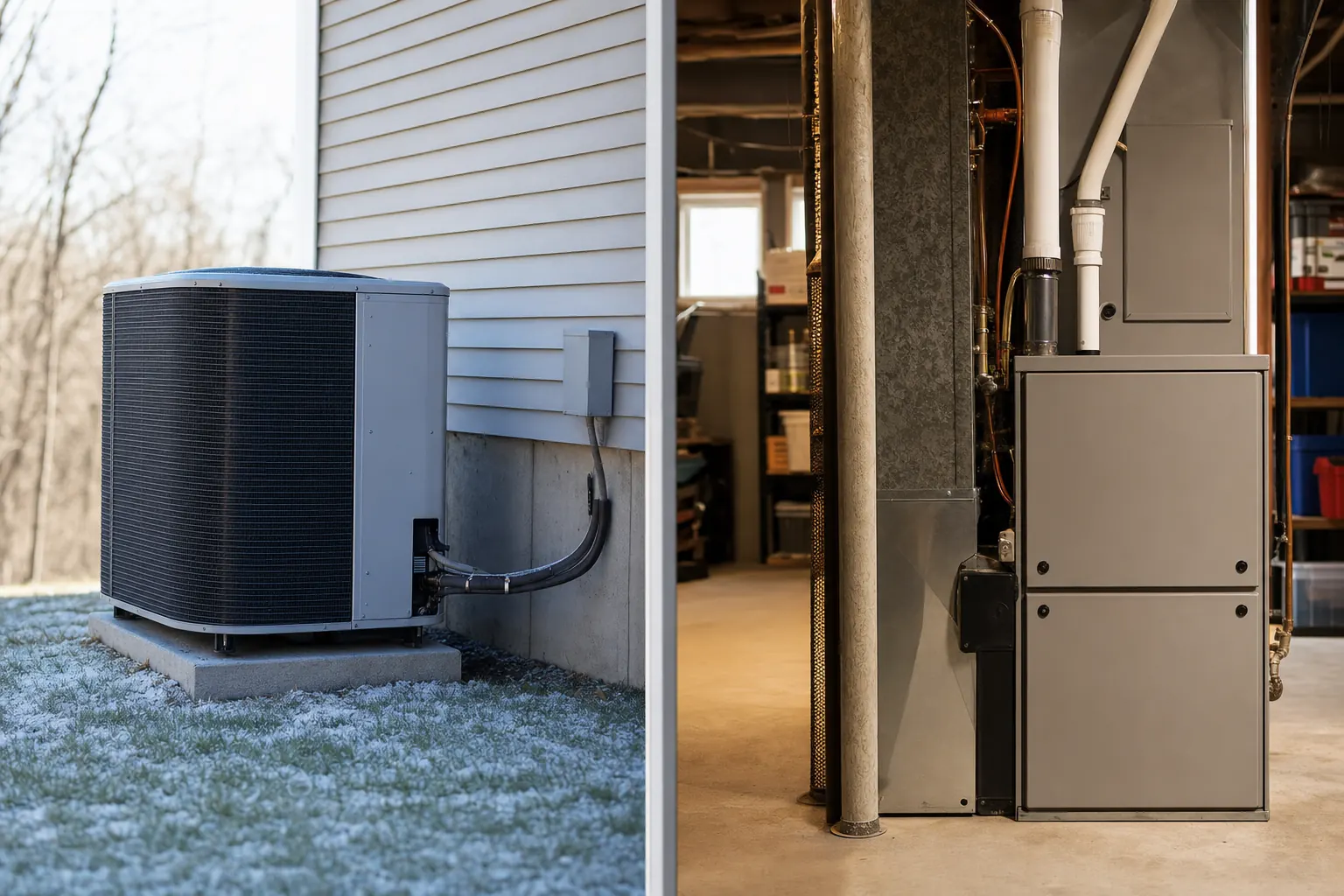
Access and climate matter as much as square footage. An easy backyard condenser and basement air handler are much cheaper to replace than a roof-mounted unit with crane time or an attic air handler reached through a small scuttle. In colder regions, many homeowners are comparing standard heat pumps with cold-climate models that keep more heating capacity near 5°F. Those usually cost more up front, but they may avoid heavy reliance on electric strip heat. Labor pricing also varies by region, so a premium variable-speed replacement in one market can price like a mid-tier job elsewhere.
How to lower the replacement price without buying a bad job
The safest way to lower cost is to simplify scope, not to strip out essentials. If the existing duct system actually tests out well, reusing it is usually far cheaper than replacing it preemptively. If the line set is the correct size, in good condition, and allowed by the manufacturer for the refrigerant being used, reusing it may save meaningful money; if it is not, pushing to reuse it just to cut the quote is false economy. Asking for one good better best proposal on the same brand family can also show what the efficiency jump really costs.
Another money-saving move is to separate must-do corrections from nice-to-have accessories. A condensate safety switch, code-compliant disconnect, permit, commissioning, and proper airflow setup belong in the core quote. Premium smart thermostats, cabinet air cleaners, and cosmetic line-hide pieces may not. If the home can keep the existing gas furnace as backup, ask whether a dual-fuel heat pump replacement makes sense instead of installing large electric strip heat. In some cold markets, that changes both first cost and winter utility costs.
Timing can help too, though no price is guaranteed. Replacing a failing heat pump before a hard breakdown gives more time to compare model numbers, verify rebates, and avoid emergency decisions that narrow your options. Ask for the AHRI certificate, permit status, warranty terms, and any rebate paperwork before signing. Utility and tax-credit eligibility can materially reduce net cost on qualifying high-efficiency heat pump replacements, but the exact amount depends on equipment match, household tax situation, and local program rules rather than the sales pitch.
When paying more now is actually cheaper over 5 to 10 years
Spending more on a heat pump replacement can be the cheaper move if the house uses the system heavily for both heating and cooling. A jump from minimum-efficiency equipment to a well-matched variable-speed system often costs more up front, but the savings can show up in lower electric use, quieter operation, steadier indoor temperatures, and less dependence on resistance backup heat. That matters most in homes where the heat pump runs year-round, not just for summer cooling. The value is stronger when the duct system is decent and the equipment is sized from a load calculation instead of copied from the old unit.
Cold-climate equipment is another case where the higher quote may be rational. A model that holds more capacity at low outdoor temperatures can cost roughly $1,300 to $2,100 more than a comparable standard heat pump replacement, yet it may reduce how often expensive heat strips come on in winter. For a household in a northern climate, that can change monthly bills more than a small SEER2 difference does. The right comparison is not just purchase price; it is purchase price plus likely winter operating cost over several seasons.
The cheaper quote can also become expensive if it leaves old problems untouched. A premium 18+ SEER2 replacement installed on a severely undersized return duct will not deliver what the brochure promises, but neither will a bargain 14. 3 SEER2 system with poor airflow and no commissioning. Paying a bit more for duct corrections, a new line set where required, and proper startup often prevents nuisance lockouts, coil issues, and efficiency complaints. On a heat pump replacement, workmanship and system matching have a bigger long-term cost impact than squeezing the last few hundred dollars out of the bid.
Estimate methodology
How we built these ranges
We develop these ranges from standardized residential project scopes and reviewed pricing inputs, then keep materially different scopes separate instead of presenting one misleading average. Government data supports labor and location adjustments where applicable; it does not publish the final HVAC project range. This page was reviewed on July 22, 2026.
The approved scenario definitions distinguish factors such as capacity (tonnage), efficiency tier (seer2 / hspf2), cold-climate rating, ducted vs ductless. Equipment capacity, model, access, and documented labor and material assumptions define each scope. Unsupported permit, tax, rebate, utility, insurance, financing, and warranty amounts are excluded from the canonical calculation.
Compare written, itemized proposals for the same model numbers and scope. Ask whether diagnosis, labor, refrigerant, permits, disposal, warranty registration, and any required supporting work are included.
Sources and fact-checking
Reviewed July 22, 2026. We favor primary government and standards sources for safety, efficiency, and regulatory claims. These references support only the specific technical, safety, efficiency, regulatory, or consumer-guidance claims described on their cards. They do not establish the displayed price ranges.
Want a real number for your system?
Connect with HVAC professionals that service your area for an accurate, no-obligation estimate.